Greater Israel rhetoric resurfaces as settlement expansion deepens in West Bank
Greater Israel rhetoric has moved from the far right into cabinet-level talk. Settlement expansion and displacement are deepening across the West Bank.
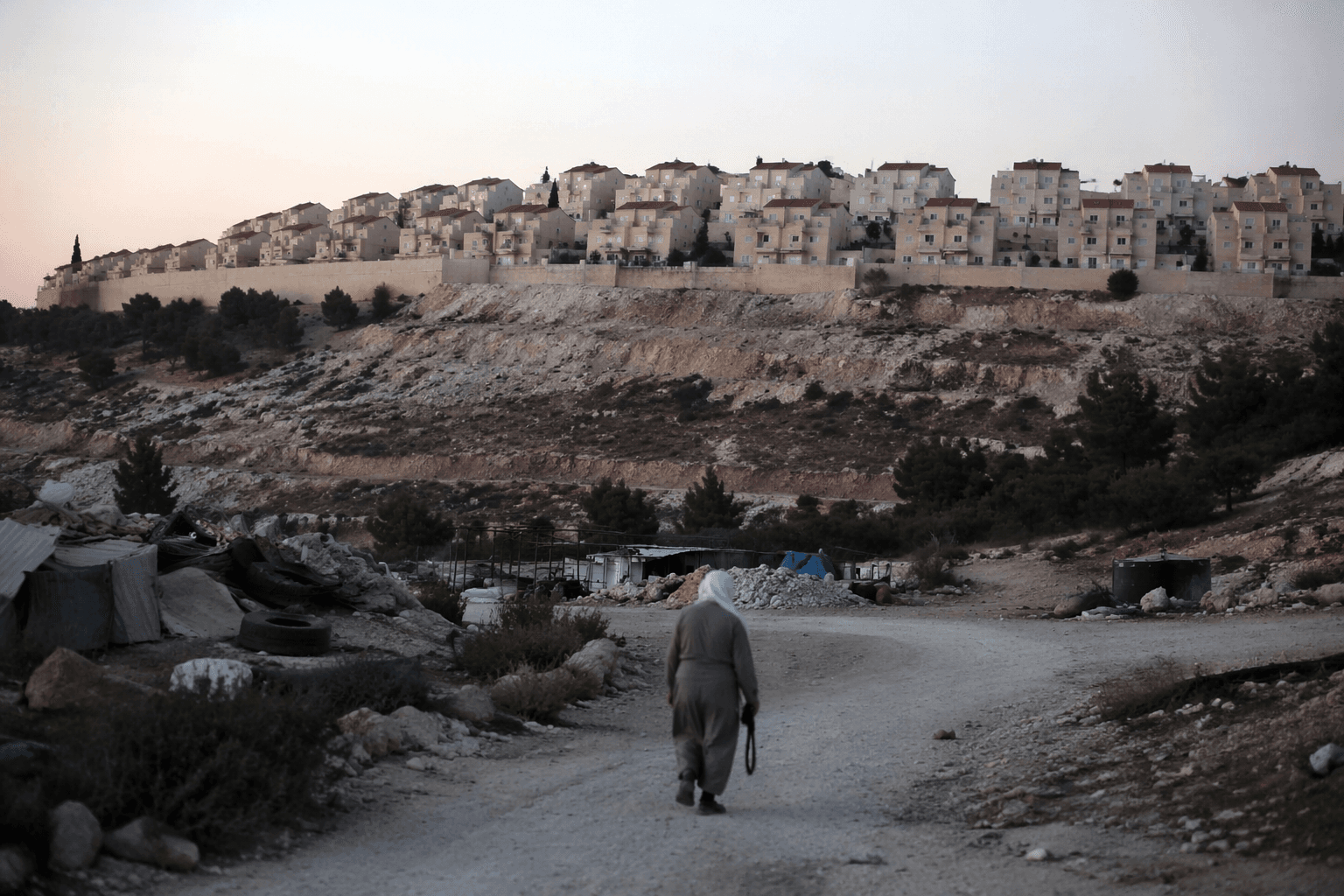
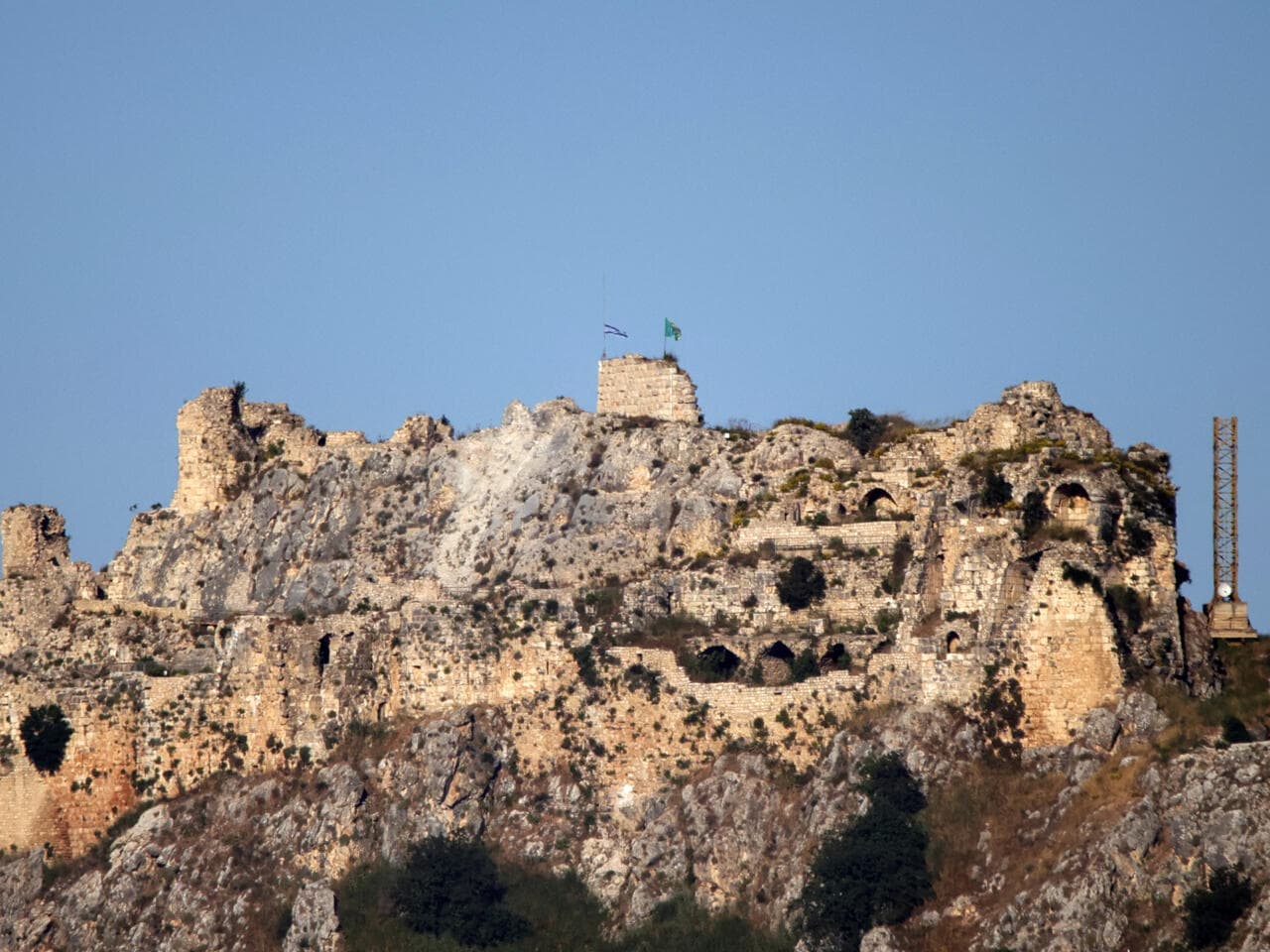
A vision once pushed on Israel’s fringes has moved closer to state power, with senior officials reviving talk of “Greater Israel” even as settlement expansion and displacement accelerate on the ground in the West Bank. The idea, in some versions extending beyond occupied Palestinian territory into parts of Jordan, Lebanon, Syria, Egypt, Iraq and Saudi Arabia, now sits alongside concrete changes in territory, access and control.
Finance Minister Bezalel Smotrich drew criticism in 2024 after a documentary appearance suggesting Israel’s future borders could reach beyond the Jordan River and toward Damascus. Prime Minister Benjamin Netanyahu then stirred fresh controversy in August 2025 when he said he felt “very much” connected to the vision of Greater Israel. Reporting also linked Smotrich to a map that showed Israel including Jordan, a move that prompted diplomatic backlash and underlined how quickly symbolic rhetoric can spill into regional politics.
The shift matters because it is no longer only about language. On 19 July 2024, the International Court of Justice said Israel’s prolonged occupation, settlement and annexation policies in the occupied Palestinian territory, including East Jerusalem, were unlawful and carried legal consequences for Israel and other states. A March 2026 report from the United Nations Human Rights Office said Israel had accelerated unlawful settlement expansion and annexation of large parts of the occupied West Bank, forcibly displacing more than 36,000 Palestinians during the reporting period.
UN humanitarian officials say the pressure is visible across the West Bank. In late 2025, the United Nations Office for the Coordination of Humanitarian Affairs said settler violence and access restrictions had driven displacement across 85 Palestinian communities, with 33 fully emptied of residents over the prior three years. It warned that advancing the E1 settlement plan would effectively split the northern and central West Bank from the south and raise the risk of forced displacement for about 18 Palestinian Bedouin communities.
That combination of ideology and policy alarms neighboring states. The Jordanian government has repeatedly condemned annexation of Palestinian lands, warning since the response to Donald Trump’s 2020 Mideast plan that such moves would be an unacceptable escalation. For Arab capitals and Palestinian officials, the concern is strategic as much as legal: every new settlement tract, access restriction and annexation-like measure narrows the map for a viable Palestinian state and makes future diplomacy harder to rescue.
This article was produced by Prism’s automated news system from verified source data, official records, and press releases, then run through automated quality and moderation checks before publishing. The system is built and supervised by the people who set the standards it runs under. Read our full AI policy.
Know something we missed? Have a correction or additional information?
Submit a Tip