Colombia runoff pits Trump-backed hardliner against Petro ally
Trump-backed Abelardo de la Espriella and Petro ally Iván Cepeda faced a runoff that could reshape Colombia’s security policy and its ties with Washington.
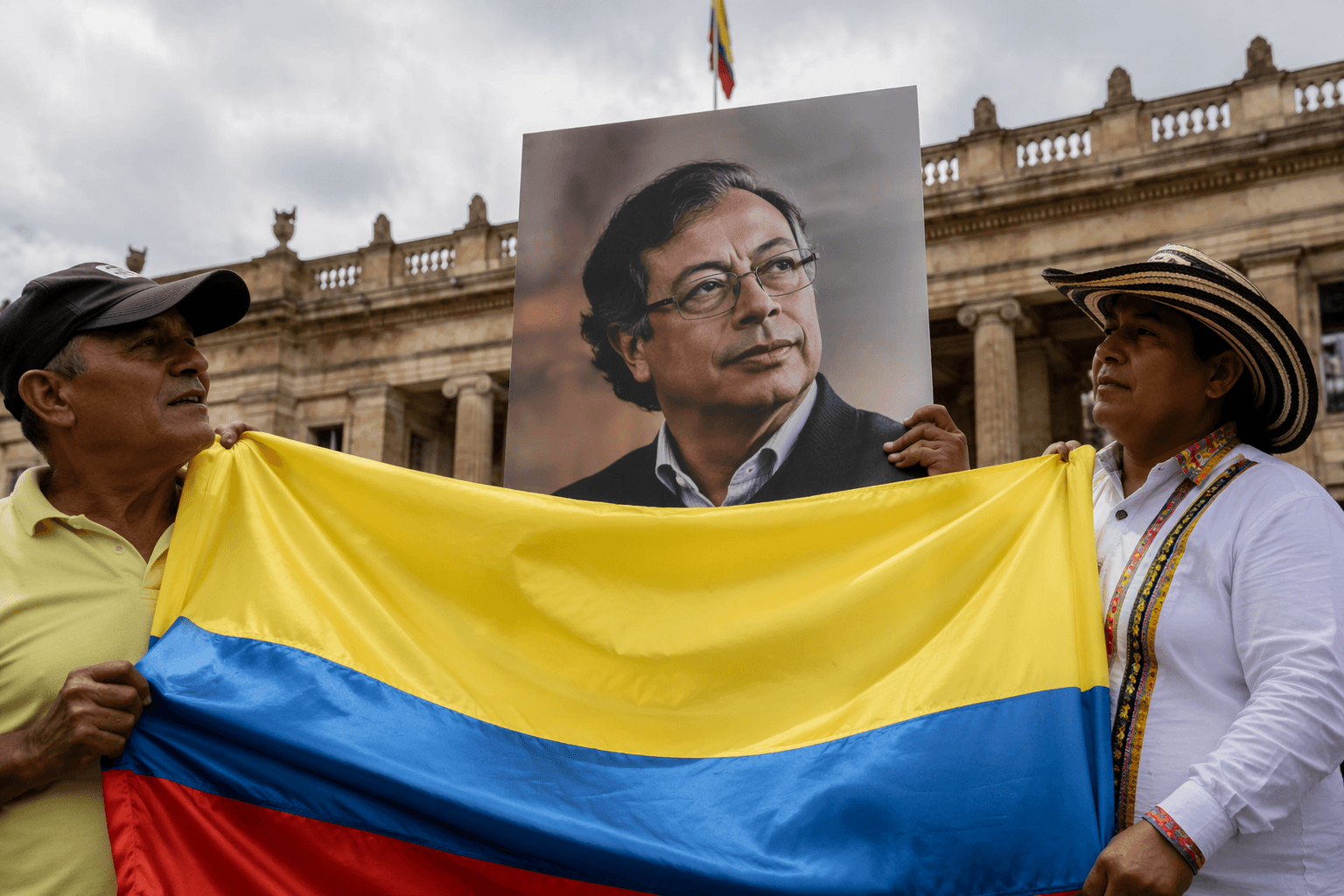
Colombia’s presidential runoff has narrowed to a stark choice between far-right attorney Abelardo de la Espriella and leftist senator Iván Cepeda, a contest that could steer the country’s security strategy, drug policy and relationship with Washington. De la Espriella led the May 31 first round with 43.7 percent of the vote, while Cepeda finished with 40.9 percent, setting up a close race for the June 21 vote.
The stakes are high because President Gustavo Petro, elected in 2022, was barred by the constitution from seeking a second term. Cepeda, 63, has been one of Petro’s closest allies and has promised continuity with the departing leftist government, including deeper social and economic reforms and continued peace talks with armed groups. De la Espriella has campaigned on a harder line, pressing for a security crackdown and more business-friendly policies.
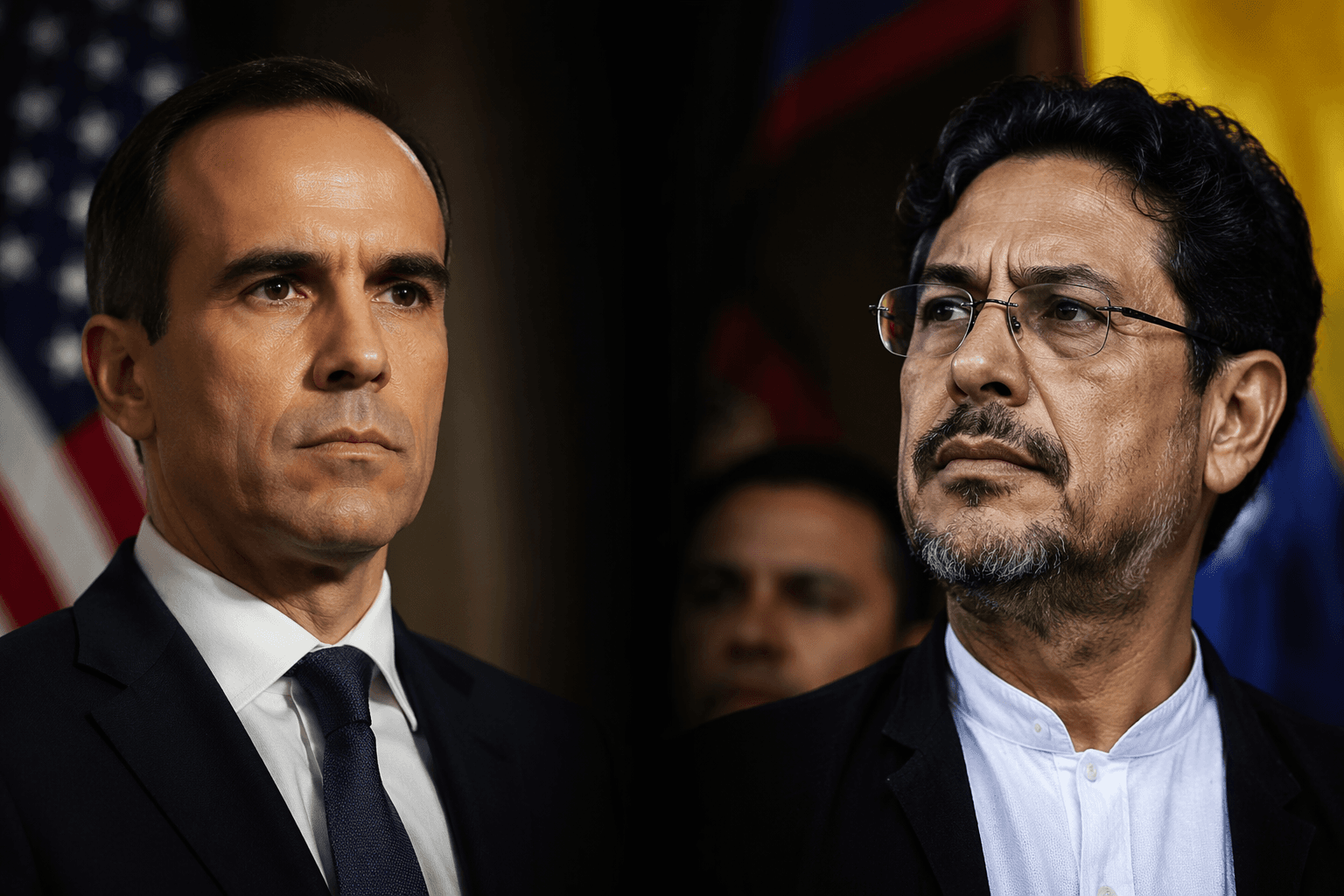
The vote comes as Colombia confronts one of the darkest security environments in decades. More than 10 million people are victims of the harshest acts of violence in the country’s six decades of armed conflict, according to the Associated Press, while armed groups have nearly doubled in size, rising from about 13,000 members in 2022 to 25,000 in the first half of 2026, according to a security report cited by Reuters. Petro’s de-emphasis of coca eradication has also coincided with record cocaine production, feeding criticism that his “total peace” approach allowed illegal armed groups to gain ground.
Whoever wins will enter office on August 7 with limited room to maneuver. Reuters reported that mounting fiscal problems and a divided Congress of Colombia will make it difficult for the next president to pass an ambitious economic agenda, even as voters demand relief on security and the economy. That constraint matters for U.S.-Colombia relations as well, since Colombia remains a major U.S. security partner in Latin America and the outcome is likely to shape Washington’s approach to security, drugs and bilateral cooperation.
Cepeda has said he would accept the runoff result, but he also said he would call peaceful protests if he believes voters’ rights are violated. In a country still defined by conflict and political mistrust, the legitimacy of the result may prove as consequential as the winner himself.
This article was produced by Prism’s automated news system from verified source data, official records, and press releases, then run through automated quality and moderation checks before publishing. The system is built and supervised by the people who set the standards it runs under. Read our full AI policy.
Know something we missed? Have a correction or additional information?
Submit a Tip