U.S. demands Iran prove uranium stockpile is not for weapons
Washington is pressing Tehran to account for 440.9 kilograms of 60 percent enriched uranium as inspectors say they have lost track of Iran’s stockpile after the strikes.

Washington is demanding that Tehran prove a 440.9-kilogram uranium stockpile enriched to 60 percent was never meant for a bomb. That question now sits at the center of a ceasefire framework that ties nuclear limits to sanctions relief, freedom of navigation through the Strait of Hormuz, and the risk of another round of fighting.
Iran says its nuclear program is peaceful and that it has the right under the Nuclear Non-Proliferation Treaty to enrich uranium for civilian use. But 60 percent enrichment is a short technical step from roughly 90 percent weapons-grade material, and the International Atomic Energy Agency has said Iran was the only country to enrich to that level without making an atom bomb. The agency also said it could no longer verify the size, location, or chemical composition of Iran’s enriched uranium stocks after the strikes on Iranian nuclear sites.
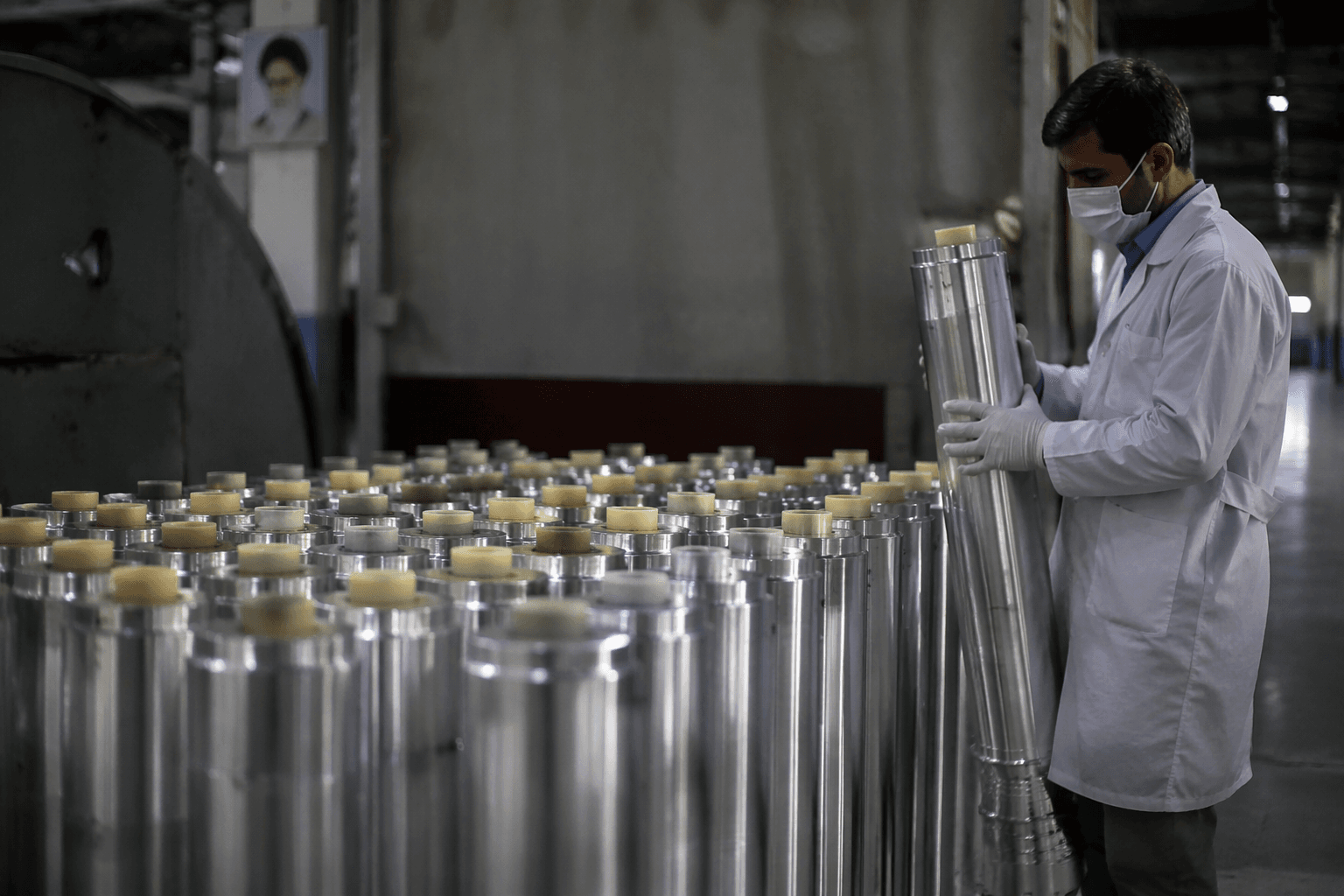
The first unresolved question is how much enrichment Iran will be allowed to keep. The interim arrangement leaves that point vague, and that matters because enrichment level determines how quickly Iran could shorten its breakout time if it chose to move toward weapons-grade uranium. For the United States and its allies, any deal that leaves Iran with a large enrichment capability would preserve the core proliferation risk even if the guns stay quiet.
The second question is what happens to the existing stockpile. The draft arrangement says the material would at minimum be diluted on site under United Nations supervision, while Donald Trump has long pushed for the uranium to be removed from Iran entirely. That difference is not cosmetic. If the stockpile stays inside Iran, even in diluted form, inspectors and sanctions negotiators will still be dealing with a program that can be rebuilt far faster than one stripped of its most sensitive material.
The third question is whether relief from sanctions will come immediately or in phases. The broader framework is meant to end the war, reopen the Strait of Hormuz, and relaunch nuclear talks under a 60-day deadline. That makes sanctions not just a bargaining chip but part of the ceasefire architecture. A phased deal could give inspectors leverage over Tehran; immediate relief could give Iran revenue before the most sensitive nuclear questions are settled.
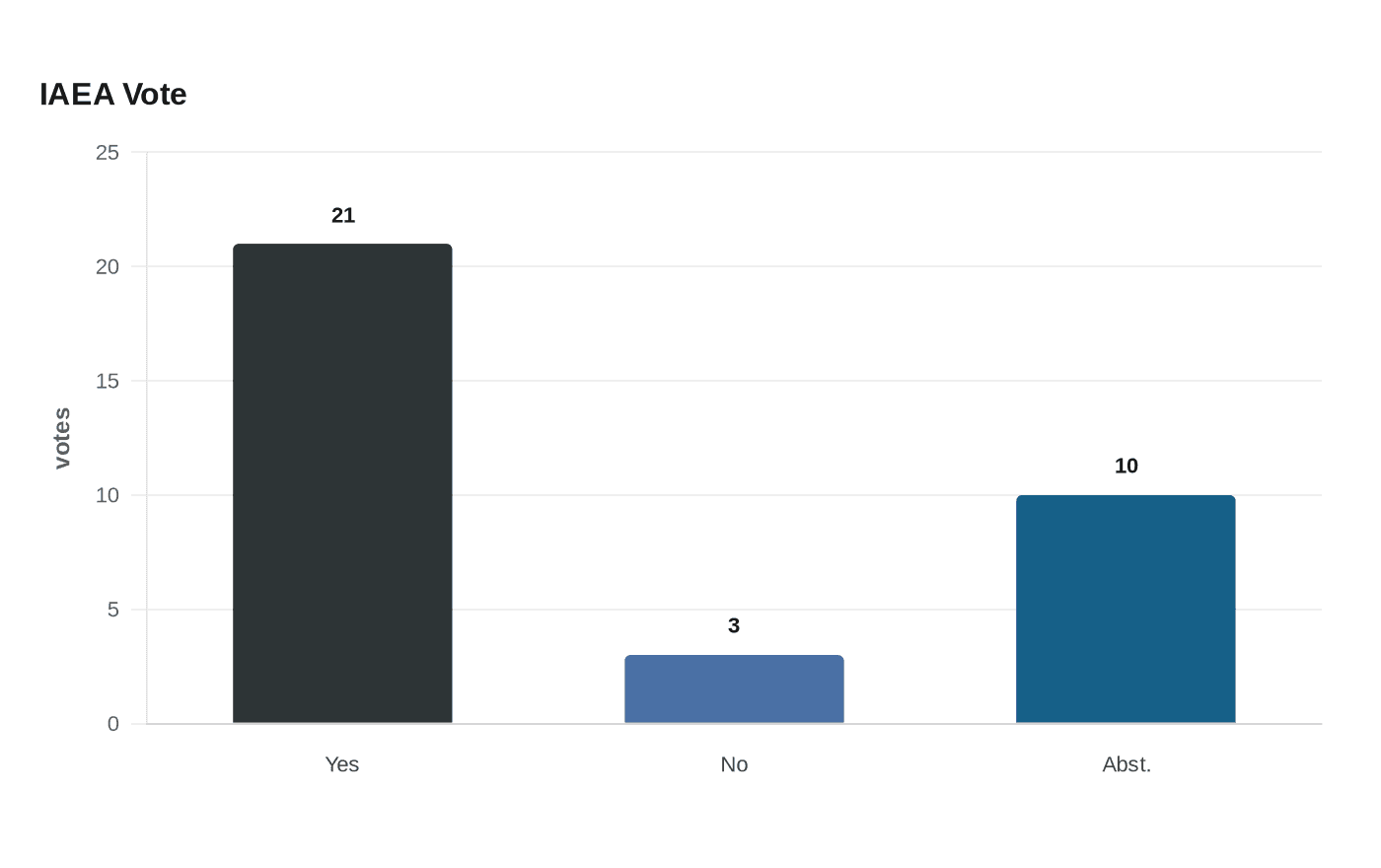
The fourth question is verification. The IAEA says it stopped verification activities in Iran after the February 28 strikes and cannot confirm the fate of the uranium material, the condition of centrifuges, or the status of damaged sites at Isfahan, Natanz, and Fordow. On June 10, the IAEA Board of Governors backed a U.S. resolution by 21 votes to 3, with 10 abstentions, telling Iran to declare its remaining enriched uranium stocks and let inspectors verify them. Russia, China, and Niger voted no. Pakistan is mediating the talks, but without access, accounting, and monitoring, the agreement risks becoming another temporary pause rather than a durable settlement.
This article was produced by Prism’s automated news system from verified source data, official records, and press releases, then run through automated quality and moderation checks before publishing. The system is built and supervised by the people who set the standards it runs under. Read our full AI policy.
Know something we missed? Have a correction or additional information?
Submit a Tip