Israel orders military restraint in Lebanon as fragile ceasefire holds
Israel limited its Lebanon offensive as a ceasefire took hold, even after strikes killed at least 20 people and Katz kept troops free to act.
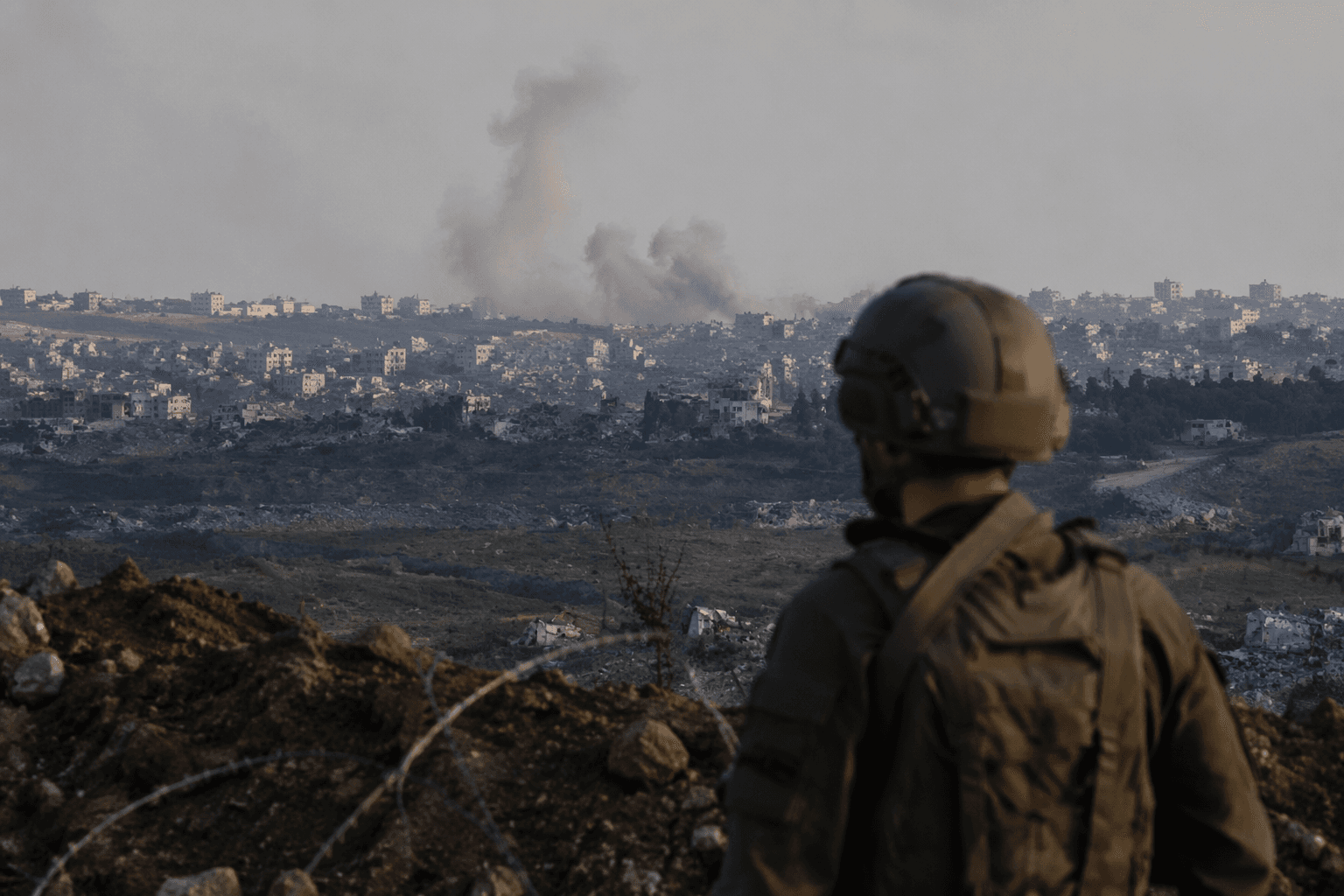
Israel moved to narrow its military role in Lebanon even as the border remained volatile, with the ceasefire showing signs of strain almost immediately. On Sunday, Israel Katz said Israeli soldiers in Lebanon were free to act without restriction to eliminate threats, while also saying troops remained in position inside what Israel calls a security zone.
The latest restraint came after a ceasefire with Hezbollah took effect on Friday, June 19, following months of escalating violence. The truce was tested a day later when Israeli strikes killed at least 20 people in Lebanon, according to Lebanon’s state news agency. That violence reinforced how thin the calm remained, even as the fighting between Israel and the Iran-backed group appeared to ease on Sunday.
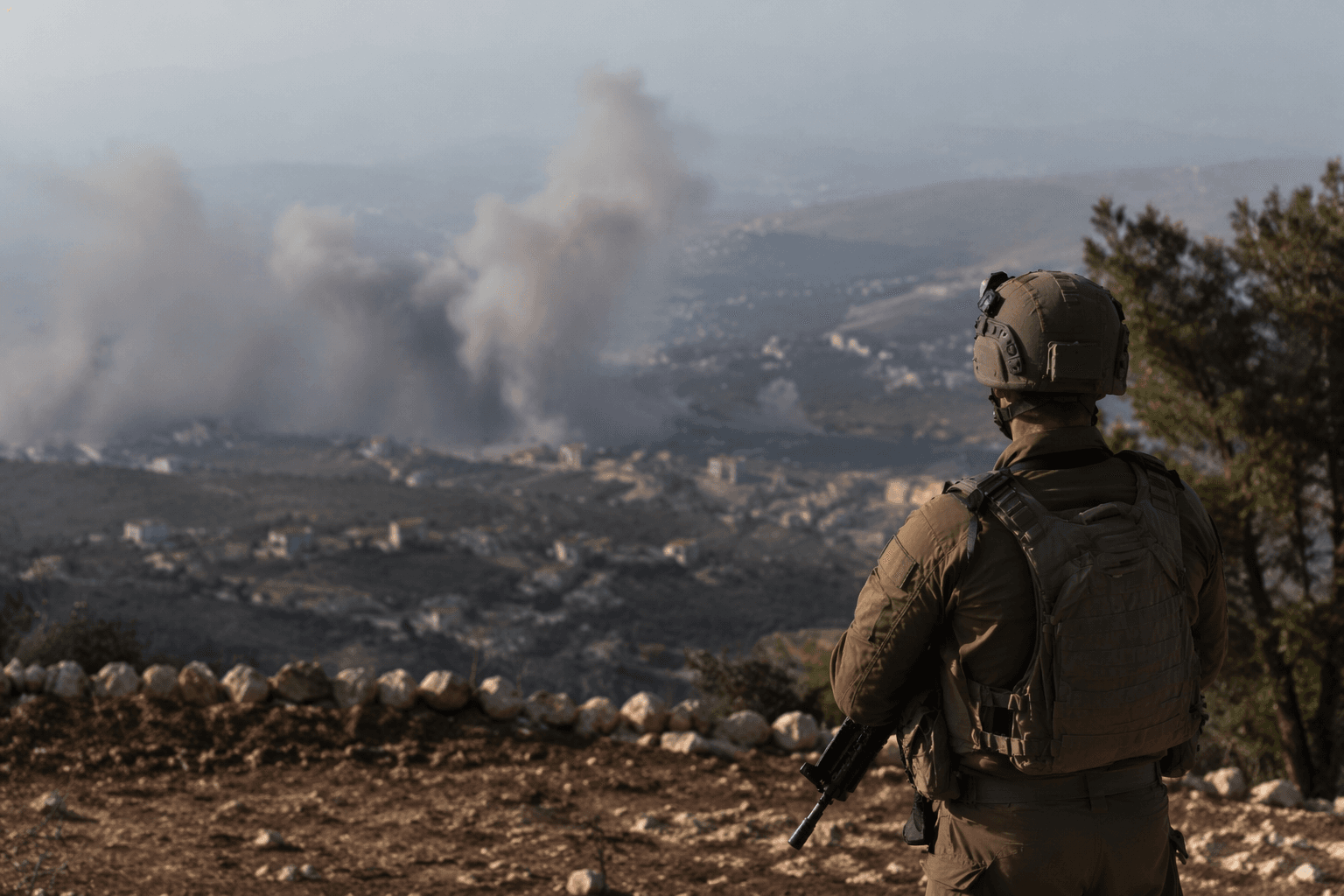
The diplomatic framework behind the pause was built in Washington-led talks on June 2 and 3, when the United States convened the fourth high-level trilateral meeting between Israeli and Lebanese representatives. The joint statement said the ceasefire was contingent on a complete cessation of Hizbollah fire and the evacuation of all Hizbollah operatives from the South Litani Sector. It also called for “pilot” security zones inside Lebanon, where the Lebanese Armed Forces would take exclusive control, a setup meant to reduce Hezbollah’s presence near the frontier.
That arrangement was designed to answer pressures on both sides. Israel had just suffered the loss of four soldiers in southern Lebanon, sharpening demands for a tougher military response, while Hezbollah rejected the June ceasefire plan as a “roadmap” for its own destruction. Israel initially said it would continue operations in Lebanon and would not withdraw from the south, underscoring how limited the commitment to restraint remained even after the diplomatic breakthrough.
The present pause also sat on top of an older, weaker truce. A ceasefire agreement between Israel and Lebanon signed on November 27, 2024, said Israel would not carry out offensive military operations in Lebanon by land, air or sea, and Lebanon would prevent Hezbollah and other armed groups from attacking Israel. Yet violations and cross-border fire kept the conflict alive. United Nations experts later warned that continuing Israeli air and drone strikes in Lebanon were causing devastating harm to civilians and called for accountability, a reminder that the border can still ignite if either side decides the rules no longer serve its security.
This article was produced by Prism’s automated news system from verified source data, official records, and press releases, then run through automated quality and moderation checks before publishing. The system is built and supervised by the people who set the standards it runs under. Read our full AI policy.
Know something we missed? Have a correction or additional information?
Submit a Tip