Vance courts Iran in Switzerland as Trump threatens renewed strikes
Vance promised a “new leaf” in Switzerland as Trump warned Iran of new strikes, exposing a split that could shake the talks.
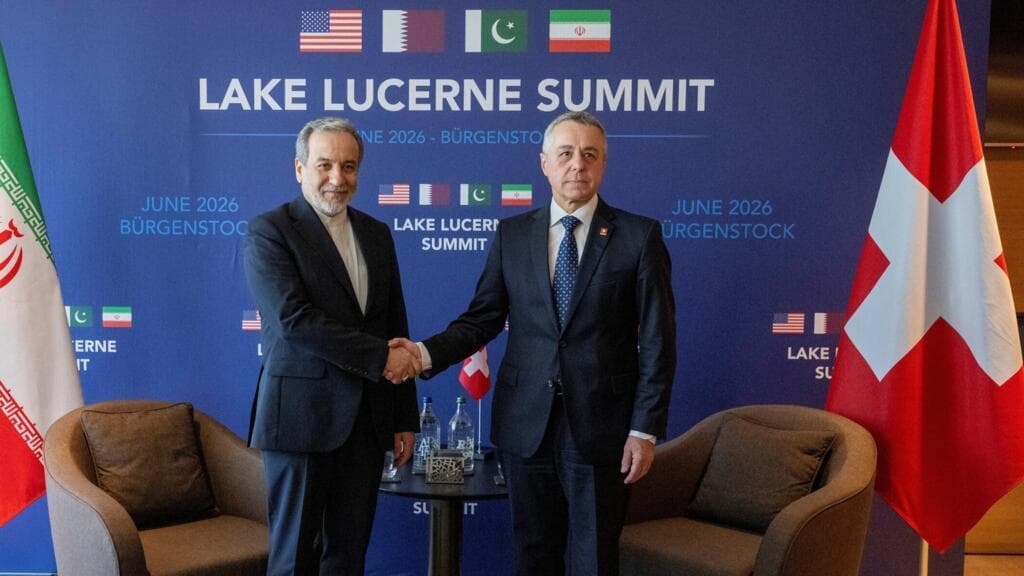
JD Vance opened nuclear talks with Iran in the Swiss Alps by promising to “turn over a new leaf,” but Donald Trump undercut that outreach with a threat to strike Iran again unless it stopped its proxies in Lebanon. The split message hung over the negotiations at the Bürgenstock resort near Lake Lucerne, where U.S. and Iranian officials were trying to preserve a fragile interim deal under a 60-day timetable.
Vance said the talks were meant to extend an “outstretched hand” to the people of Iran and transform the relationship between Washington and Tehran if Iran gave up regional destabilization and long-term nuclear weapons ambitions. He met with Iranian parliamentary speaker Mohammad Bagher Qalibaf and Foreign Minister Abbas Araghchi, with mediators from Pakistan and Qatar in the room as the two sides tried to work through the technical details of the agreement.
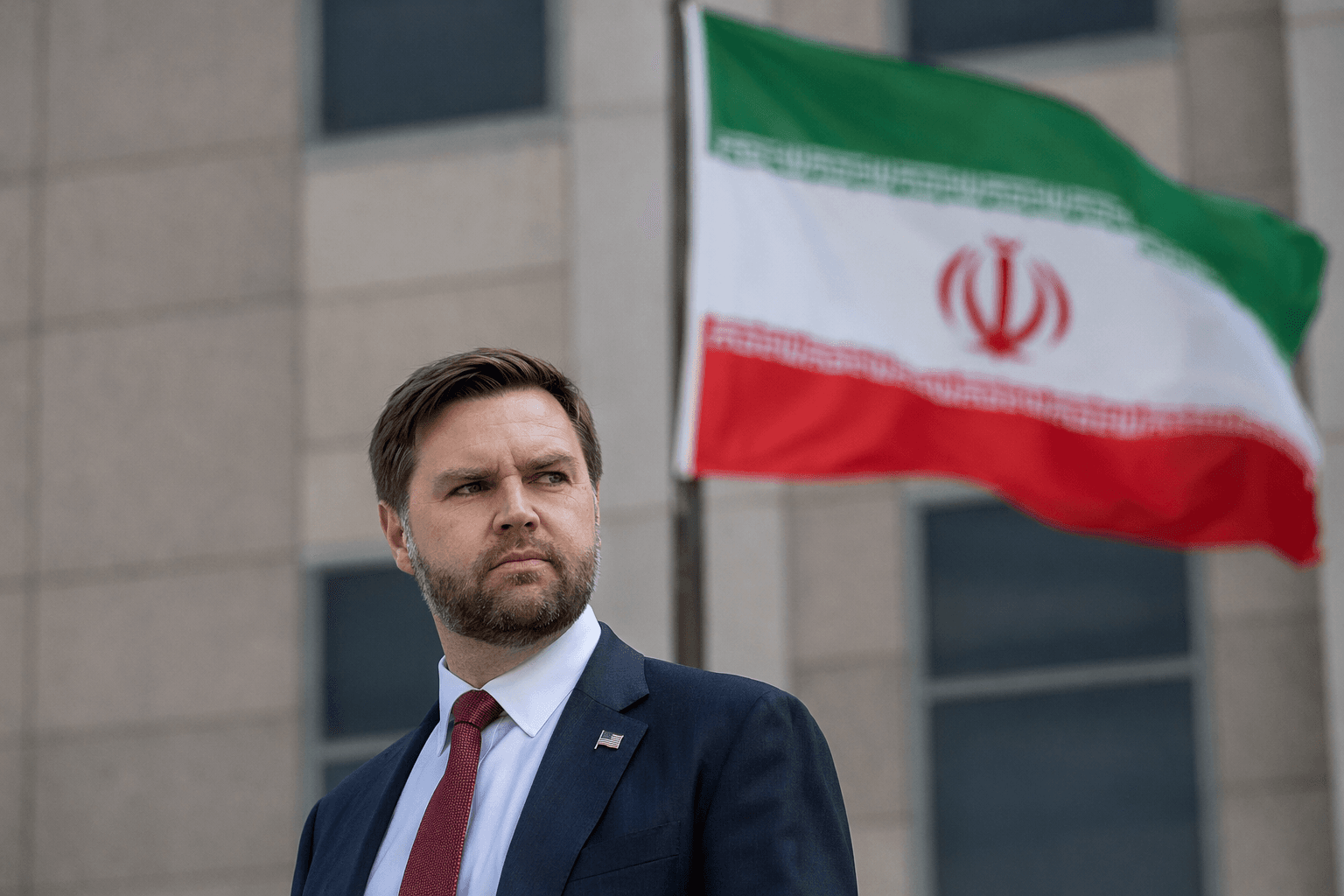
The talks were already under immediate pressure. Iran said it had again closed the Strait of Hormuz, a critical shipping lane that carries a large share of the world’s oil, while U.S. officials disputed that claim and said merchant traffic was still moving through the strait. The interim deal was meant to end the war in Iran and keep the waterway open, making the status of the strait a central test of whether the accord could hold.
Fighting in Lebanon between Israel and Hezbollah added another layer of strain. Tehran said it would not discuss nuclear issues because Washington had failed to halt the fighting there, turning the Lebanon front into a bargaining chip inside the broader diplomatic effort. That made the Swiss talks less like a reset than a high-wire exercise, with each battlefield development threatening to spill back into the negotiations.
Trump’s warning on Truth Social sharpened that tension. As Vance was presenting diplomacy in Switzerland, Trump threatened to strike Iran again unless it immediately stopped its proxies in Lebanon. The contrast gave Tehran reason to doubt how much room Vance actually had to negotiate, and it raised questions among allies watching whether Washington was offering a durable opening or merely a pause between threats.
The current framework was signed the previous week after months of strikes and ceasefire efforts, but the Switzerland meeting showed how fragile it remained. With the Strait of Hormuz dispute and the Lebanon war pressing on the talks from both sides, the real test was not only whether Iran would bargain, but whether the U.S. could keep its own signals aligned long enough to make a deal worth trusting.
This article was produced by Prism’s automated news system from verified source data, official records, and press releases, then run through automated quality and moderation checks before publishing. The system is built and supervised by the people who set the standards it runs under. Read our full AI policy.
Know something we missed? Have a correction or additional information?
Submit a Tip