Trump threats to Iran cast shadow over Swiss peace talks
Trump's threat to 'hit Iran very hard again' jarred Swiss peace talks just as JD Vance met Iranian officials near Lucerne. The clash raised the risk to Hormuz, through which about one-fifth of global oil flows pass.

Donald Trump’s threat to restart war with Iran cast an immediate shadow over Swiss peace talks that were meant to steady the crisis, not widen it. As Vice President JD Vance met Iranian officials at the Bürgenstock resort near Lucerne, the administration sent a second signal from Washington: a warning that the White House could “hit Iran very hard again” unless Tehran stopped its proxies in Lebanon. That split-screen message put the Strait of Hormuz back at the center of the confrontation, with about one-fifth of global oil flows at stake.
The Swiss meeting brought together a U.S. delegation led by Vance and an Iranian delegation led by Parliament Speaker Mohammad Bagher Ghalibaf, with mediators from Pakistan and Qatar in the room. The talks were framed as a rare face-to-face encounter between U.S. and Iranian officials and as part of a 60-day sprint on Iran’s nuclear program, while an emergency session on Lebanon was added because the fighting there threatened the interim peace arrangement. Vance said in Switzerland that he hoped Washington and Tehran would “turn over a new leaf” in their relationship.
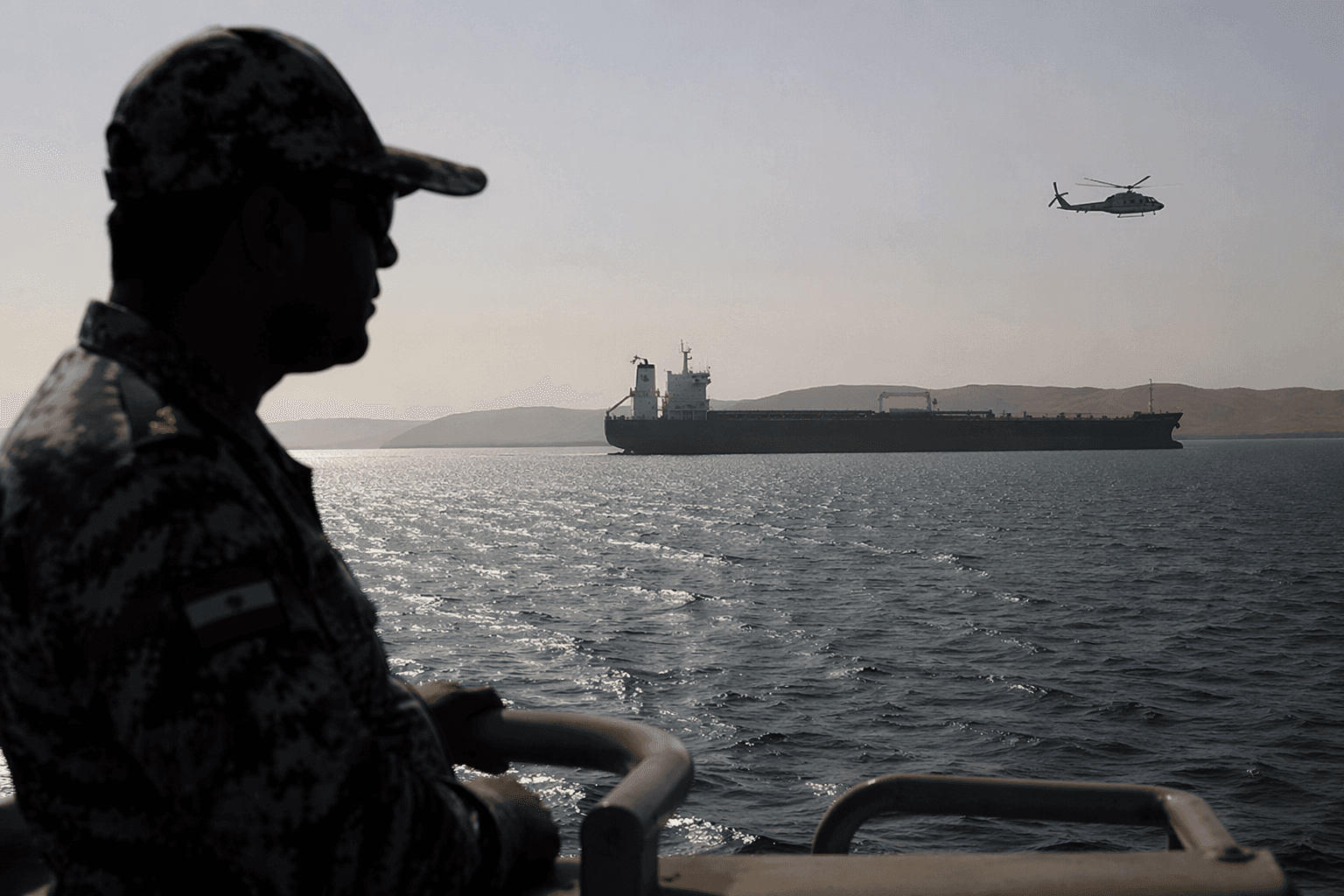
Instead, the opening hours were tense. Reuters and the Associated Press reported that Trump’s comments offended Tehran and helped sour the start of the discussions. Bloomberg said Iran’s semi-official Fars News Agency claimed the talks were halted after Trump’s threat, a sign of how quickly the diplomatic track was being overtaken by public escalation. The White House had already been warned by the market logic of the Gulf: when Hormuz is threatened, oil traders, shippers and insurers immediately price in the risk that diplomacy will fail.
Even so, commercial traffic through the strait continued. U.S. Central Command said the waterway was not actually closed, despite Iranian claims, and Reuters reported that three Indian-flagged tankers carrying more than 860,000 metric tons of oil and 94 Indian crew members safely transited Hormuz on Saturday, June 20. Reuters also said confidence among shippers in resuming normal transit could take weeks to rebuild, underscoring how quickly rhetoric can damage trade even when the passage remains open.
The result was a familiar Gulf pattern: pressure on shipping, threats of force, and hurried diplomacy unfolding at the same time. In Switzerland, the administration’s message looked less like a single strategy than a contest between coercive diplomacy and strategic confusion, with the fate of oil flows and the wider regional balance hanging in the middle.
This article was produced by Prism’s automated news system from verified source data, official records, and press releases, then run through automated quality and moderation checks before publishing. The system is built and supervised by the people who set the standards it runs under. Read our full AI policy.
Know something we missed? Have a correction or additional information?
Submit a Tip