Great white sharks vanished from False Bay, study links cascading effects
Great whites vanished from False Bay by mid-2018, and a 2025 study says the loss rippled through seals, sevengill sharks and prey species.
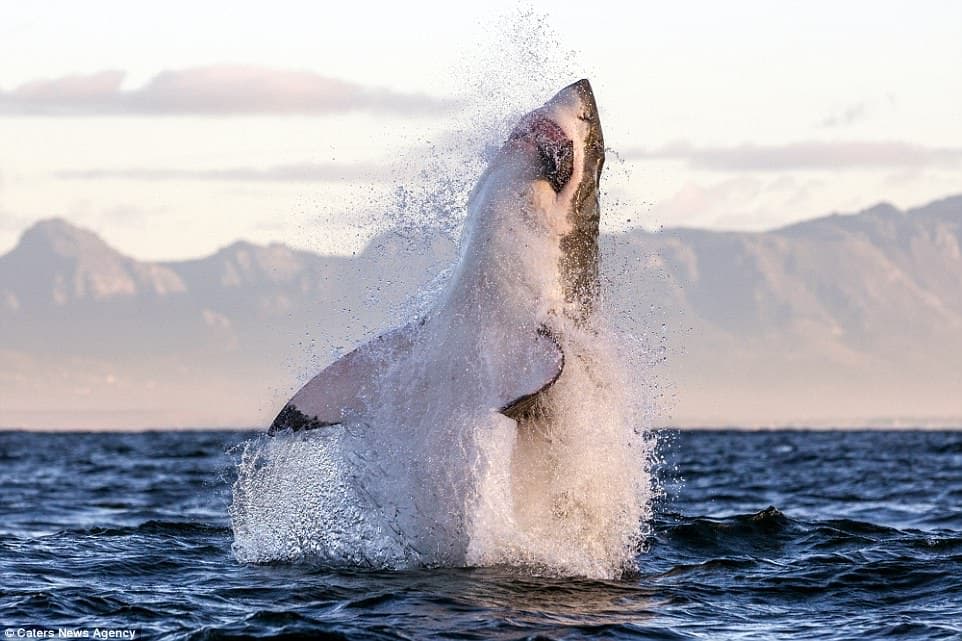
Great white sharks disappeared from False Bay by mid-2018, ending a run that made Seal Island near Cape Town one of the world’s most watched shark sites. The empty water is now more than a tourism shock: it has become a scientific mystery with economic and ecological stakes for South Africa and beyond.
A 2025 study in Frontiers in Marine Science found that the bay changed after the sharks left. Using long-term monitoring and comparing 2000-2015 with 2016-2020, Neil Hammerschlag, Yakira Herskowitz and Thiago B. Couto found increases in Cape fur seals and sevengill sharks, alongside declines in smaller fish and smaller sharks those species feed on. The pattern pointed to a trophic cascade, meaning the loss of an apex predator altered the rest of the marine food web.
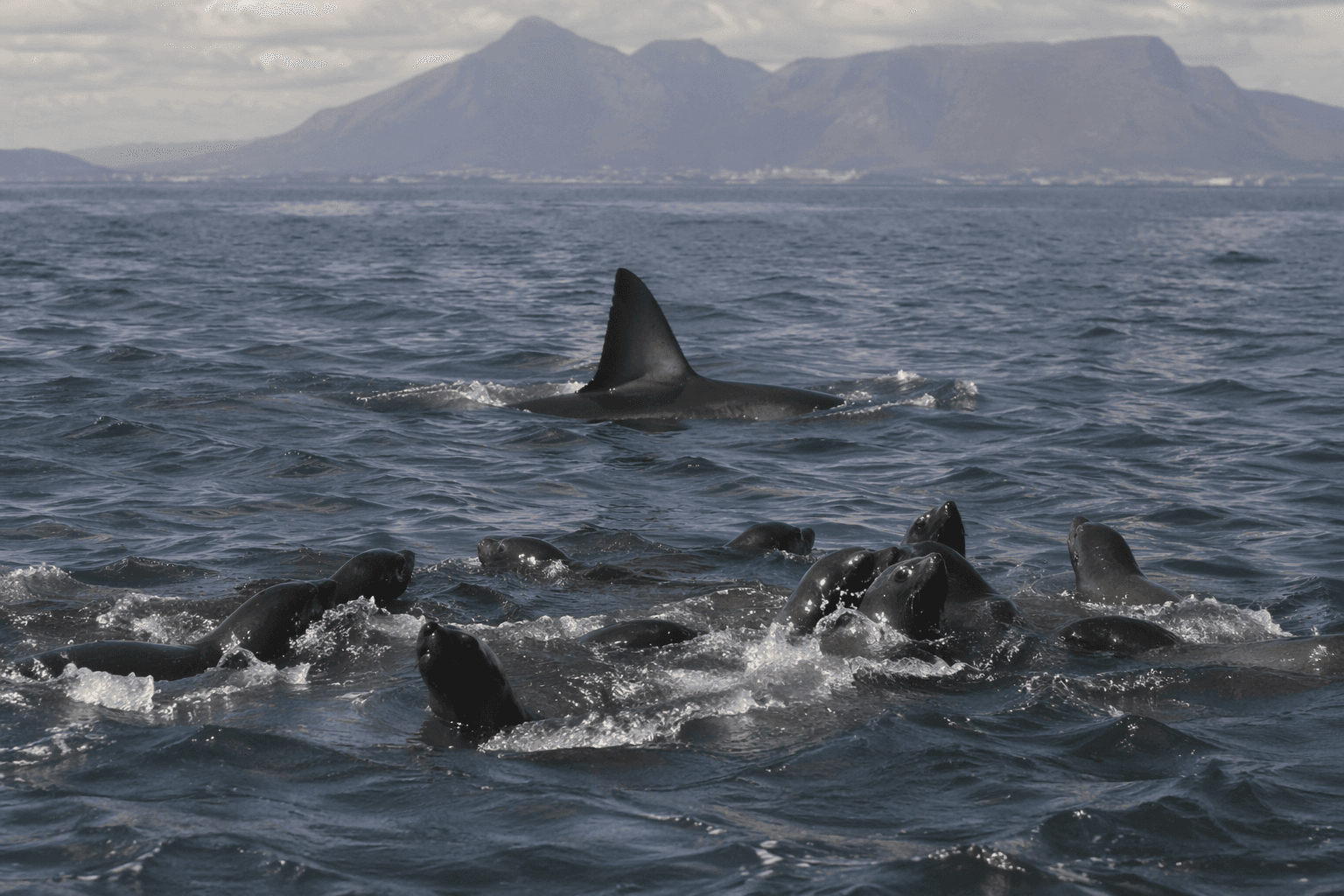
That change matters because False Bay was not an isolated viewing platform. For years, Seal Island drew attention for dramatic breaching behavior, and the wider Western Cape coast helped define South Africa’s global reputation as a great white destination. Chris Fallows and other shark observers had long treated the bay as a living laboratory for predator behavior; by the time the sharks were gone, that laboratory had gone silent.
The central dispute is over why the sharks left. One explanation holds that fear of orcas drove them away. That theory gained force after researchers documented predator-prey encounters off South Africa and linked two individually identified killer whales, Port and Starboard, to attacks on great white sharks. Another explanation points to human pressure: non-selective fishing, shifting ocean temperatures and prey moving along the Western Cape coast may have made False Bay less viable even before the predators arrived.
The stakes extend far beyond one bay. South Africa became the first country in the world to legally protect great white sharks in 1991, and one recent estimate put the species’ conservation and tourism value in the country at about $240 million over 30 years. Yet some researchers now place the remaining South African white shark population at only 500 to 1,000 animals, a level they say may be too small to sustain a healthy future.
For conservation policy, the lesson is blunt. If orcas drove the exodus, the response demands sharper tracking of predator interactions and a better understanding of how top predators move through South African waters. If human pressure weakened the population first, the response must confront fishing practices, warming seas and prey disruption across the Western Cape. Either way, the disappearance of great whites from False Bay has already shown how quickly a single missing predator can reshape an entire marine system.
This article was produced by Prism’s automated news system from verified source data, official records, and press releases, then run through automated quality and moderation checks before publishing. The system is built and supervised by the people who set the standards it runs under. Read our full AI policy.
Know something we missed? Have a correction or additional information?
Submit a Tip