US and Iran hold tense nuclear talks in Switzerland
US and Iranian officials talked through the night in Switzerland, testing whether a fragile interim deal can survive Lebanon’s fighting and pressure over the Strait of Hormuz.
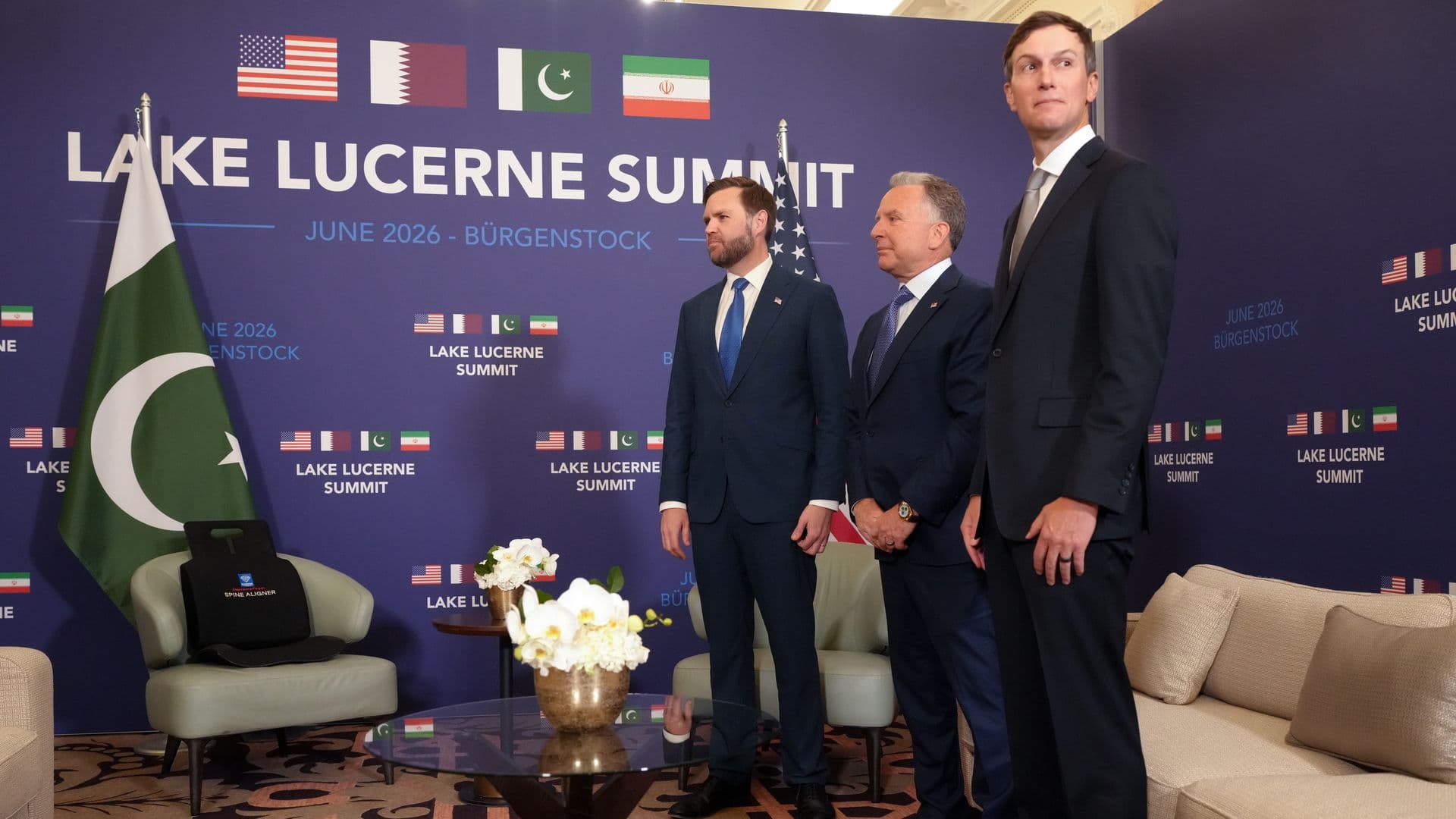
Direct US-Iran contact mattered because it put adversaries in the same room after years of proxy escalation, failed diplomacy and repeated warnings traded from afar. At the Bürgenstock resort above Lake Lucerne, negotiators began a tense first round on Sunday, June 21, 2026, and were expected to continue through the night, with technical follow-up talks set to dig into the details that could determine whether the fragile opening holds.
Vice President JD Vance led the US delegation, and reports said Jared Kushner and Steve Witkoff were also part of the American team. On Iran’s side, Foreign Minister Abbas Araghchi and parliamentary speaker Mohammad Bagher Ghalibaf were among the key figures involved. The meeting followed an interim agreement reached the previous week, but the talks were still under pressure from President Donald Trump’s public threats toward Iran and Tehran’s warnings that it would respond to any US or Israeli pressure.
The agenda went beyond the nuclear file itself. The talks centered on Iran’s nuclear program and the implementation of the interim deal, with the Strait of Hormuz and the Lebanon ceasefire also high on the list. A diplomat cited in reporting on the discussions said the parties had been trying to clarify confusing Iranian messaging on the strait and build deconfliction mechanisms to keep it fully open, underscoring how much depended on practical enforcement rather than broad promises.
That need for a mechanism was sharpened by the fighting in Lebanon between Israel and Hezbollah, which was not a party to the agreement but was still shaping the talks. The United States and Iran were using Qatar and Pakistan as intermediaries, a sign that even these direct negotiations still relied heavily on third-party diplomacy to move messages, temper threats and keep channels open. With Lebanon unstable and the Strait of Hormuz central to regional security, the talks in Switzerland faced a narrow path: translate direct contact into restraint, or watch the region’s flashpoints overwhelm the most serious US-Iran diplomacy in years.
This article was produced by Prism’s automated news system from verified source data, official records, and press releases, then run through automated quality and moderation checks before publishing. The system is built and supervised by the people who set the standards it runs under. Read our full AI policy.
Know something we missed? Have a correction or additional information?
Submit a Tip