Thousands protest Prague plan to overhaul public broadcaster funding
Thousands rallied in Prague against a plan to end licence fees and shift Czech Television and Czech Radio onto the state budget, warning of political pressure and cuts.
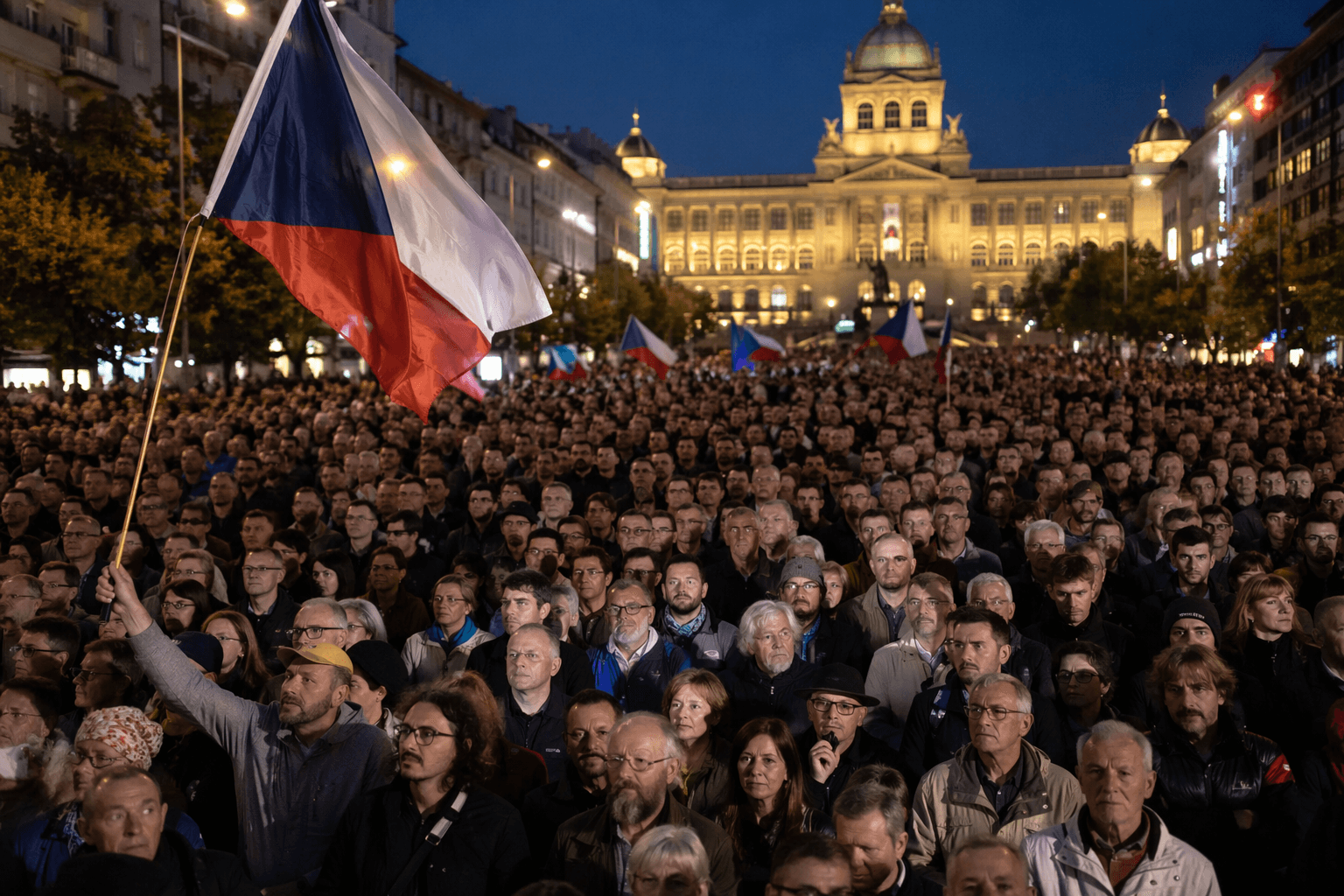
Thousands of people filled central Prague on Sunday to protest a government plan to overhaul funding for Czech public broadcasters, a move critics say could make the country’s most trusted news institutions more vulnerable to political pressure. The crowd gathered in front of Czech public television offices and backed the broadcasters a day before staff were due to stage a warning strike.
The government approved the bill on June 15, and the reform would end the licence-fee model and move Czech Television and Czech Radio onto direct state-budget funding starting next year. The change is expected to cut the broadcasters’ combined funding by about CZK 1.4 billion, or roughly 15 percent, a scale both institutions say could force reduced production and hundreds of job losses. Reuters reported proposed annual state funding of 5.74 billion crowns for Czech Television and 2.065 billion crowns for Czech Radio, based on their 2024 budgets.
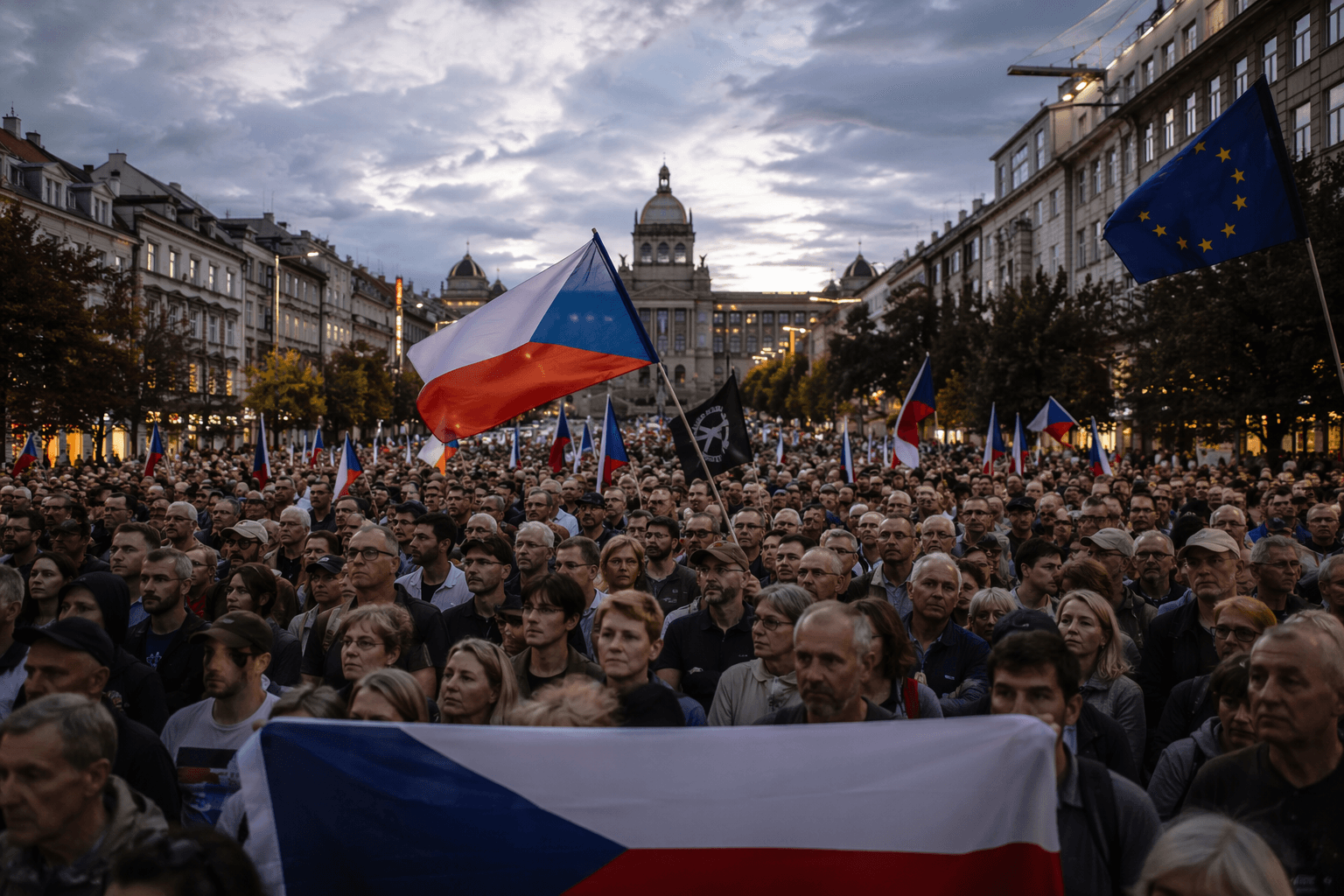
Workers at the two broadcasters announced a one-day warning strike for Monday, June 22. Organizers said the action would be visible across both outlets but would not take them off air, and Reuters reported that hundreds of employees were expected to take part. The protest in Prague followed earlier marches in regional capitals and in the city itself, signaling a widening campaign rather than a single weekend demonstration.
At the center of the dispute is control over money, and by extension editorial independence. Public broadcasters are expected to cover elections, corruption and government policy without fear of retaliation, which is why any shift that gives ministers more leverage over budgets draws immediate suspicion. Opponents of the Czech plan argue that direct financing from the state budget could give the government a more effective way to squeeze newsrooms, hiring and programming, even without changing formal editorial rules.
The backlash has also spilled beyond the street. The European Broadcasting Union warned in March 2026 that the funding proposals could undermine the financial sustainability and independence of Czech public broadcasters. On April 14, the Council of Europe media-freedom alert system said the draft law would change the funding model of Czech Television and Czech Radio and raised concerns about independence and compatibility with EU law. For critics, the Prague protest was a warning that this fight is about more than accounting. It is about whether a government can redraw the financial architecture of public media without weakening the distance between power and the newsroom.
This article was produced by Prism’s automated news system from verified source data, official records, and press releases, then run through automated quality and moderation checks before publishing. The system is built and supervised by the people who set the standards it runs under. Read our full AI policy.
Know something we missed? Have a correction or additional information?
Submit a Tip