Colonial Americans ate terrapin and Parmesan ice cream, if they were rich
Revolutionary America’s table was split by class and power, with elite diners eating seafood, ice cream, and imported-style dishes while soldiers lived on rationed staples.
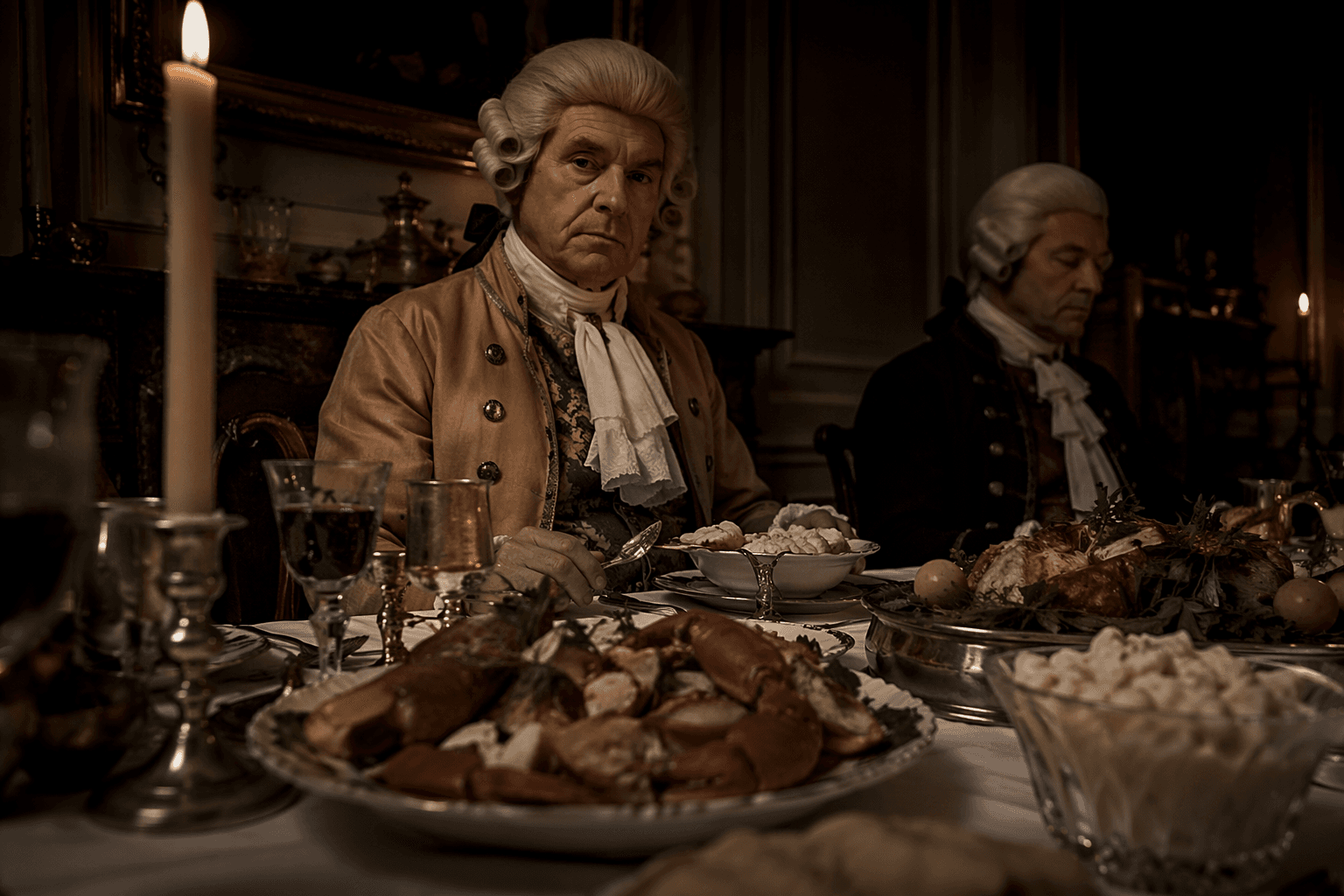
In 1776, Philadelphia's taverns, coffeehouses, and private dining rooms served very different menus: terrapin and Parmesan ice cream for the wealthy, plain preserved foods and ration fare for everyone else. The capital of the new republic already had a food culture that revealed who had power and who did not.
A founding era built on local eating
Walter Staib described the founders as some of America’s earliest foodies, but the term only makes sense if it is stripped of modern abundance. Colonial America had little transportation infrastructure, so most people ate what was local, foraged, or hunted. That meant food in the mid-Atlantic was shaped by season, geography, and access, not by a national market that could move strawberries, citrus, and spices across the continent in a day.
Seafood held particular prestige in the region. George Washington was notably fond of it, and Mount Vernon’s fisheries processed more than one million fish a year for nearly 40 years. Even in an economy without refrigeration or modern shipping, elite households could build food systems around abundant local waters and organized labor, while less privileged families depended on whatever could be gathered nearby.
How French taste reshaped elite tables
Thomas Jefferson brought another kind of appetite to the founding era, one shaped by his time in France and northern Italy. His European experience gave him a lasting taste for French-inspired luxury dining, and he helped make dishes such as macaroni and cheese, frites, champagne, and ice cream fashionable in elite American circles. James Hemings, Jefferson’s enslaved chef, trained in France and helped carry those tastes back into Jefferson’s kitchen at Monticello.
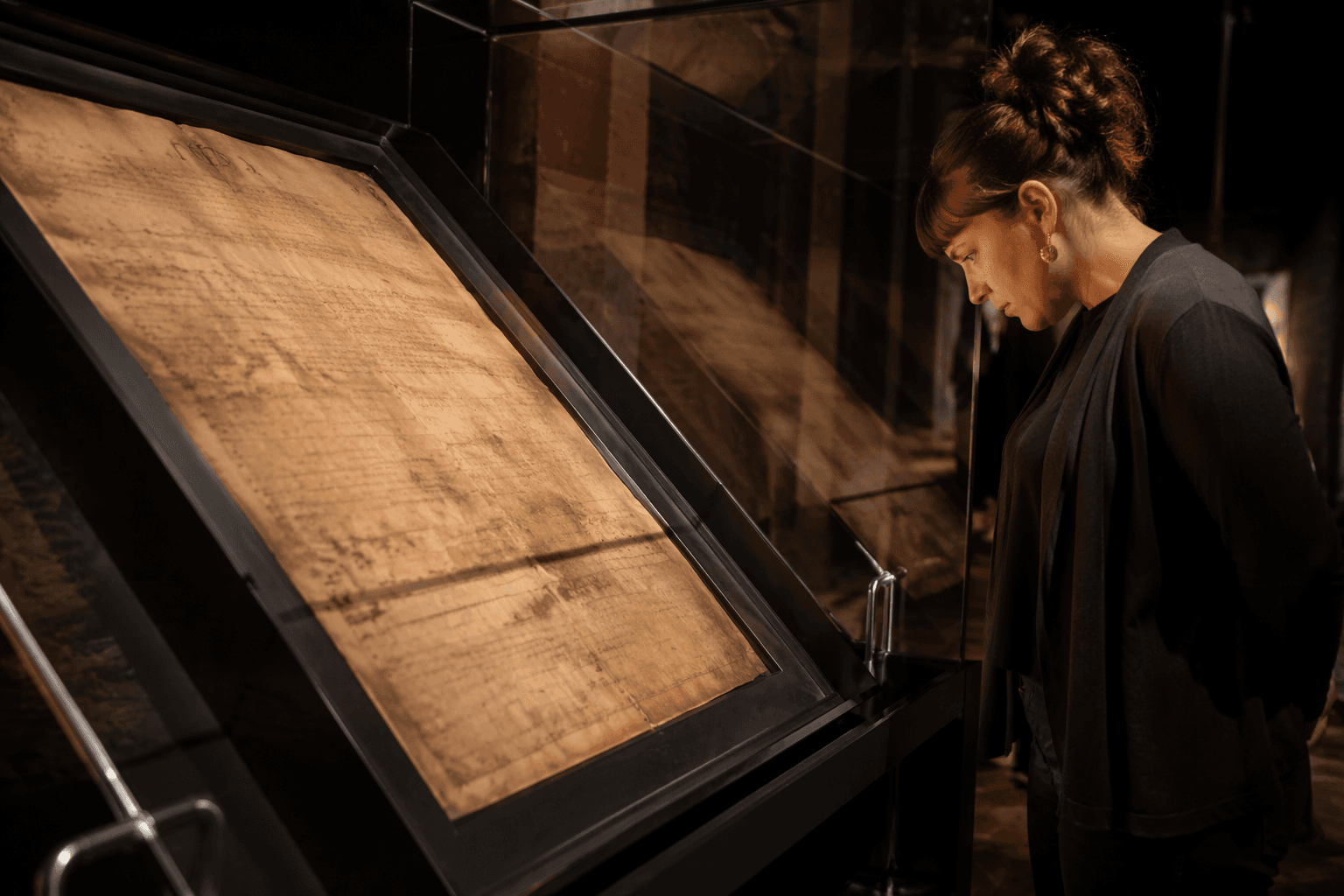
The detail that best captures that transformation is a vanilla ice cream recipe written in Jefferson’s hand, the first known recipe recorded by an American.
Why ice cream was a luxury, not a treat for everyone
Ice cream in the late 18th and early 19th centuries was not an everyday dessert. It was a status symbol, served at upper-class dinner parties as a spectacle. The reason was practical as much as social: ice was a commodity that wealthier households could harvest, store, and use, while most people could not afford that kind of cold storage or the labor needed to keep it.
A household that could present ice cream was displaying access to space, labor, and preserved ice. In that world, even odd-seeming dishes such as Parmesan ice cream signaled wealth and experimentation.
Drink as much as dinner
Food was only part of the story. Colonial Americans drank roughly three times as much alcohol as modern Americans, with beer, cider, and whiskey common across daily life. Taverns and public houses were not just places to eat and drink. They served as unofficial headquarters where patriots met, strategized, read revolutionary texts, and discussed politics.
The Revolution did not unfold only in formal chambers and printed pamphlets. It also took shape in rooms where beer and cider were served, where news moved over mugs and tables, and where public opinion could be tested in real time.
The army ate differently from the elite
The Continental Army’s table looked nothing like Jefferson’s. Typical rations included beef or pork, bread or flour, peas or beans, rice or Indian meal, and beer or cider. These were practical foods built for sustenance, not display. They were also vulnerable to supply breakdowns, and soldiers at Valley Forge and Morristown sometimes went hungry and threatened mutiny.
The same revolution that produced elegant dining in private houses also left soldiers short of food in winter encampments. The founding generation did not share a single diet, and it did not share a single level of security. One group could experiment with frozen desserts and French sauces; another worried whether there would be enough flour or meat to get through the week.
The labor and land behind the feast
None of this food culture existed on neutral ground. Colonial America’s food system depended on Native American land displacement and enslaved labor, including enslaved cooks, who made the meals that defined elite American cuisine. The seafood, the luxury desserts, the French techniques, and the table service all rested on labor systems that were politically and morally violent.
This article was produced by Prism’s automated news system from verified source data, official records, and press releases, then run through automated quality and moderation checks before publishing. The system is built and supervised by the people who set the standards it runs under. Read our full AI policy.
Did this article answer your question?