Colorado River drought deepens as federal officials plan emergency cuts
Lawn cuts, higher water bills and farm pain are creeping closer as Colorado River storage falls to 36 percent and emergency cuts of up to 40 percent are on the table.
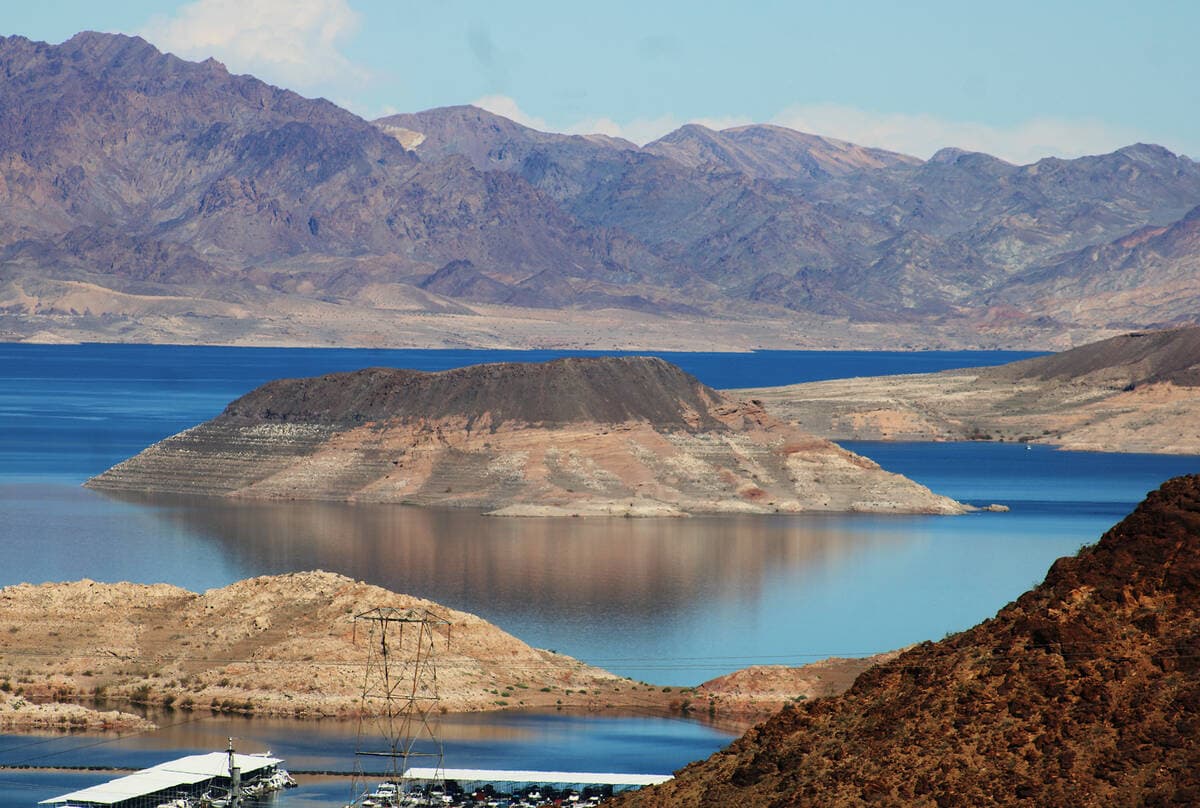
The next squeeze on the Colorado River will not start in a reservoir chart. It will show up in household bills, lawn restrictions, farm deliveries and the electricity that depends on water moving through Lake Powell and Lake Mead. Federal planners have been weighing emergency reductions as the river system has fallen to about 36 percent of capacity, with Arizona, California and Nevada facing proposed cuts that could reach 40 percent of current supplies, or as much as 3 million acre-feet a year.
That pressure lands on a river system that serves more than 40 million people every day across Arizona, California, Colorado, Nevada, New Mexico, Utah and Wyoming, along with 30 Tribal Nations and Mexico. The Colorado River runs about 1,400 miles from Rocky Mountain National Park in Colorado to the Gulf of California, and it also supports 5.5 million acres of farmland. In a region already living through a historic 23-year drought, the Bureau of Reclamation has said the basin’s primary reservoirs, Lake Powell and Lake Mead, have fallen to historically low elevations since the dry spell began in 2000.
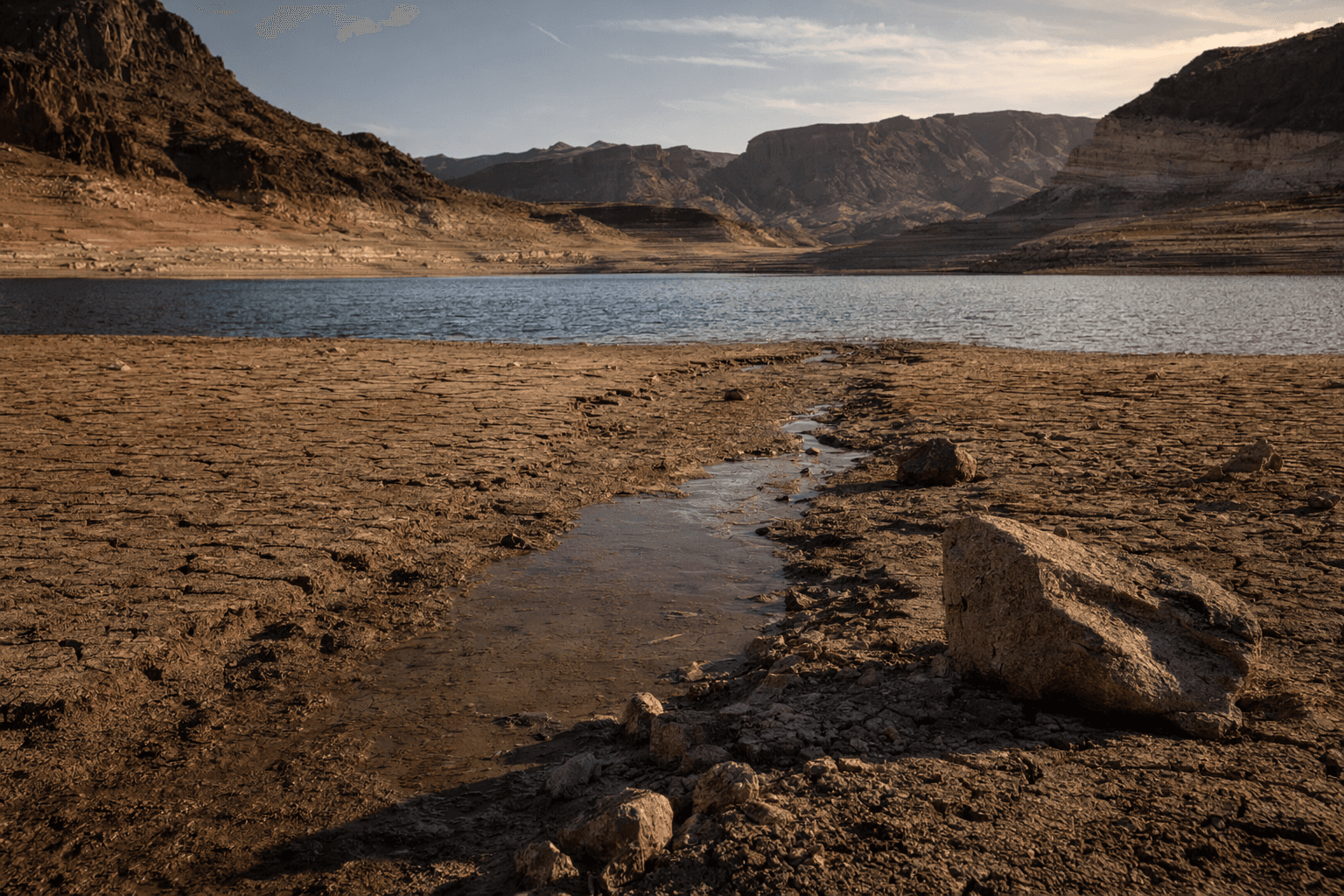
The post-2026 fight is already underway because the current operating framework is set to expire at the end of 2026. That includes the 2007 Interim Guidelines, the 2019 Colorado River Drought Contingency Plans and key U.S.-Mexico agreements. Reclamation released a draft environmental impact statement on Jan. 9, 2026, opened a 45-day public comment period on Jan. 16 and closed it on March 2. The agency said it received 18,127 submissions, including 785 unique submissions and more than 17,000 form letters, but it has not identified a preferred alternative.
The choices now on the table are blunt. Reclamation has said the next rules must be in place because inaction is not an option and the river, along with the 40 million people who depend on it, cannot wait. The agency is weighing operating strategies for Lake Powell and Lake Mead that would try to protect critical reservoir elevations and keep hydropower production from sliding further. That is why the proposed federal plan reported on May 15, 2026, drew such alarm. Arizona water officials called the cuts “sobering” and warned that Central Arizona Project deliveries could be at risk.
If the cuts land, the first impacts will be felt most acutely in the lower basin, where Arizona, California and Nevada rely heavily on the river’s managed releases. Farming districts, urban water users and hydropower customers tied to Lake Mead and Lake Powell would be closest to the front line. The river has been shrinking for years; the new emergency planning shows how little margin remains.
This article was produced by Prism’s automated news system from verified source data, official records, and press releases, then run through automated quality and moderation checks before publishing. The system is built and supervised by the people who set the standards it runs under. Read our full AI policy.
Did this article answer your question?