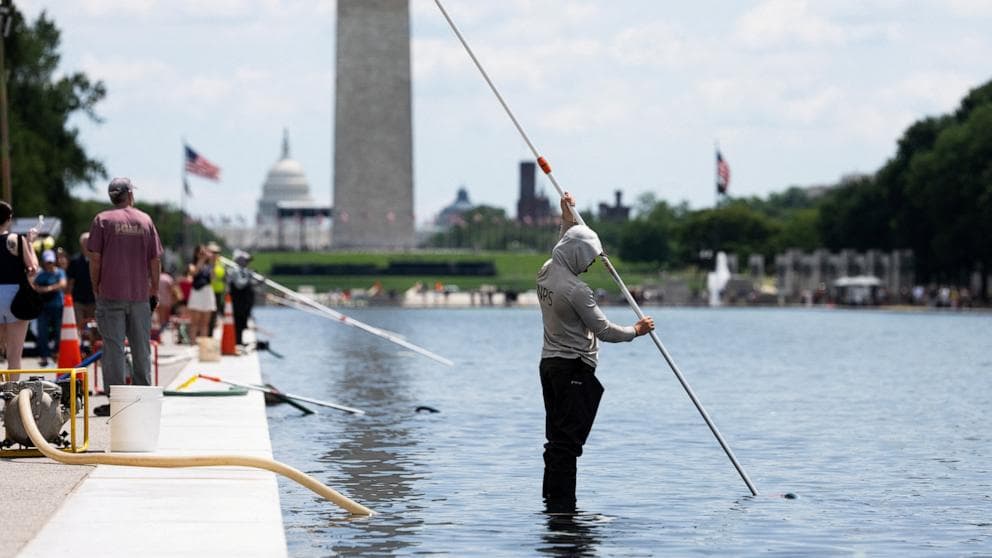
Colorado River faces deepening crisis as states clash over cuts
Seven states are still fighting over a river the 1922 compact divided for more water than it now carries. Lake Mead shortages already forced cuts for Arizona and Nevada.

The Colorado River is being squeezed by a system built for a river that no longer behaves the way its architects assumed. A 1922 compact split the basin into Upper and Lower Basins and assigned 7.5 million acre-feet a year to each, even though the Colorado River now supports far less water than that framework presumes and must serve competing demands across Arizona, California, Colorado, Nevada, New Mexico, Utah and Wyoming.
The stakes are enormous. Federal managers say the river system serves about 40 million people and underpins agriculture, municipal water supplies, tribal uses, hydropower and ecosystems across the Southwest. Yet the basin’s two biggest reservoirs, Lake Powell and Lake Mead, hold about 92% of total storage capacity, making their losses a measure of how much margin the system has already burned through.
In August 2024, the U.S. Bureau of Reclamation said Lake Powell would operate in a Mid-Elevation Release Tier for water year 2025 and Lake Mead would be in a Level 1 Shortage Condition. That meant required cuts for Arizona and Nevada, along with contributions under the Lower Basin Drought Contingency Plan. The decision was a stark reminder that the river’s operating rules are now being used to ration scarcity rather than manage abundance.
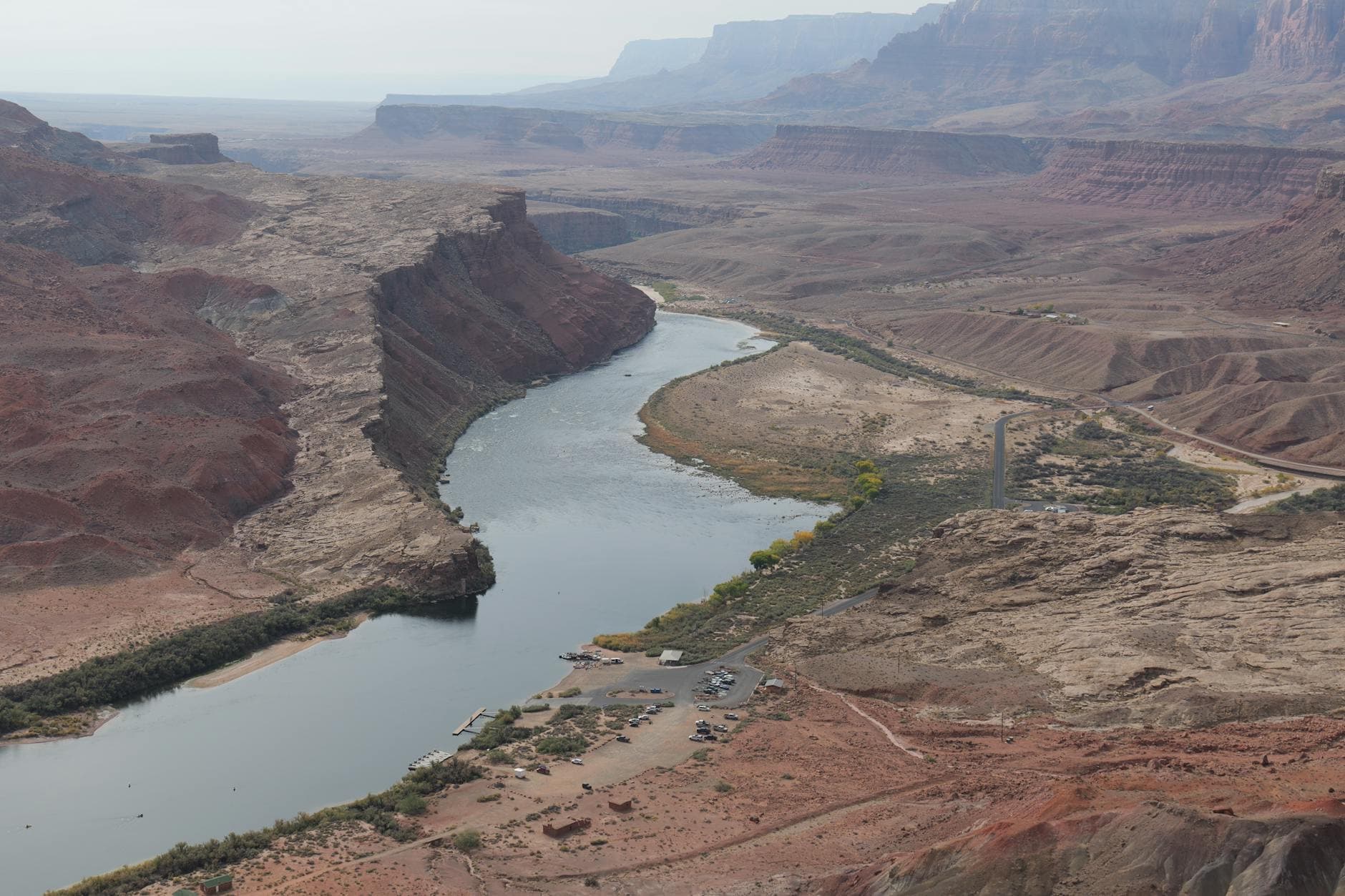
The seven basin states have not been able to settle on deeper, long-term reductions, and by 2026 Reclamation had moved toward short-term stopgap planning instead of a durable agreement. The deadlock drew more than 18,000 public comments on the federal plan by spring 2026, a sign of broad frustration from states, cities, tribal nations, industry groups and others who depend on the river.
Tribal leaders have become central to the fight as well. Thirty federally recognized tribes are reported to claim a fourth of the Colorado River, adding another layer of negotiation to a basin already divided by law, drought and politics. Agriculture remains the basin’s largest water user, keeping farmers and ranchers at the center of any future cuts.
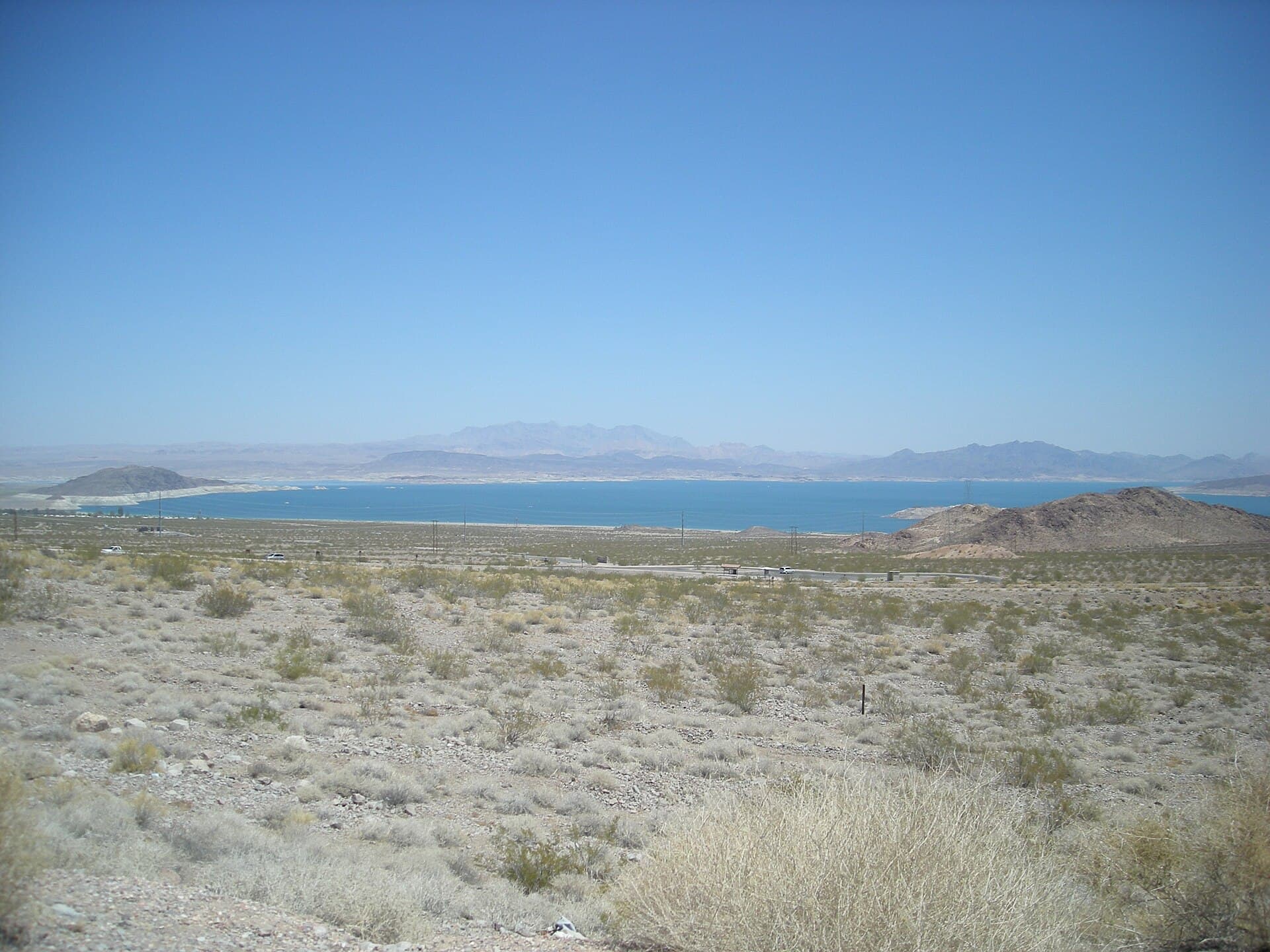
The Colorado River conflict is no longer just about allocation. It is about whether a century-old compact can still govern a river that is being reshaped by climate pressure, falling reservoir levels and interstate bargaining that has yet to produce a replacement.
This article was produced by Prism’s automated news system from verified source data, official records, and press releases, then run through automated quality and moderation checks before publishing. The system is built and supervised by the people who set the standards it runs under. Read our full AI policy.
Did this article answer your question?