Commerce backs $2 billion quantum push, launches first U.S. foundry
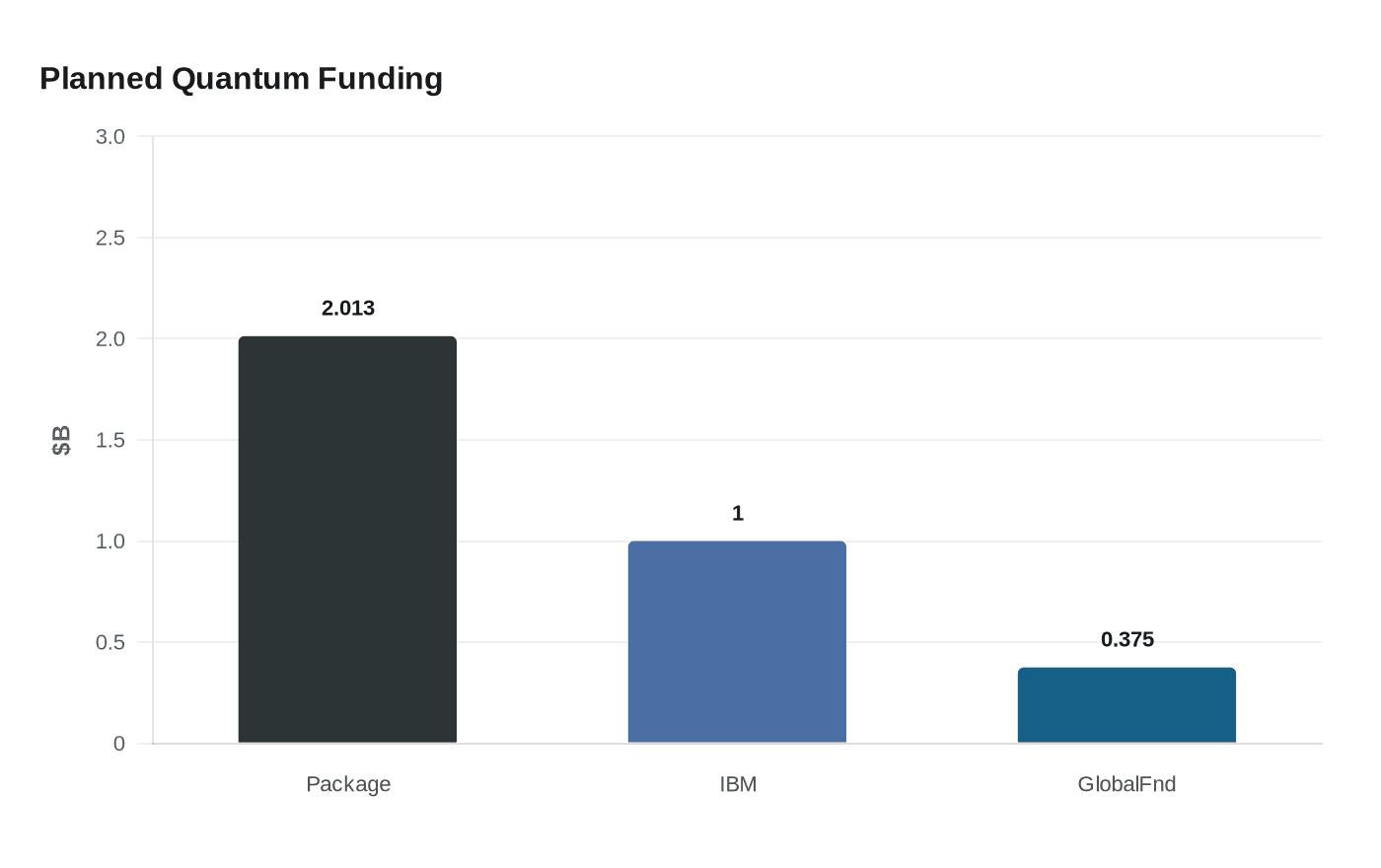
Washington put $2.013 billion behind quantum manufacturing, but the equity-stake structure raises a legal test the CHIPS Act was never built to answer.
The federal government is pushing the CHIPS and Science Act into a new legal gray zone, using the law to back a $2.013 billion quantum package that could reshape how Washington funds strategic industries. The question is bigger than one deal: if the Commerce Department can pair federal incentives with equity stakes in nine quantum companies, the administration may be moving faster than the law and oversight framework were designed to handle.
On May 21, 2026, the U.S. Department of Commerce announced nine letters of intent under the CHIPS and Science Act for two domestic quantum foundry companies and seven quantum computing companies. The package is aimed at utility-scale, fault-tolerant quantum computers and, by the department’s own account, at national defense, advanced materials, biopharmaceutical discovery, financial modeling, and energy systems. The structure matters because the awards are not final binding grants; they are still being negotiated, and the reported equity component has already raised questions about whether the 2022 law authorizes that kind of ownership-like stake.
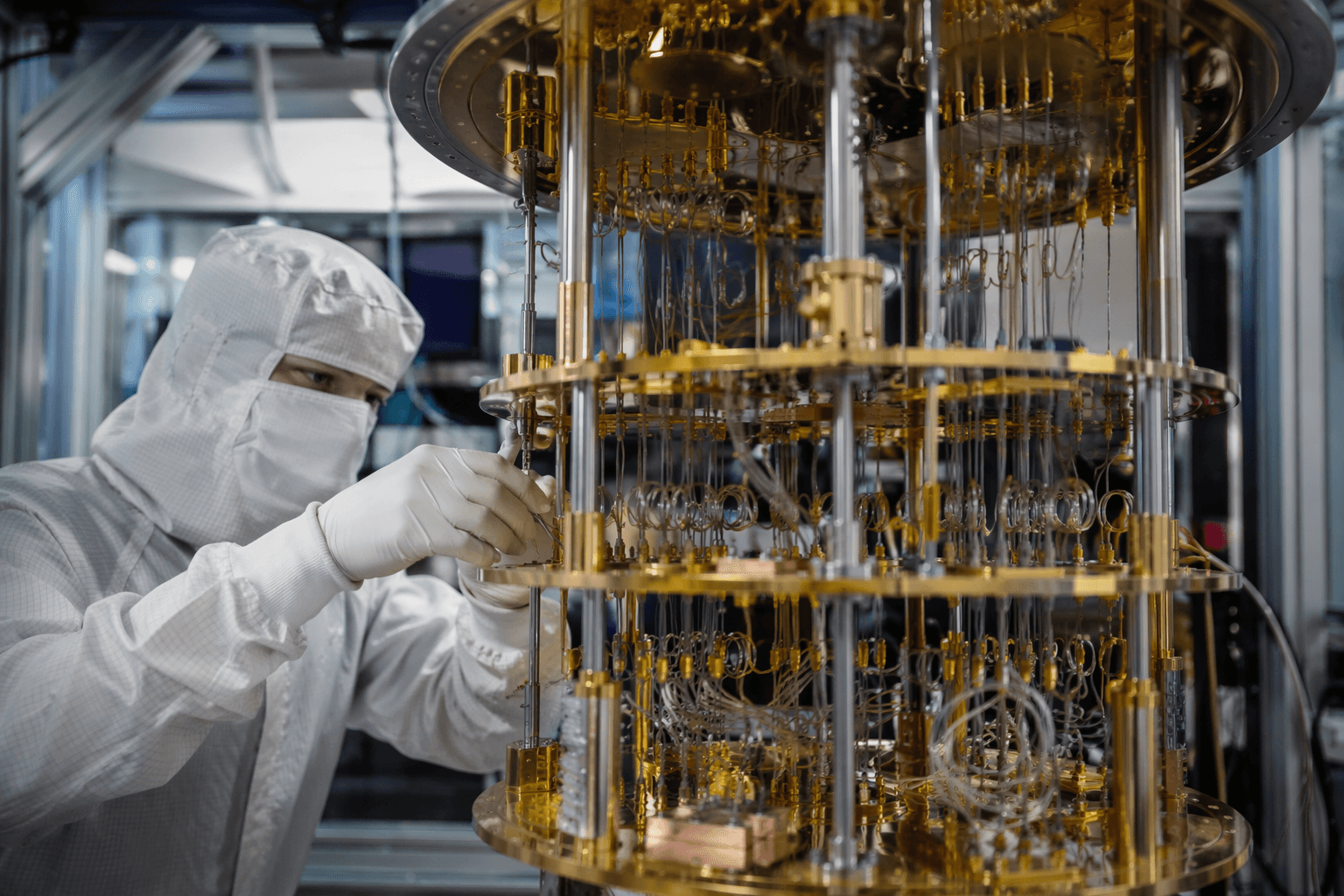
IBM’s new subsidiary, Anderon, is slated to receive $1 billion in planned federal funding. IBM said Anderon will be headquartered in Albany, New York, operate as a 300-millimeter quantum wafer foundry, and be capitalized with IBM’s own $1 billion cash contribution, plus intellectual property, assets, and a skilled workforce. IBM described the venture as America’s first pure-play quantum foundry, and Commerce said the initiative could help position the United States to manufacture most of the world’s quantum wafers.
GlobalFoundries will receive $375 million in planned funding for Quantum Technology Solutions, its new quantum manufacturing business. The company said the unit already has customer engagements and a pipeline of quantum innovators, signaling that the government is not just subsidizing research but trying to build a domestic supply chain around a technology that remains years from broad commercial deployment. The Commerce Department said the incentives are meant to support multiple quantum modalities, including superconducting, trapped-ion, photonic, topological, silicon spin, and neutral-atom approaches.
That broad scope explains the policy ambition, but also the legal tension. The CHIPS and Science Act of 2022 was written as a manufacturing and innovation tool, not an open-ended ownership vehicle. If Washington is now using it to take stakes in frontier-tech companies, the move could become a template for other strategically important sectors, or a flash point if courts or lawmakers decide the administration has stretched industrial policy beyond what Congress clearly approved. In quantum, the stakes are not just financial. They reach into who controls the next generation of critical computing power, and on what legal terms.
Know something we missed? Have a correction or additional information?
Submit a Tip