Starlink Mini firmware hints at battery-powered dish with USB-C port
Firmware strings point to a Starlink Mini with a built-in battery, USB-C port and battery meter, a sign SpaceX may be pushing beyond emergency use.
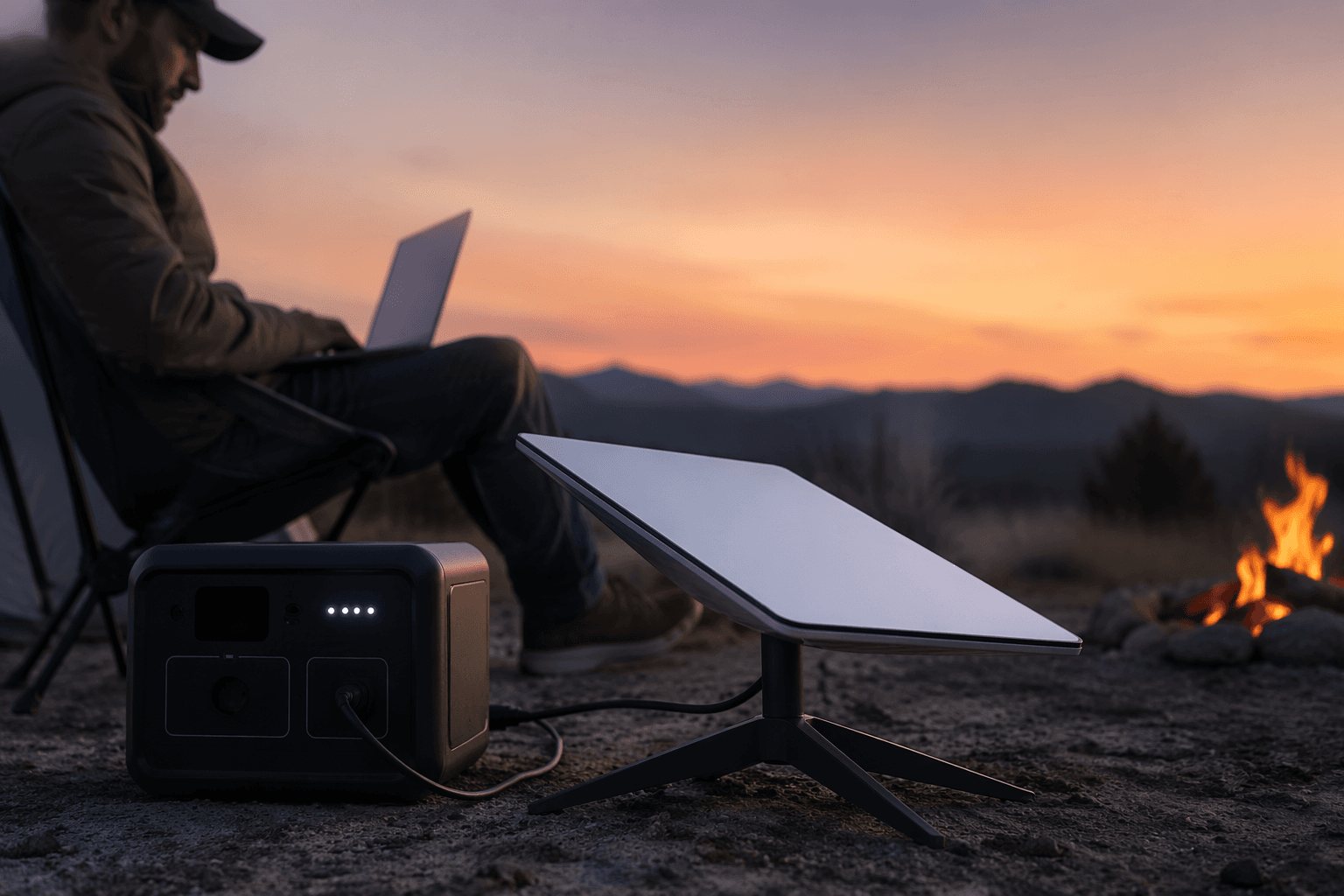
Starlink Mini may be edging from a backpack-ready broadband tool into something closer to a truly untethered terminal. Code in recent Starlink firmware points to a variant with an integrated battery, a USB-C port and a battery status function, clues that suggest SpaceX is testing whether its smallest dish can work without being tied to a wall, a car or a separate power pack.
Jinwei Zhao, a PhD student in computer science at the University of Victoria in British Columbia, identified the hints in the May firmware release. Zhao regularly downloads Starlink firmware builds and publishes them on GitHub, while his professor, Jianping Pan, has spent years studying Starlink and other satellite internet systems. One of the clearest signs, Zhao said, was straightforward: “This is new in the May firmware version.”
The hardware would build on a product SpaceX already sells as a compact, backpack-sized kit with a built-in Wi-Fi router, DC power input and download speeds of more than 200 Mbps. Starlink’s help pages say the Mini kit includes an integrated Wi-Fi kickstand, a Mini Pipe Adapter and Flat Mount, a 15-meter DC power cable, a power supply and a Starlink plug. The company also says the dish can run on 110VAC or 12-48VDC at 60W, and it now offers a USB-C to barrel-jack cable accessory for the Mini.
That matters because the Mini is already being used in places where power is fragile and mobility is essential. SpaceX’s emergency-response page says first responders used Starlink Mini during catastrophic flooding in Texas Hill Country, relying on portable batteries, solar arrays and vehicle power to stay connected. In 2025, third-party accessory maker PeakDo released the LinkPower 1, a 99Wh battery pack that reportedly delivered about 4.5 hours of Starlink Mini use, turning the dish into a self-contained terminal for field work, travel and backup communications.
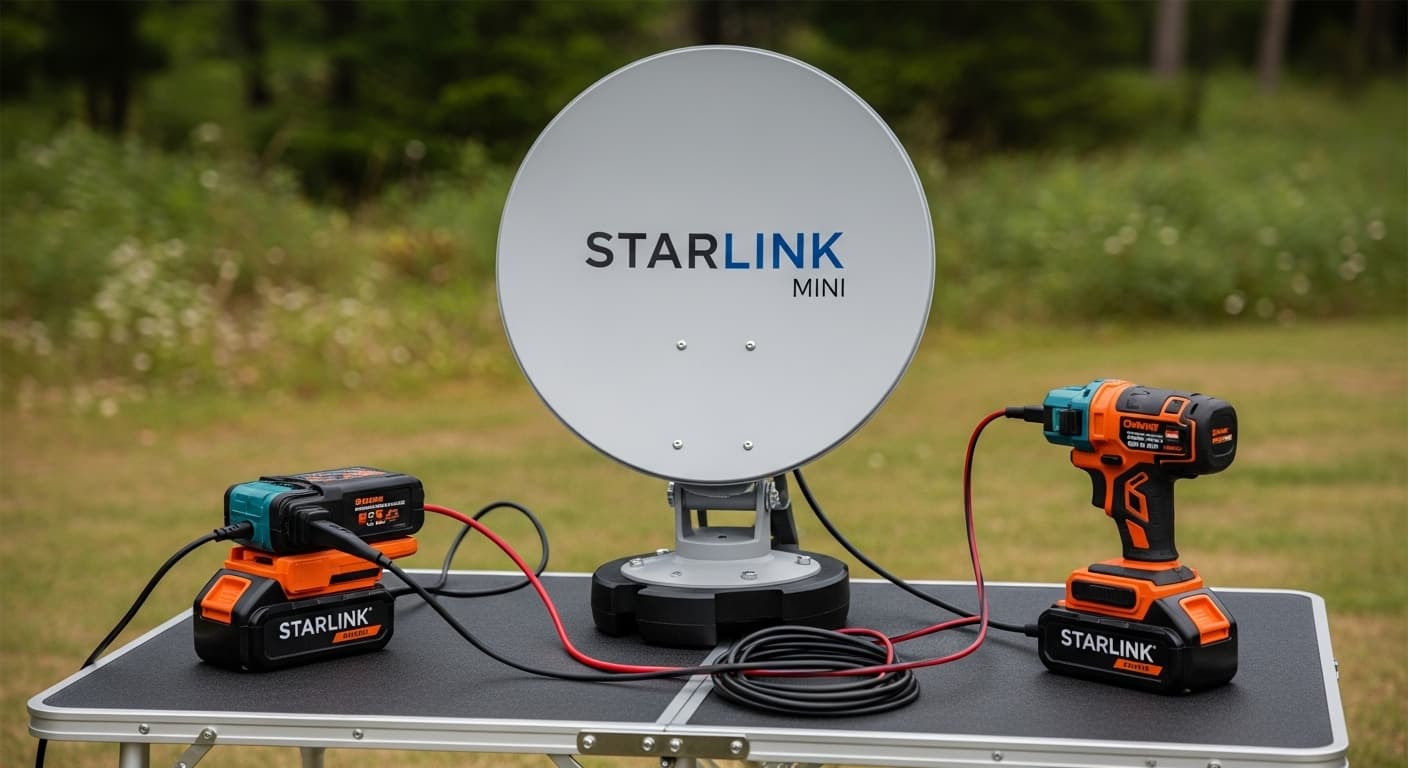
The broader test is whether satellite internet is becoming genuinely consumer-friendly or simply easier to improvise. SpaceX has marketed Starlink Mini through Roam for RVers, campers, travelers and people working on the go, with service across 150-plus countries, territories and other markets. It first priced the Mini around $299 in 2024, then later listed a U.S. price of $199 with an activation benefit. A built-in battery would not just make the dish easier to carry. For rural households, disaster zones and travelers far from reliable grid power, it could determine whether Starlink remains a niche workaround or becomes a more practical everyday connection.
Know something we missed? Have a correction or additional information?
Submit a Tip