Community workshops launched to shape Mauna Kea management plan
Mauna Kea Stewardship and Oversight Authority announced free community workshops to gather input on access, cultural practice, and conservation for Mauna Kea. Residents can attend in person or watch via YouTube.
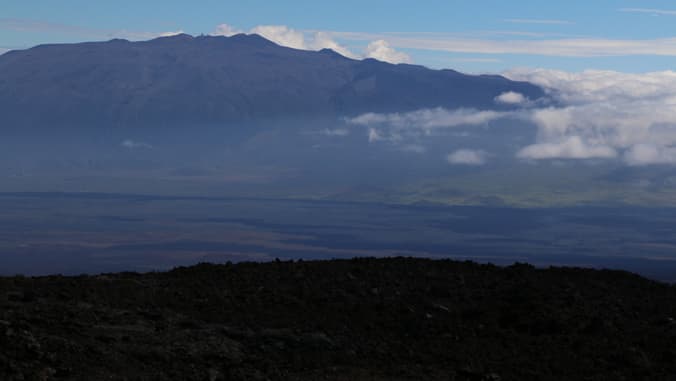
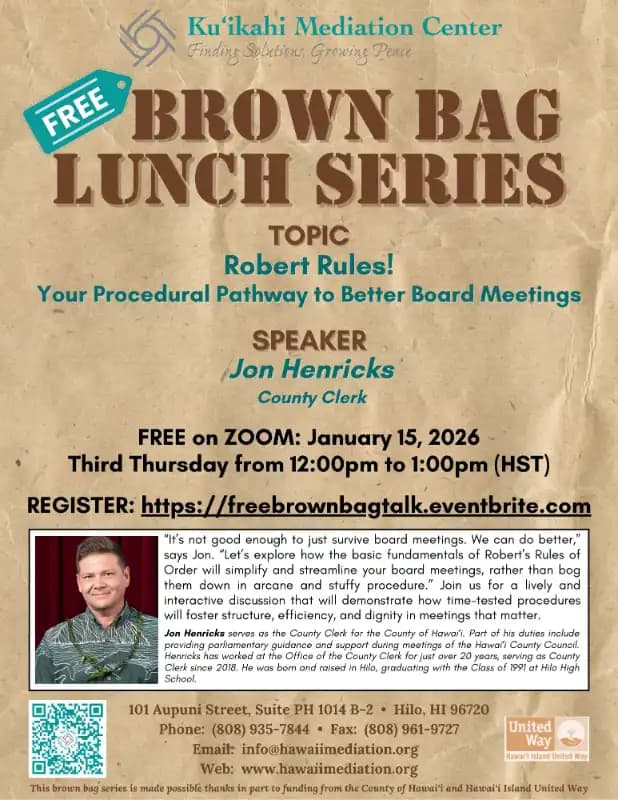
The Mauna Kea Stewardship and Oversight Authority, working with Kua o Wakea, announced Jan. 13 a series of community workshops to collect public input for a Comprehensive Management Plan for Mauna Kea. The meetings begin Jan. 15 on Oʻahu, with multiple sessions planned for Hawaiʻi Island in February. Events are free, with optional preregistration and livestream access via YouTube.
Officials said the workshops will solicit feedback on access, cultural practices, conservation and long-term care of the mauna. That outreach marks a key step in shaping policies that govern land use, ceremonial access, and environmental stewardship on a mountain that is central to Native Hawaiian identity and to the broader Island community.
For Big Island residents, the process has immediate, tangible implications. How the CMP addresses access affects hula practitioners, cultural practitioners, and families who rely on the mauna for traditional gathering and wellbeing. Decisions about conservation and long-term care will influence native species protection, watershed health and the integrity of wahi pana that support food and medicinal plant traditions. Those ecological services are tied to community health—clean water, food security and cultural healing practices that clinicians and public health workers increasingly recognize as part of holistic wellbeing.
The authority’s public engagement approach acknowledges long-standing tensions over governance and equitable participation. Ensuring that kūpuna, kanaka ʻōiwi, practitioners and nonresident researchers can all be heard matters for social equity. Free attendance and livestreaming lower some barriers to participation, but accessibility depends on outreach to communities with limited internet access, on scheduling that allows working families and caregivers to attend, and on providing culturally appropriate spaces for testimony.

The CMP will guide stewardship decisions for future generations, meaning community input now can shape rules on visitor access, resource protections and the role of cultural practitioners in site management. Those policies can also have downstream effects on county services such as emergency response on the mauna, public safety planning, and partnerships with health providers who coordinate care for community members engaged in land-based practices.
The workshops offer a chance for residents to influence a plan that intersects culture, environment and public wellbeing. Bring your knowledge of how the mauna supports your family’s health and cultural practices, and consider how access rules affect elders, youth and caregivers. The takeaway? Participate if you can—on the ground or online—and push for processes that center equity, preserve cultural practice and protect the mauna for generations to come. Our two cents? Show up prepared, listen across perspectives, and make sure your voice speaks for the health of both people and place.
Sources:
Know something we missed? Have a correction or additional information?
Submit a Tip