Competing House and Senate Budgets Put Goochland Schools and Services at Risk
Goochland teachers face either a 2% or 3% annual pay raise, wastewater funding swings by tens of millions, and negotiators must reconcile competing budgets before the March 14 adjournment.

Goochland County Public Schools and county services face real budget uncertainty as Virginia’s House and Senate released competing amendments to the 2026–28 biennial budget in late February, setting up a March 14 deadline for conference negotiators to reconcile differences before a final plan goes to Gov. Abigail Spanberger. The two chambers diverge on pay raises, tax changes, and major investments that could affect teacher recruitment, special education and local infrastructure funding in Goochland.
Money committees in Richmond rolled out sweeping amendments to the $212 billion spending blueprint introduced by former Gov. Glenn Youngkin; some outlets reported the committee releases on Feb. 22 while at least one local report dated Feb. 23, 2026. The House Appropriations Committee and the Senate Finance and Appropriations Committee are expected to pass their chamber-specific proposals in the coming days, after which appointed conferees must produce a reconciled budget before the scheduled adjournment on March 14.
Teacher and state employee raises are a pointed difference. The House plan offers a 2% raise in each of the two budget years while the Senate would provide 3% in each year. Del. Luke Torian, chair of the House Appropriations Committee, said, “I think one of the first things was ensuring that we're doing our very best to care for employees of the Commonwealth.” Senate Finance Chair Sen. L. Louise Lucas noted that “This raise is in addition to the additional $1,500 bonus in the caboose bill for these employees, which recognizes their dedication to keep us safe, educate our students, and keep the government running.”
The Senate proposal includes a one-time tax rebate of $100 for single filers and $200 for joint filers, standard deduction increases that add $450 for individual filers (bringing the individual deduction to $9,200) and $900 for joint filers (bringing the joint deduction to $18,400), and an extension of the Earned Income Tax Credit. Sen. Scott Surovell of Fairfax confirmed that revenue measures tied to creating taxable industries such as i-Gaming, retail marijuana and skill games are written into the budget or accompany related legislation. Virginia Mercury flagged SB30 in the Senate package as ending a data-center sales tax exemption that could generate millions in state revenue.
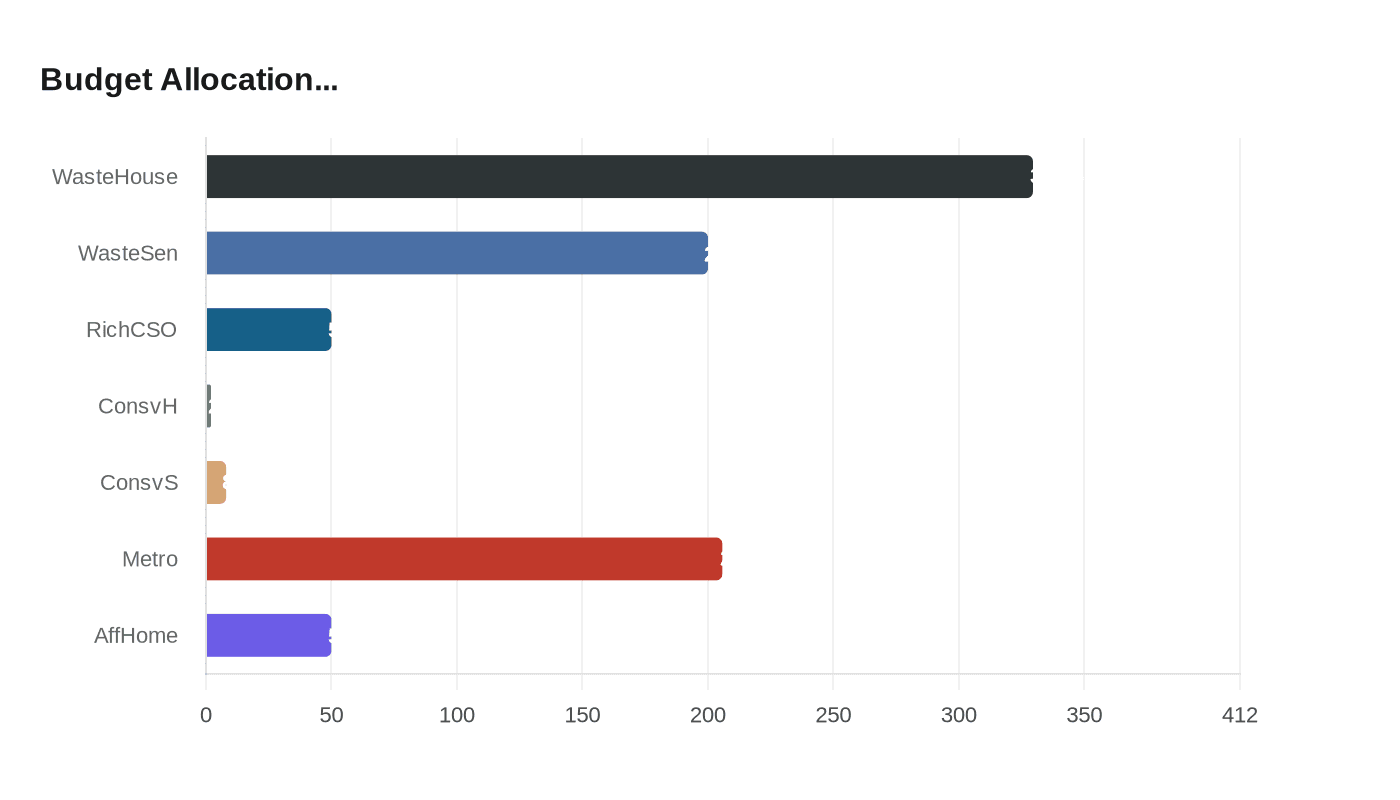
Environmental and infrastructure allocations vary sharply. The Chesapeake Bay Foundation reported the House added almost $189 million to reach $329.5 million in state share for wastewater treatment plant improvements while the Senate proposed an additional $200 million for wastewater treatment facilities; both chambers include $50 million for Richmond’s combined sewer overflow project. CBF warned those totals “fall short of the funding needed to fully upgrade our wastewater systems,” and noted neither budget includes language to fully fund the Pay-for-Outcomes program. The House reduces funding for the Virginia Agricultural Cost-Share Program and funds the Virginia Conservation Assistance Program at $2 million compared with $8 million in the Senate.
Other line items include $205.7 million for Metro and $50 million for affordable housing in the Senate plan, while Virginia Mercury reports the House emphasizes larger direct investments in the Virginia Housing Trust Fund and a broader package of worker protections under its “Affordable Virginia Budget” branding. Fund Our Schools said, “Both budget proposals make progress on key items for our public schools, particularly support for students with disabilities and students from low-income families. However, both budgets fall short in some areas, including not raising the sustainable revenue needed to fund the investments that our students desperately deserve.”
With conferees appointed after chamber passage and the March 14 adjournment looming, Goochland officials, school leaders and regional advocates will watch the reconciliation process closely to see whether the final package delivers 3% raises, additional wastewater dollars, or revenue changes from ending data-center exemptions and new taxable industries. The reconciled budget must be approved by both chambers and signed off before the July 1, 2026 effective date for the 2027–28 fiscal years.
Know something we missed? Have a correction or additional information?
Submit a Tip