Complete Checklist for Running Successful Pickleball Retreats and Events
This practical, actionable checklist lays out everything organizers and small-business hosts need to plan stay-and-play pickleball retreats, from venue selection and daily programming to staffing, logistics, safety, pricing, and promotion. Use these step-by-step recommendations to build welcoming, well-run retreats that reduce risk, enhance player experience, and improve sell-through to hobbyist players.
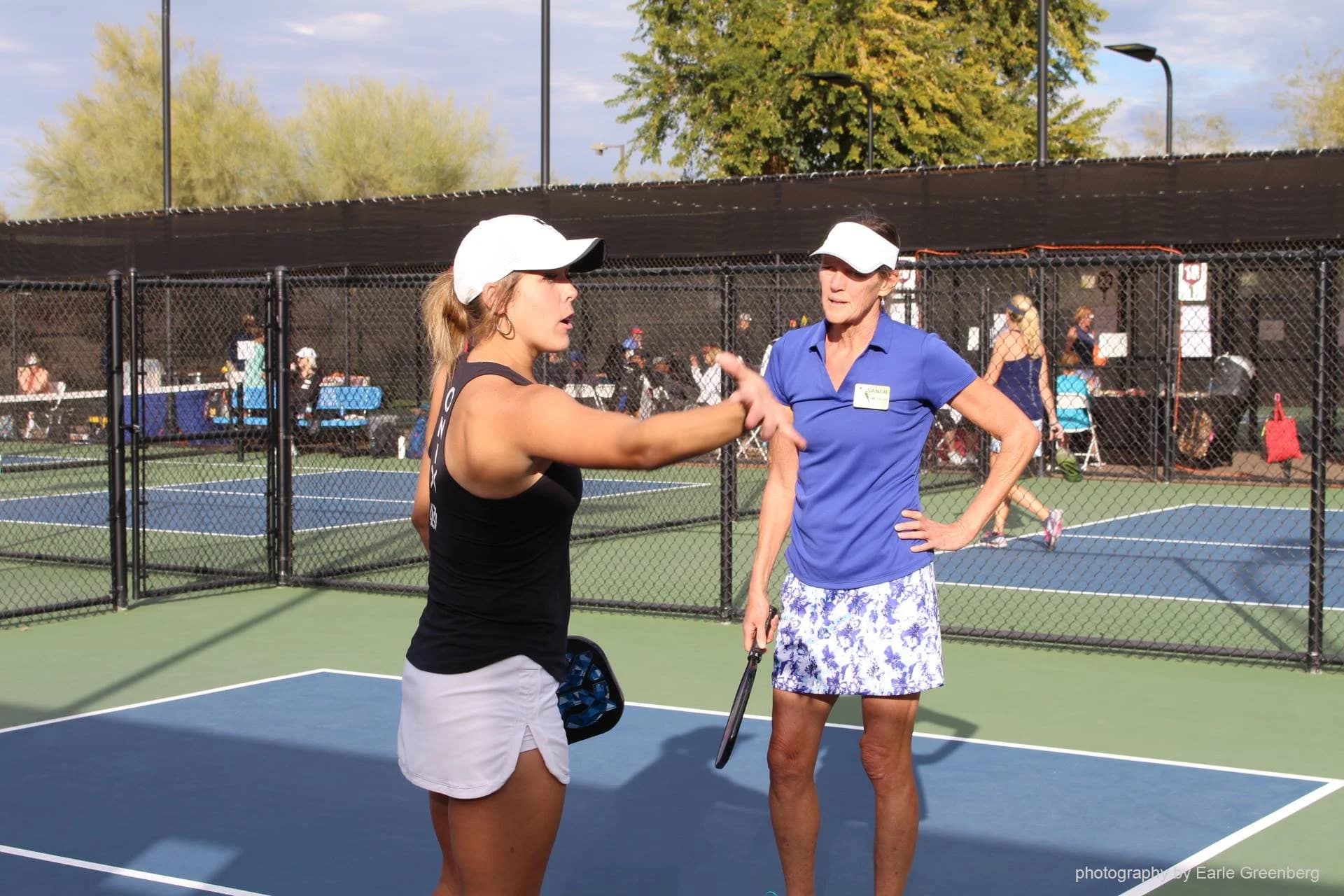
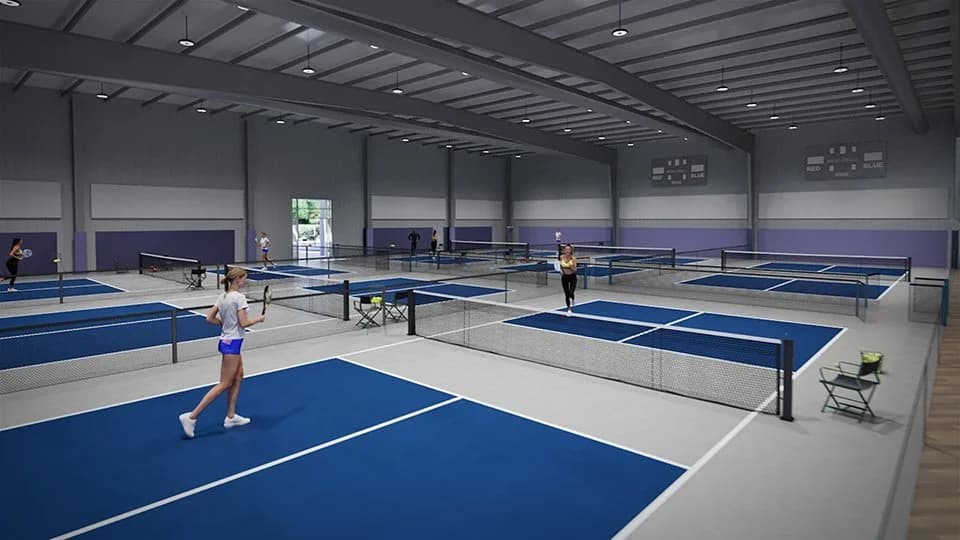
Organizers planning pickleball retreats must balance courts, coaching, hospitality, and community to deliver a polished experience. Start with venue selection: inspect court surfacing for wear, confirm consistent line paint and net heights, check lighting for evening play, and evaluate nearby lodging and meal options so transportation between sites is efficient. Decide indoor versus outdoor based on weather risk and noise policies, and set attendee caps by court availability and desired coach-to-player ratios to preserve quality.
Match skill-level groupings at registration and require self-assessment plus a brief on-court check-in for final placement. Structure programming around a daily rhythm that alternates instruction and recovery. Sample day: a 60- to 90-minute morning clinic focused on technique, a 30- to 60-minute supervised practice or ball machine session, a midday break of 60 to 90 minutes for rest and meals, an afternoon of drills and light competition in 60-minute blocks with 10- to 20-minute rest between sessions, and an evening social or partner mixer. Limit high-intensity play to two sessions per day or stagger intensity across days to avoid overuse injuries.
Staffing choices shape player satisfaction. Hire experienced, certified instructors and set small-group instruction ratios to allow individualized feedback. Aim for 4-to-6 players per coach in intensive drill groups and 8-to-12 per instructor for larger clinics, with scheduled one-on-one feedback slots. Recruit local pros as guest coaches to reduce travel costs and strengthen community ties.
Operational logistics must be clear and practiced. Use an online registration system with automated confirmations, collect signed waivers and proof of insurance coverage, and maintain paddle and ball rental inventories with an equipment-check station on arrival. Plan food with dietary options in mind, provide easy on-site or nearby meal solutions, and offer airport transfers or shuttle details on the event page. Create contingency plans for weather or court closures, including backup indoor courts, schedule flexibility, and transparent refund or credit policies.

Build atmosphere through social programming: welcome icebreakers, evening socials, optional local excursions, partner mixers, team tournaments, group photos, and small awards to foster connections. Prioritize safety with structured warm-up protocols, mandatory cooldown and stretch sessions, encourage protective eyewear, and keep a stocked first-aid kit plus local medical contacts readily available.
Price events by totaling coaching fees, lodging, meals, court rental, and transportation. Recommend a deposit policy such as 25 to 50 percent at booking with final payment due 30 days before the event, and publish cancellation and transfer policies clearly. For promotion, target local clubs, community centers, social media groups, and email lists, highlight skill-level grouping and limited capacity, and offer early-bird discounts or roommate matchmaking to help sell packages.
These practical steps turn planning into repeatable operations. Follow the checklist, adapt sample schedules to facility constraints, and document every policy and supplier contact to streamline future retreats.
Sources:
Know something we missed? Have a correction or additional information?
Submit a Tip