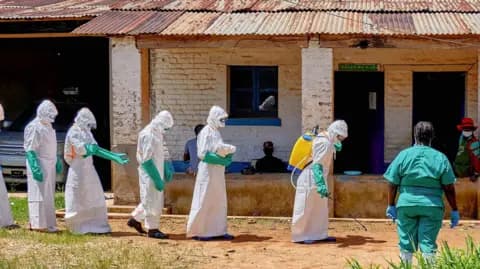
Congo battles Ebola outbreak amid aid cuts, rebels and rising deaths
Ebola is spreading through eastern Congo with 575 suspected cases and 131 suspected deaths, as aid cuts, insecurity and mistrust choke the response.
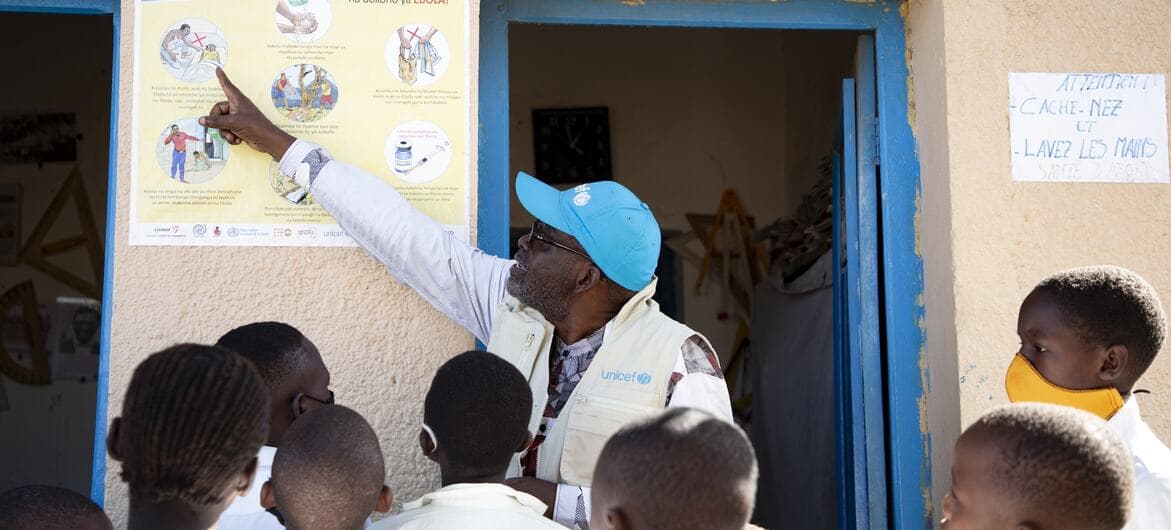
Congo’s latest Ebola outbreak is testing more than disease control. In eastern provinces already strained by conflict and displacement, aid cuts, armed insecurity and deep community mistrust are slowing the very tools needed to stop the virus: surveillance, contact tracing, safe burials and vaccine delivery.
The World Health Organization said the outbreak was declared on 15 May 2026 and involves Bundibugyo virus disease, a form of Ebola for which there is no licensed vaccine or specific treatment. UNICEF said that by 20 May, at least 575 suspected cases and 131 suspected deaths had been reported across Ituri and North Kivu provinces, with signs of sustained community transmission, family clusters, healthcare-associated infections and spread into urban settings.
The alarm was raised on 5 May after an unknown illness with high mortality was reported in Mongbwalu Health Zone in Ituri Province. WHO said the outbreak was formally confirmed by laboratory testing on 14 and 15 May in the Democratic Republic of the Congo and Uganda. The first deaths included four health workers who died within four days, a reminder of how quickly Ebola can move through clinics when infection control fails.
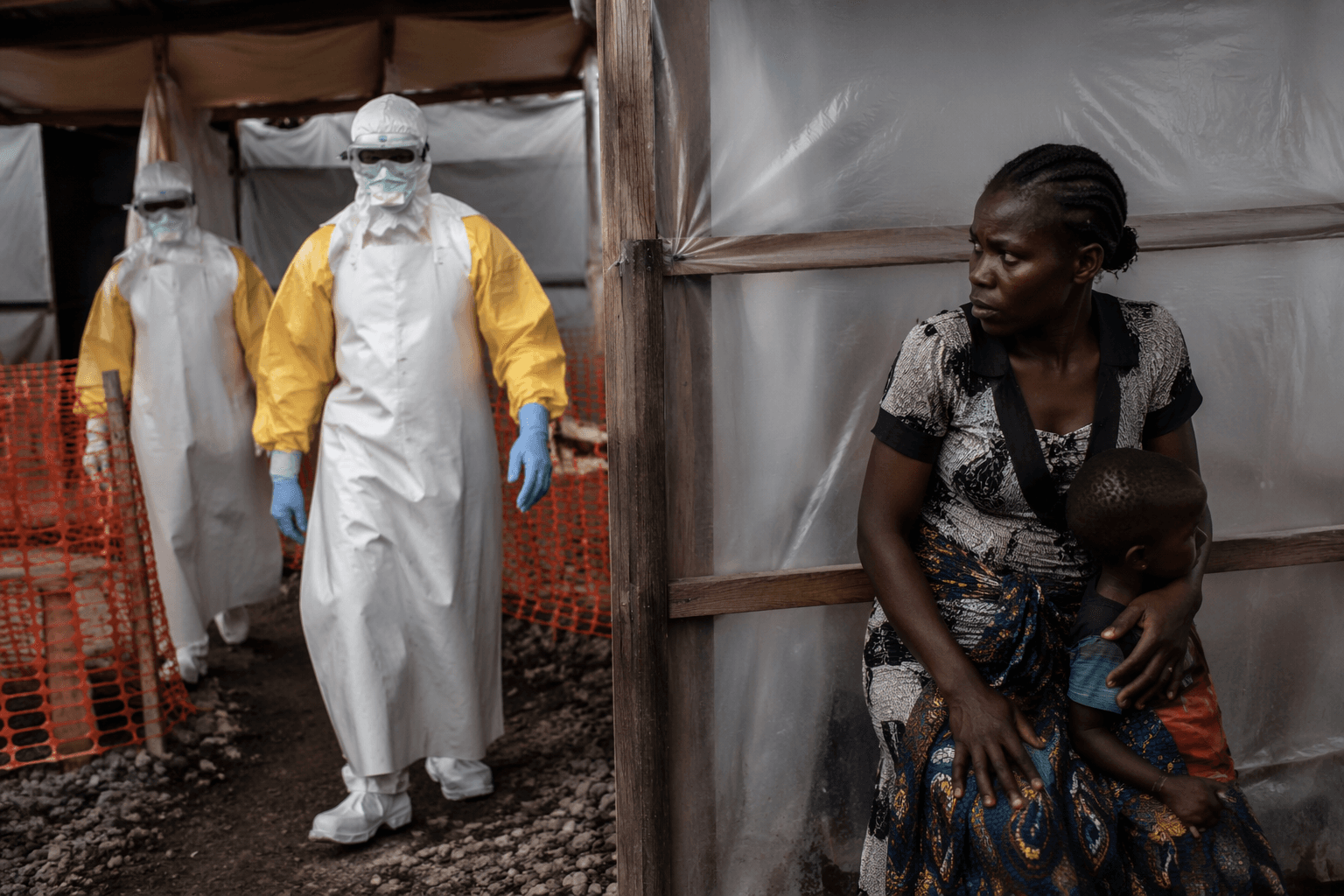
WHO has described the outbreak as unfolding in a remote and densely populated area, in the middle of a humanitarian crisis, where insecurity and high population and trade movements complicate the response. UNICEF said the outbreak had been declared a Public Health Emergency of International Concern and said it was scaling up support for children and vulnerable families. WHO said it was expanding surveillance, contact tracing, clinical care, supply delivery and cross-border preparedness with Congolese and Ugandan authorities.
The risk is sharpened by the virus itself. Bundibugyo disease has no approved vaccine, so containment depends on fast detection, isolation and community cooperation. That is a harder task in a region where fear of responders has repeatedly slowed public health work. In earlier Congo outbreaks, armed rebels killed two health agents fighting Ebola, showing how conflict can turn a health emergency into a security crisis.
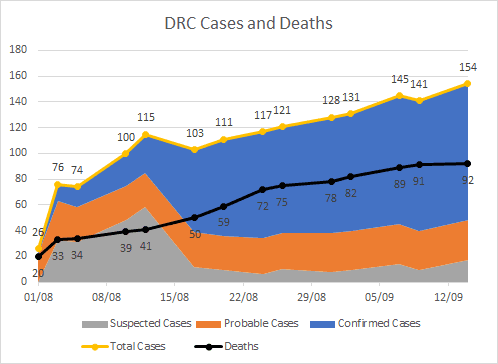
The current outbreak also lands in a country that knows Ebola too well. WHO says the Democratic Republic of the Congo has had 17 outbreaks since 1976. Its 2025 outbreak in Kasai Province, which affected Bulape and Mweka health zones and reached a population of about 3.5 million, ended on 1 December 2025 after 64 cases and 45 deaths. UNICEF said nearly 45,000 vaccine doses were sent there during that response.
MSF says Congo has suffered more Ebola outbreaks than any other country, including the 2018 epidemic that recorded nearly 3,500 cases and 2,300 deaths. The lesson from Congo and from West Africa’s 2014 to 2016 epidemic, which killed more than 11,300 people, is stark: when public health systems are undercut by violence, mistrust and shrinking resources, Ebola gains room to spread far beyond the first village or health zone.
Know something we missed? Have a correction or additional information?
Submit a Tip