Ebola outbreak in Congo sparks clashes over safe burials
Families trying to reclaim bodies in Ituri have turned Ebola control into a confrontation, with tear gas, warning shots and burned isolation tents.
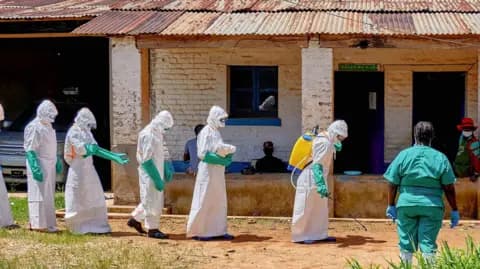
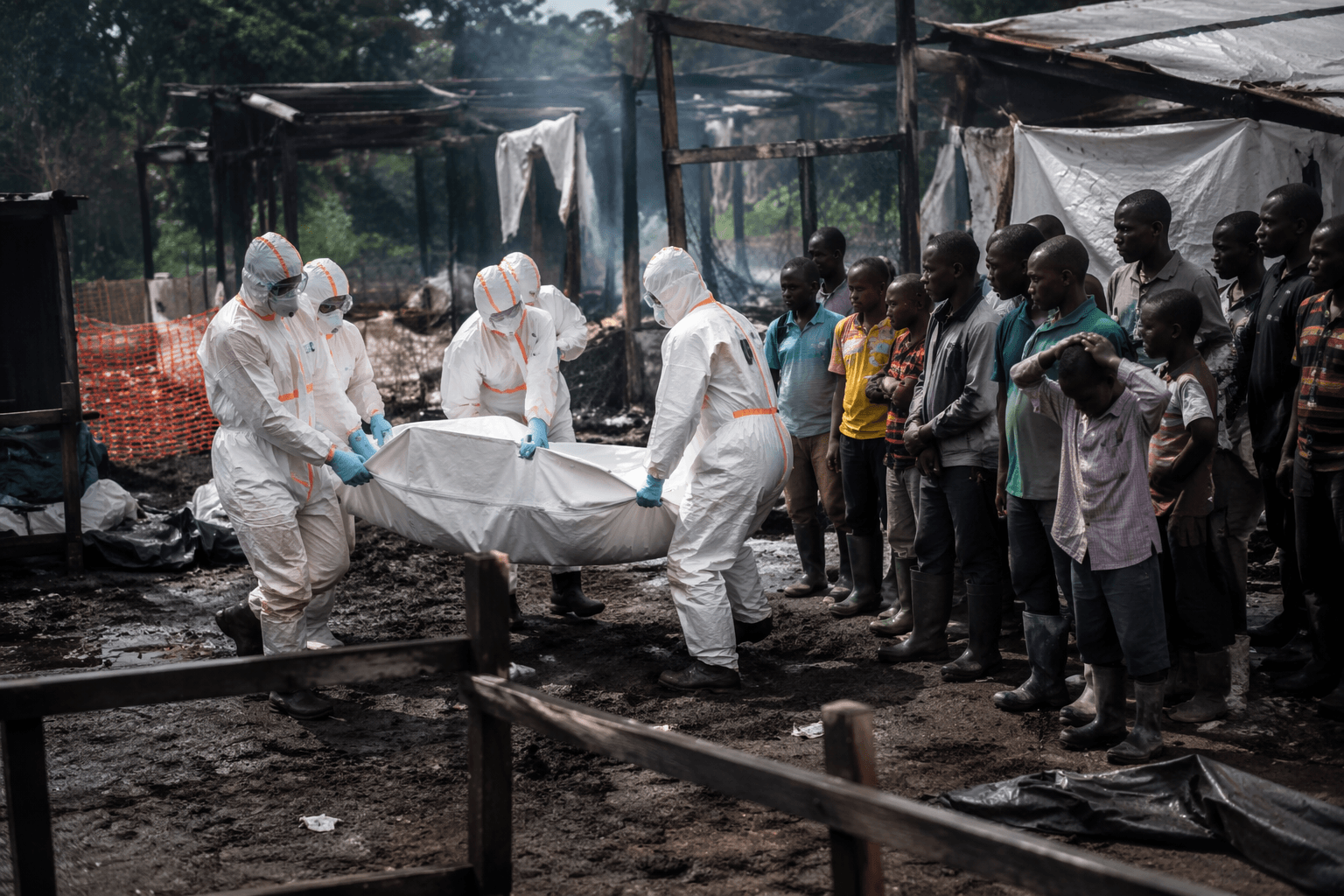
Families trying to reclaim bodies for burial pushed Congo’s Ebola response into a violent standoff, exposing how quickly fear and distrust can unravel outbreak control in eastern Congo. In Rwampara and Mongbwalu, local witnesses said relatives and young men moved toward bodies they wanted to bury according to local custom, while authorities insisted on safe burials to slow transmission.
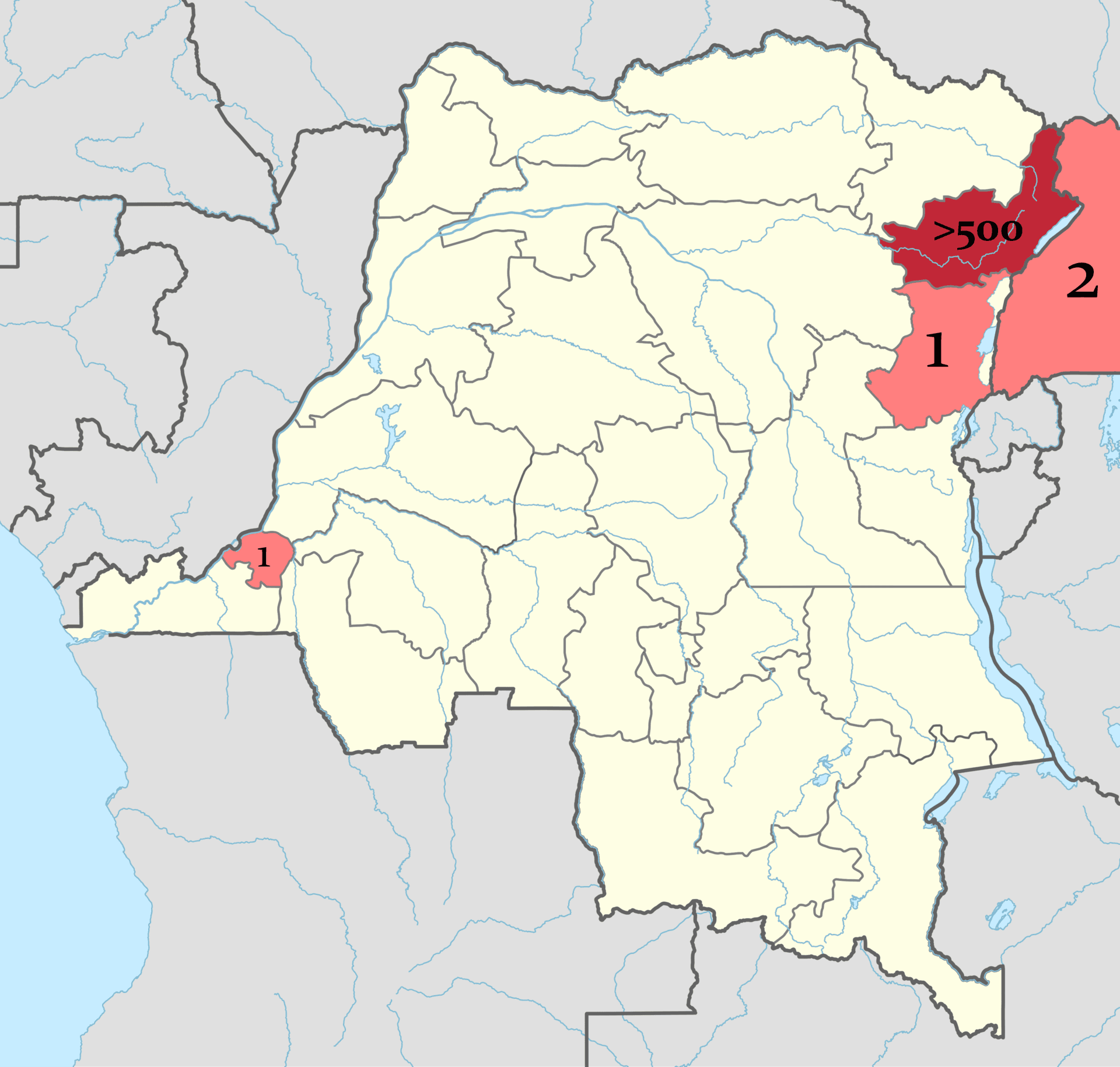
The Democratic Republic of the Congo officially declared its 17th Ebola outbreak on 15 May 2026 in Ituri province, and health authorities and the World Health Organization said it was caused by the Bundibugyo strain of Ebola. WHO said that strain has no approved vaccine or specific treatment. Two days later, on 17 May, WHO said the outbreak met the criteria for a Public Health Emergency of International Concern.
The first alarm had come on 5 May, when WHO received reports of an unknown illness with unusually high mortality in Mongbwalu Health Zone. Four health workers died within four days, a sign of how quickly the virus was moving through a fragile health system. By 16 May, WHO said Ituri had recorded eight laboratory-confirmed cases, 246 suspected cases and 80 suspected deaths across at least three health zones, including Bunia, Rwampara and Mongbwalu.
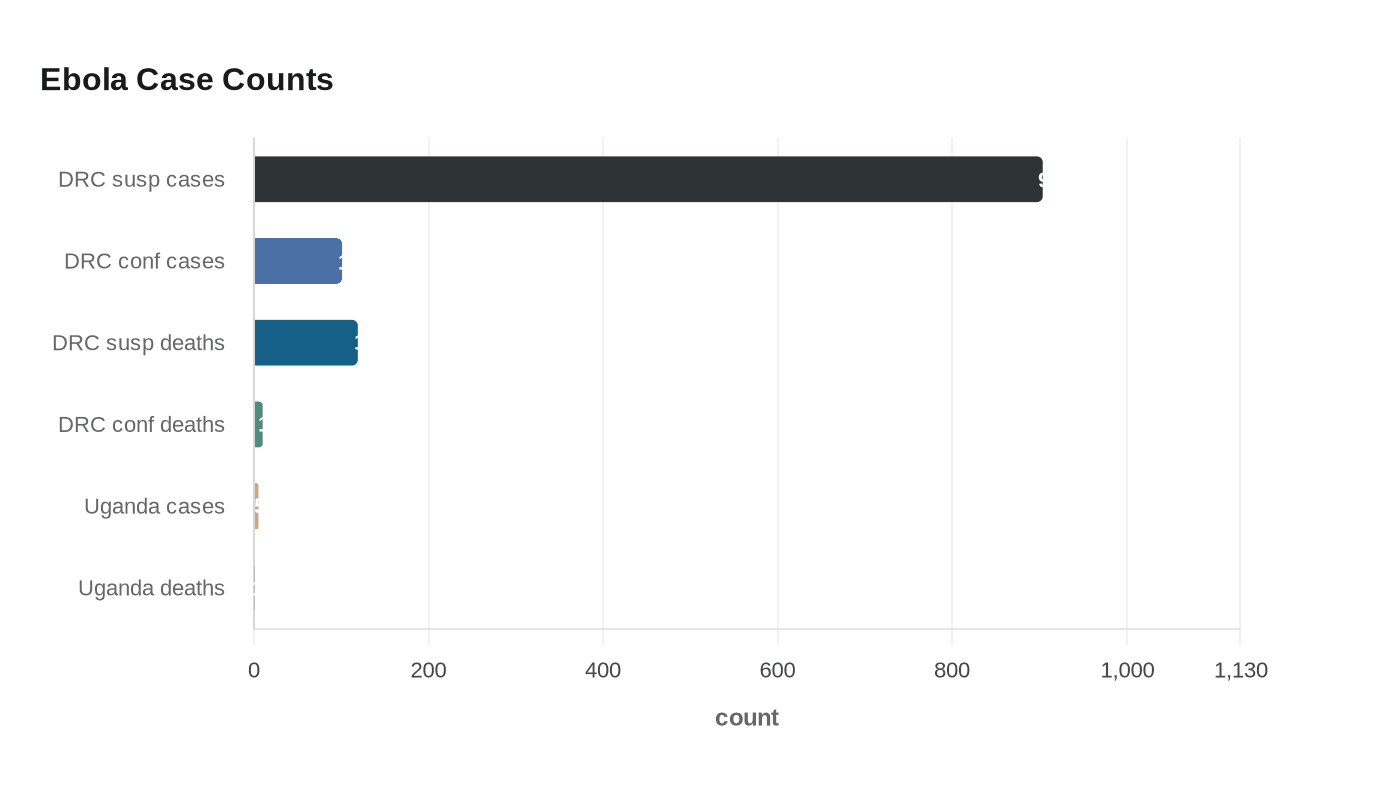
By 24 May, the Centers for Disease Control and Prevention said the outbreak had spread beyond Ituri into Nord-Kivu and Sud-Kivu, with 904 suspected cases, 101 confirmed cases, 119 suspected deaths and 10 confirmed deaths in the DRC. The CDC also reported five confirmed cases and one confirmed death in Uganda, underscoring how movement across the border has widened the response.
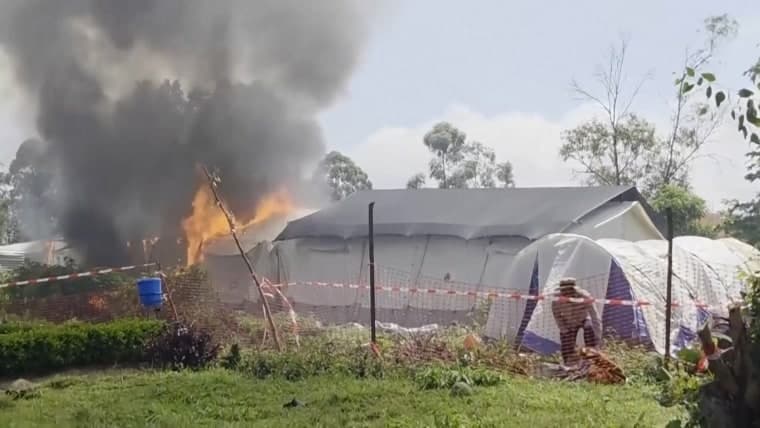
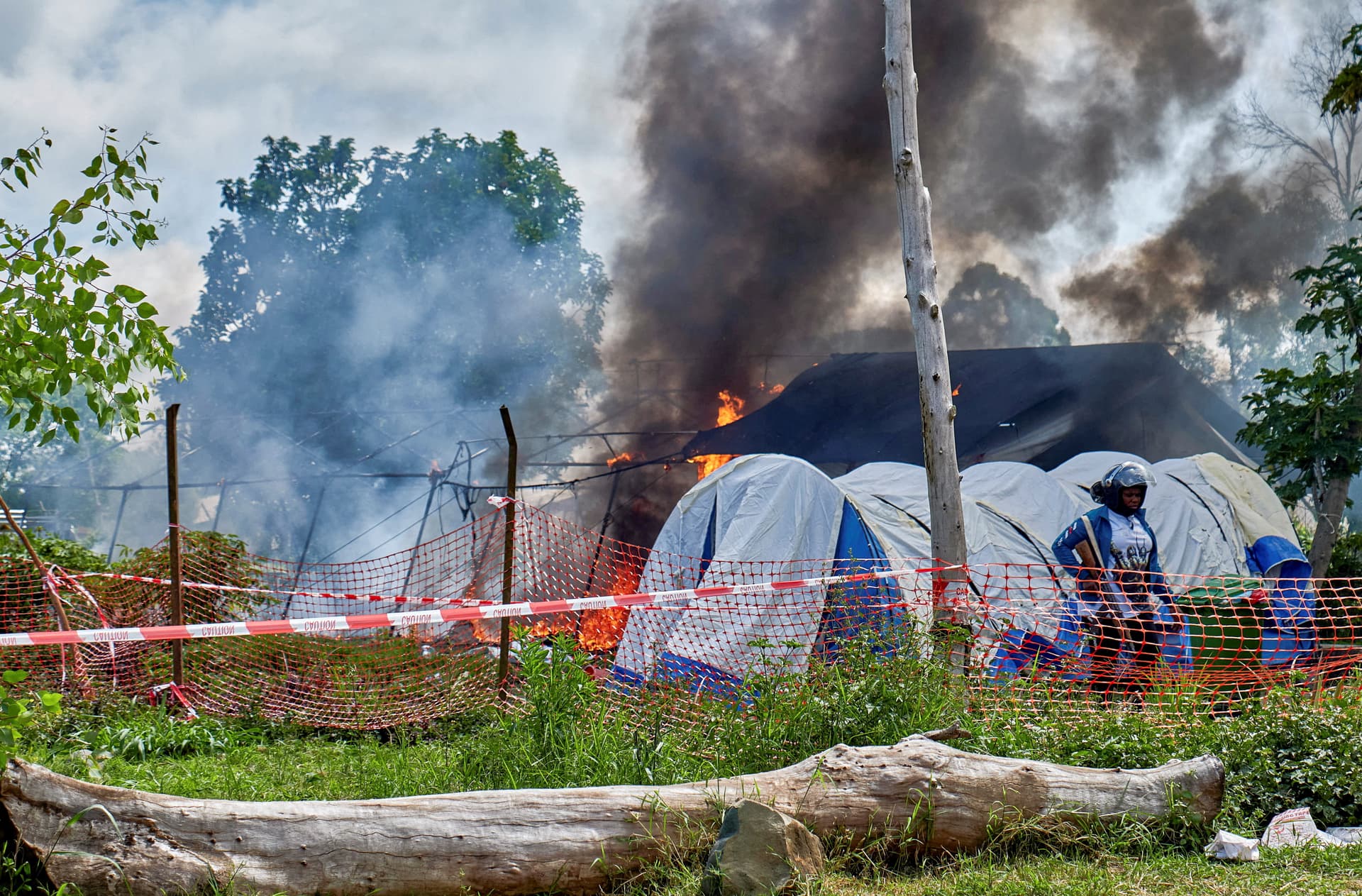
The clashes over burials became one of the clearest signs that public health teams are losing ground to local anger and grief. Authorities used tear gas and warning shots during the confrontations, then later fired shots in the air to disperse crowds. Reuters and the Associated Press reported that at least two tents used as isolation wards were burned, and some accounts said a body due for burial was destroyed in the attack.
That violence reflects a deeper problem for responders: Ebola control in eastern Congo depends on persuading families to accept procedures that often clash with funeral customs in a region already strained by conflict, displacement and limited medical resources. Bundibugyo Ebola was first identified in 2007 in Uganda’s Bundibugyo district, where 131 cases and 42 deaths were reported. In Congo now, the same strain is testing whether authorities can win trust quickly enough to contain the outbreak before fear and retaliation spread further.
Know something we missed? Have a correction or additional information?
Submit a Tip