NIH study explains why Ozempic weight loss often plateaus
Ozempic’s early weight loss often slows because semaglutide signals vary from neuron to neuron, and NIH scientists found one route to sustain that response.

Patients who see rapid early weight loss on Ozempic or Wegovy often hit the same wall: the pace slows, then flattens. New NIH research points to a cellular reason for that plateau, showing that semaglutide does not push every appetite-control neuron in the same way and that the brain’s response can fade over time rather than stay locked on.
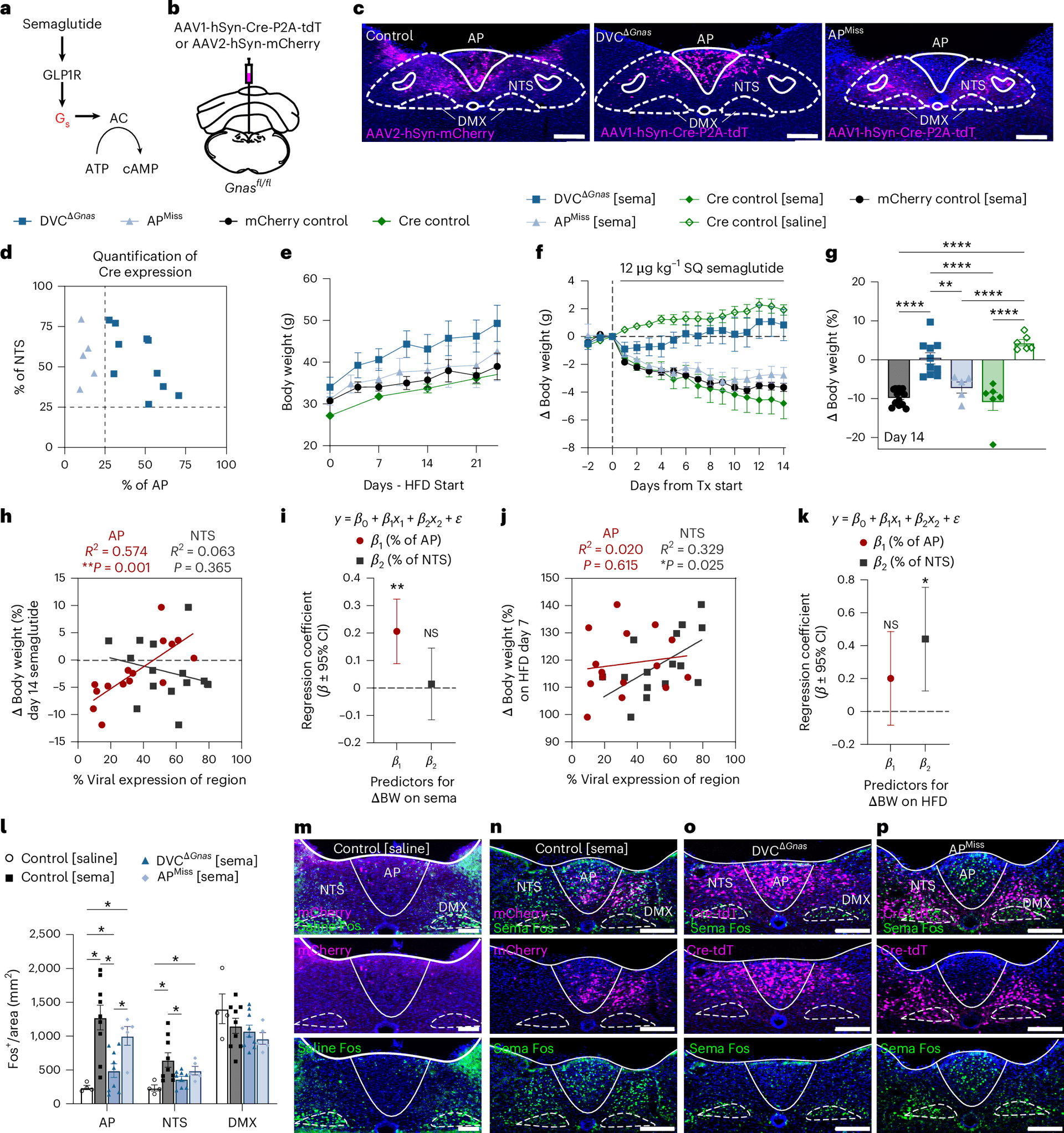
The work, published in Nature Metabolism and released by NIH on Friday, May 22, 2026, was done in mice and focused on the area postrema, a brain region involved in appetite regulation. Using fluorescence imaging on living brain tissue, researchers watched how semaglutide changed intracellular signaling and found that cyclic adenosine monophosphate, or cAMP, was central. The key detail was not just that cAMP mattered, but that it did so unevenly: some neurons kept elevated signaling, while others showed only a brief burst. NIH said the response varied across cells along a continuum rather than in an all-or-nothing pattern.

Andrew Lutas, a co-corresponding author from the National Institute of Diabetes and Digestive and Kidney Diseases, said, “We know much less about the nuts and bolts of what goes on within the neurons that these medications target,” adding that digging into the mechanisms is beginning to answer those questions. Michael Krashes, also a co-corresponding author at NIDDK, said the cAMP response was not uniform across cells. The practical implication is that plateauing may reflect biology inside the brain, not a simple failure of the drug.
NIH said some neurons appeared to blunt their response by internalizing or degrading GLP-1 receptors, which could help explain why the signal weakens. It also identified a possible way to stretch the effect: inhibiting PDE4 with roflumilast skewed neurons toward a more sustained cAMP response. That finding raises the possibility that future therapies could help patients maintain greater weight loss for longer periods and, eventually, reduce how often GLP-1 drugs need to be given.
The result fits what clinicians already see in long treatment courses. Wegovy’s weight-management studies were 68-week, randomized, double-blind, placebo-controlled trials, and the STEP 1 study found that once-weekly semaglutide 2.4 mg produced an average weight loss of 14.9% at week 68, compared with 2.4% for placebo. In that trial, 86.4% of participants lost at least 5% of body weight, 69.1% lost at least 10%, and 50.5% lost at least 15%.
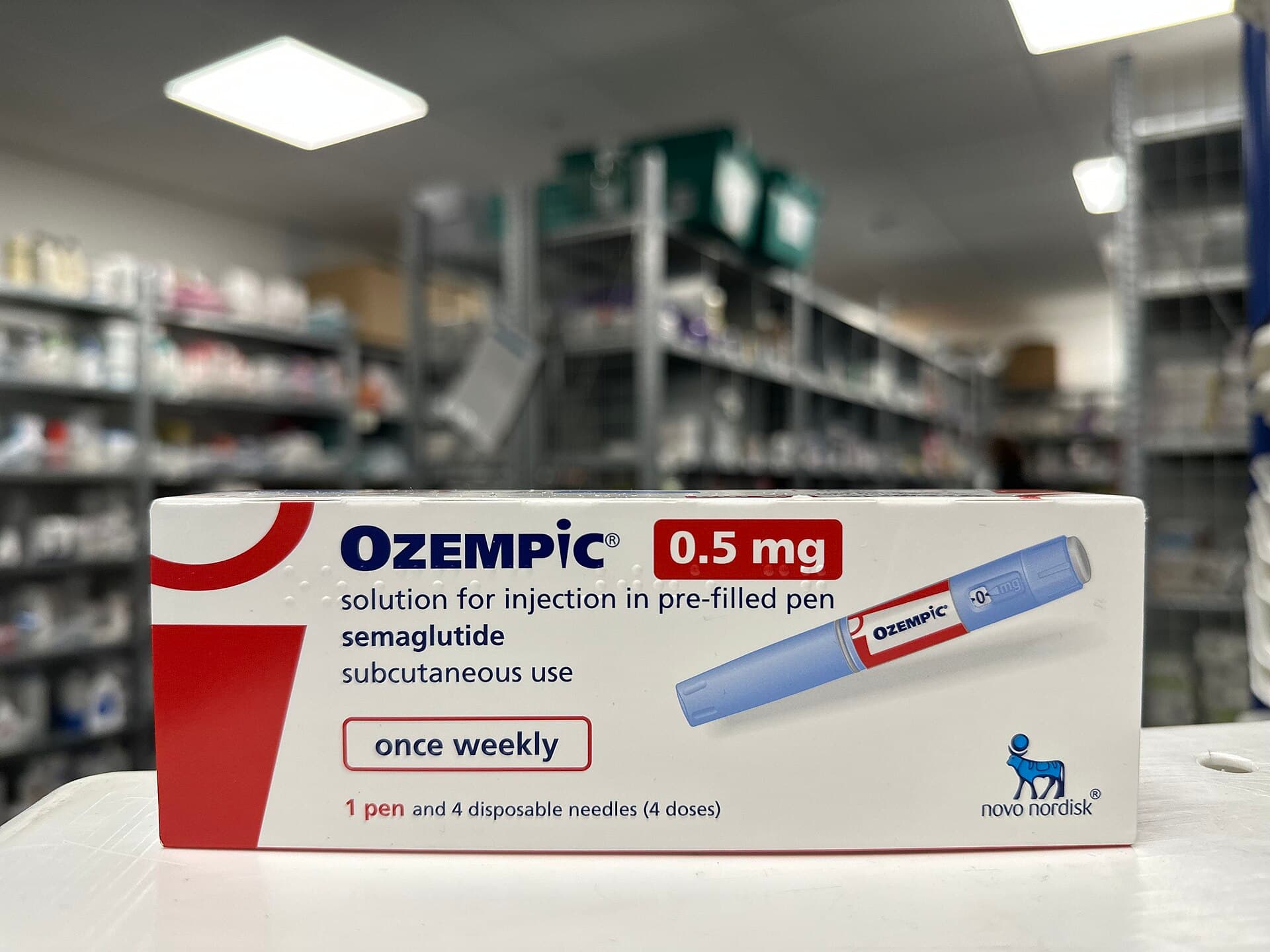
Semaglutide is the active ingredient in Wegovy for chronic weight management and in Ozempic for type 2 diabetes, and Wegovy is intended to be used with reduced calorie diet and increased physical activity. The new NIH findings suggest the familiar plateau is part of the long-term treatment story, and that the next generation of obesity medicines may be designed not just to start strong, but to keep the brain response going.
Know something we missed? Have a correction or additional information?
Submit a Tip