Ebola outbreak spreads in Congo as attacks target treatment centers
Clinics burned and patients fled as Ebola spread through Ituri, pushing Congo’s latest outbreak across borders and into a wider security crisis.
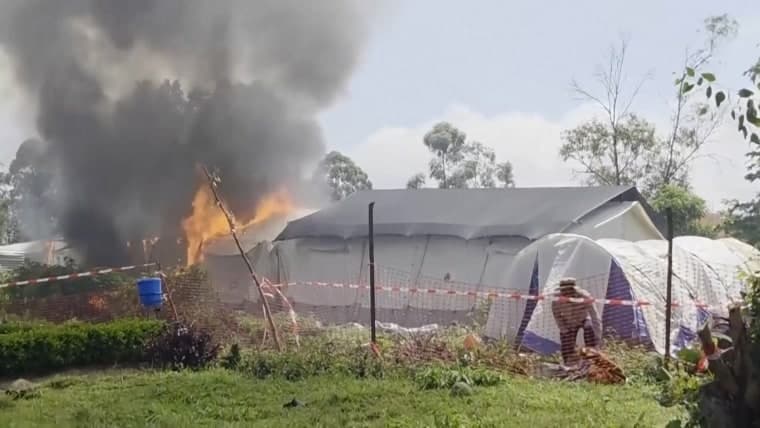
Ebola control in eastern Congo was colliding with violence from the start. Health workers in Ituri Province were treating patients while attacks on their own facilities forced people to flee, turning an outbreak of Bundibugyo ebolavirus into a test of security, trust and government capacity.
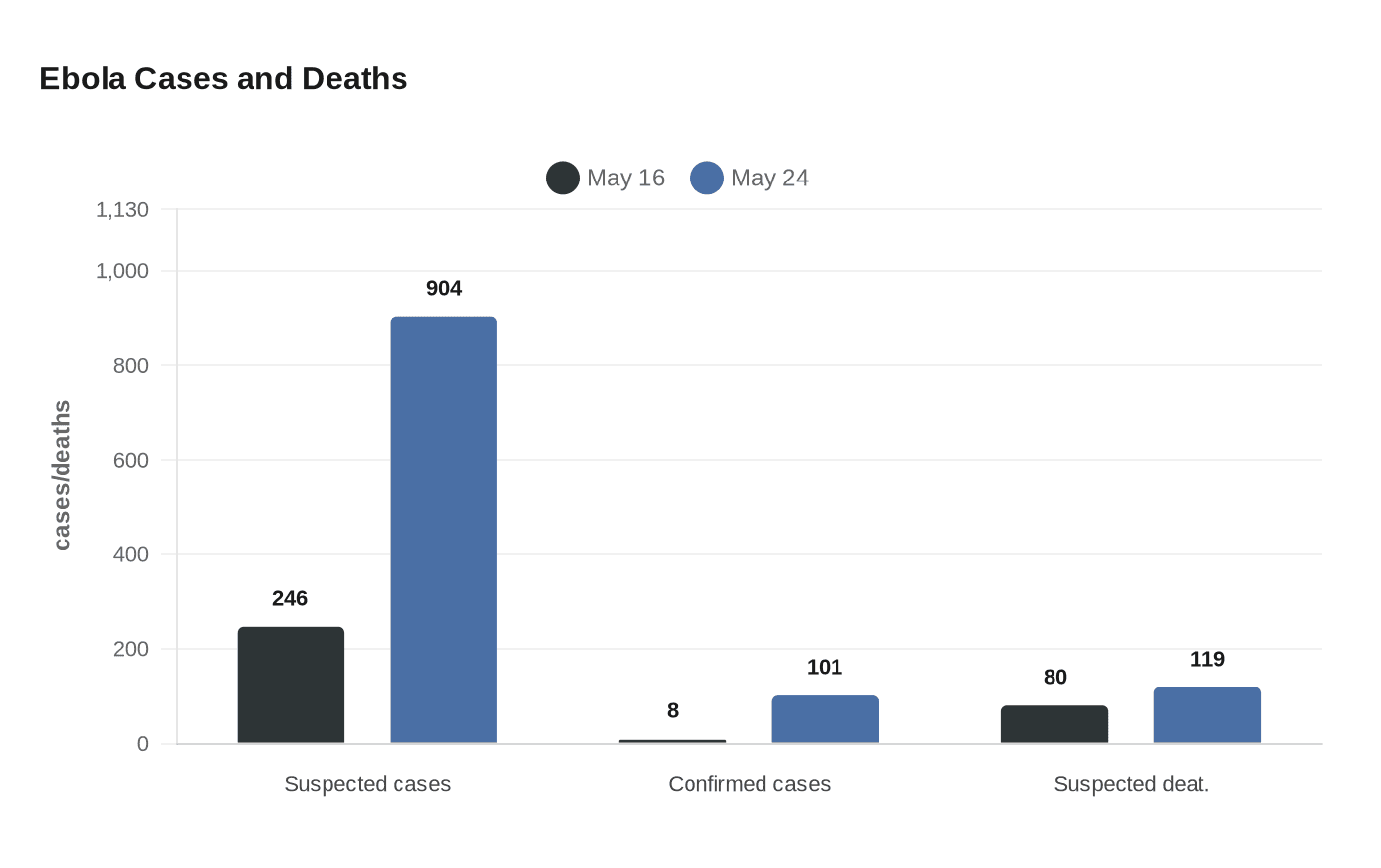
The Ministry of Health of the Democratic Republic of the Congo confirmed the outbreak on May 15 in Ituri, after an alert on May 5 in Mongbwalu health zone. By May 16, the World Health Organization had counted eight laboratory-confirmed cases, 246 suspected cases and 80 suspected deaths across at least three health zones: Bunia, Rwampara and Mongbwalu.
The numbers grew fast. By May 24, the Centers for Disease Control and Prevention said Congo had 904 suspected cases, 101 confirmed cases, 119 suspected deaths and 10 confirmed deaths. Uganda had also reported five confirmed cases and one confirmed death, showing the outbreak had already crossed an international border.
Global health authorities moved quickly. The World Health Organization declared the outbreak a Public Health Emergency of International Concern on May 17, and Africa CDC followed with a continental public health emergency declaration on May 18. Officials said the rare strain, Bundibugyo ebolavirus, was spreading in a conflict-affected area already strained by aid cuts and widespread mistrust of authorities.
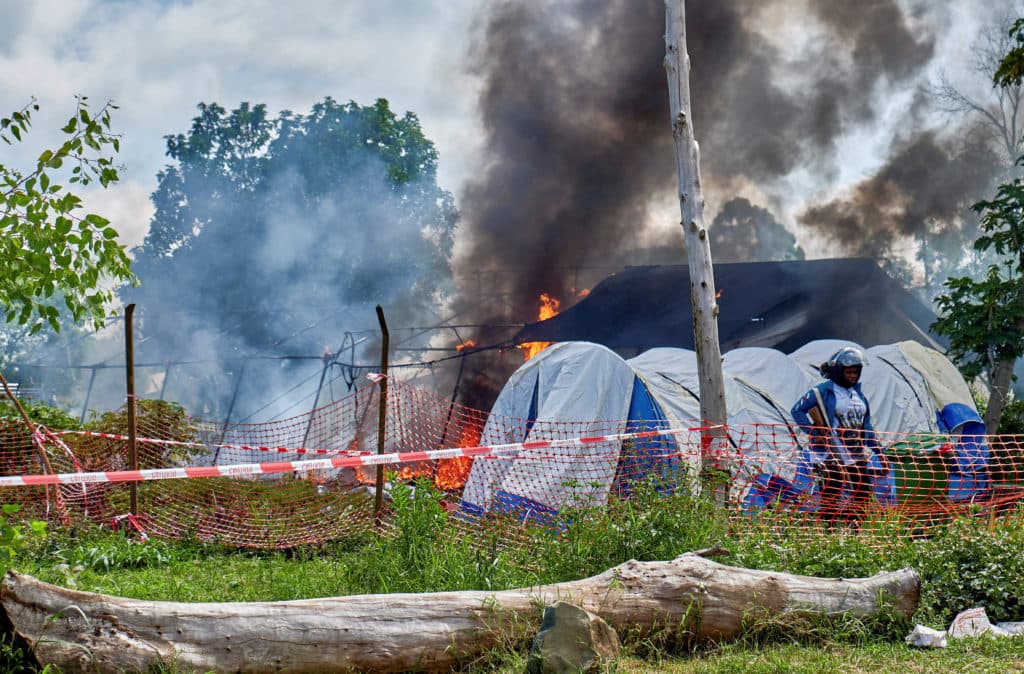
That insecurity was not abstract. At least three attacks on Ebola health facilities were reported in Ituri, including two at the same hospital over one weekend. In one incident, 18 suspected Ebola patients fled after a treatment tent was set on fire. In another, protesters burned Ebola treatment tents after authorities refused to release the body of a suspected Ebola victim for a traditional burial. Burials were later being carried out under armed escort, a sign of how deeply fear and violence had entered the response.
Health workers said anger, denial and local demands over burial practices were driving the attacks, while rebel activity, mass displacement and weak governance made containment harder. The pressure on clinics also echoed Congo’s 2018 to 2020 Ebola outbreak in the east, when violence against health facilities killed more than 25 health workers.
The latest figures suggested the crisis was no longer confined to one province or one country. With cases in Congo and Uganda, and treatment centers under attack, the outbreak had become a governance emergency as much as a medical one, exposing how quickly public health can collapse when insecurity drives patients away from care.
Know something we missed? Have a correction or additional information?
Submit a Tip