McGill scientists boost killer cells against hard-to-treat cancers
McGill researchers temporarily blocked two proteins to sharpen killer cells, slowing tumors in animals and pointing to an off-the-shelf therapy for stubborn cancers.
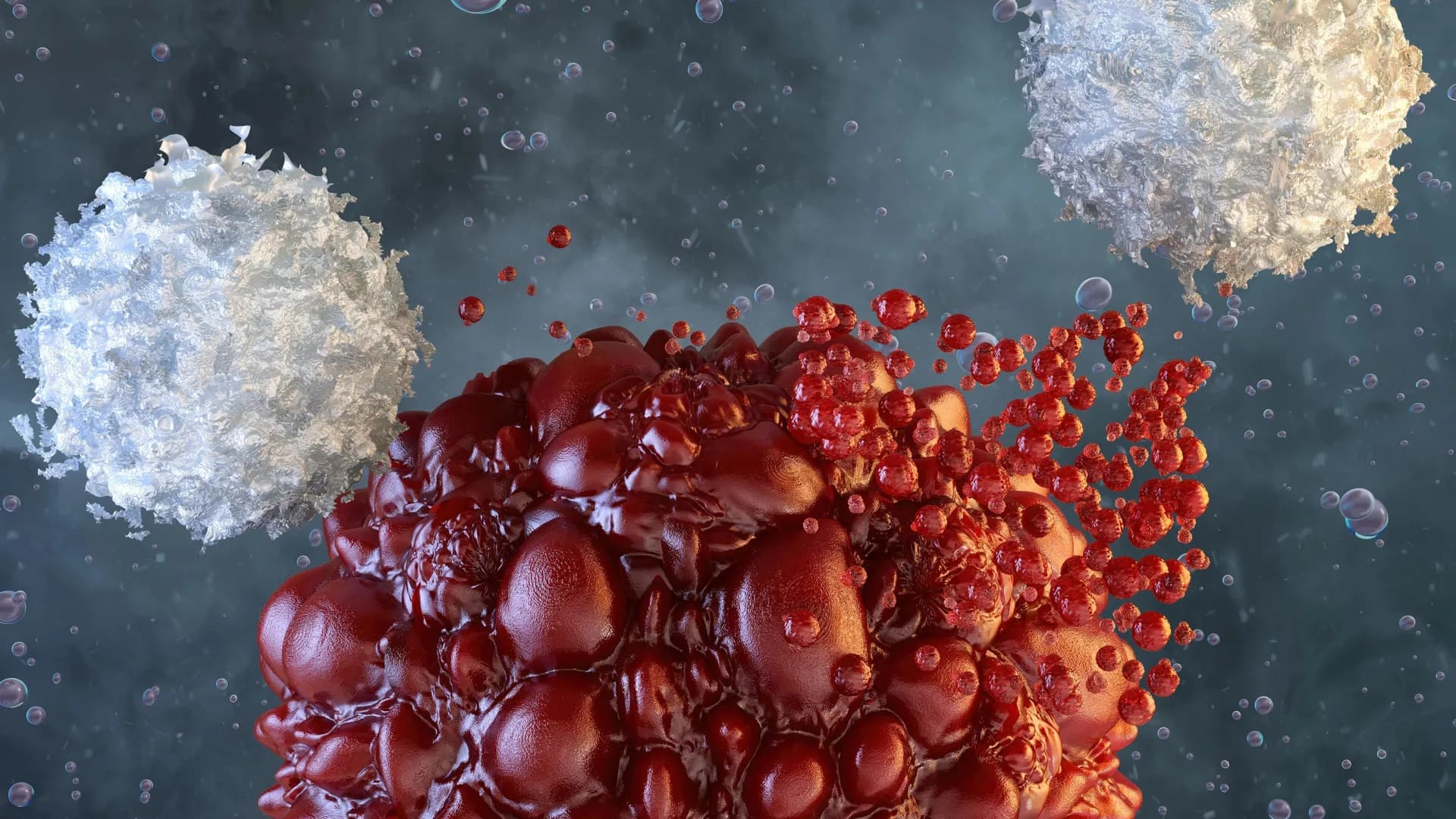
McGill University scientists have found a way to make natural killer cells far more aggressive against some of the toughest cancers to treat by temporarily blocking two proteins, PTPN1 and PTPN2. In preclinical experiments, the boosted cells killed leukemia, glioblastoma, kidney cancer and triple-negative breast cancer cells, and also slowed tumor growth in animal models.
The work points to a different path for immunotherapy. Instead of permanently editing immune cells, the McGill team used small-molecule drugs to switch down the two phosphatases for a limited time. The result was stronger NK-cell activity, with better IL-2 signaling and less of the tumor’s TGF-beta 1-driven suppression. That temporary approach could matter if it proves safer, simpler to control and easier to scale than more invasive gene-engineering methods.

The study, published in EMBO Reports in April 2026, was led by Chu-Han Feng with senior author Michel L. Tremblay. It was carried out at the Rosalind & Morris Goodman Cancer Institute and the Research Institute of the McGill University Health Centre in Montreal, where the cellular therapy work is tied to the institute’s Cellular Therapy Laboratory led by Pierre Laneuville and Linda Peltier.
A key part of the strategy is where the NK cells came from: donated umbilical cord blood. McGill says those cells can be cultured, banked and made ready for immediate use, rather than being customized from a patient’s own cells over several weeks. That off-the-shelf model could help lower some of the cost and production barriers that have slowed advanced cell therapies from reaching more patients.
The team now hopes to move toward clinical trials, with acute myeloid leukemia among the first cancers it wants to target. Those trials are still waiting on funding and regulatory approval. McGill says the work builds on a 2024 Genome Canada-funded program that provided $5.8 million to develop cord-blood NK-cell therapy, including methods for processing, storage, recovery and the documentation needed for Health Canada approval of phase I trials.
For cancers that resist standard treatment, the findings offer a plausible route to a more practical immunotherapy: not permanent reprogramming, but temporary, reversible tuning of the body’s own killer cells.
Know something we missed? Have a correction or additional information?
Submit a Tip