WHO warns Ebola and hantavirus outbreaks show pandemic risk remains
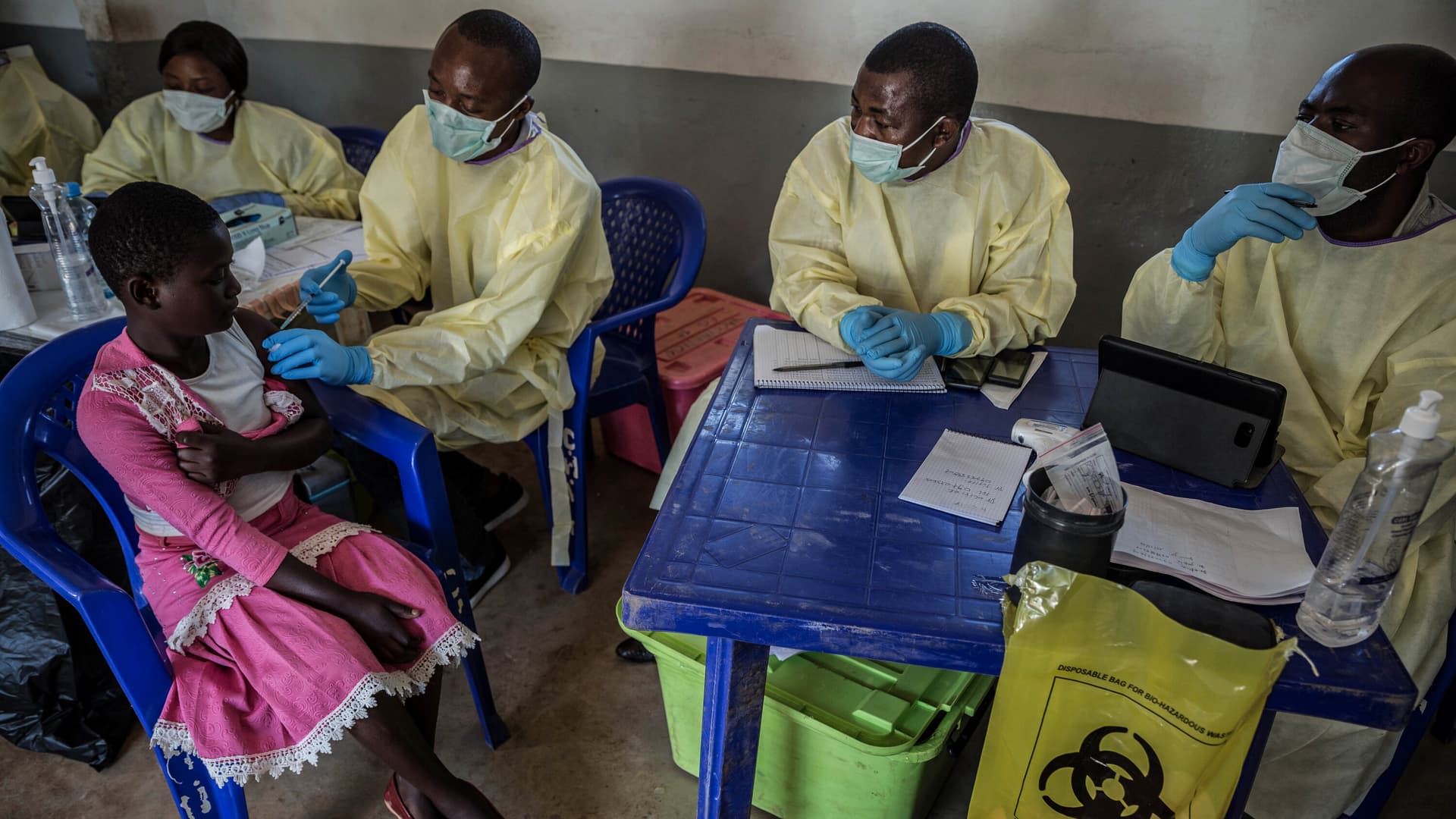
Ebola in Congo and Uganda, plus U.S. hantavirus warnings, showed how quickly outbreaks can expose the world’s thin margins.
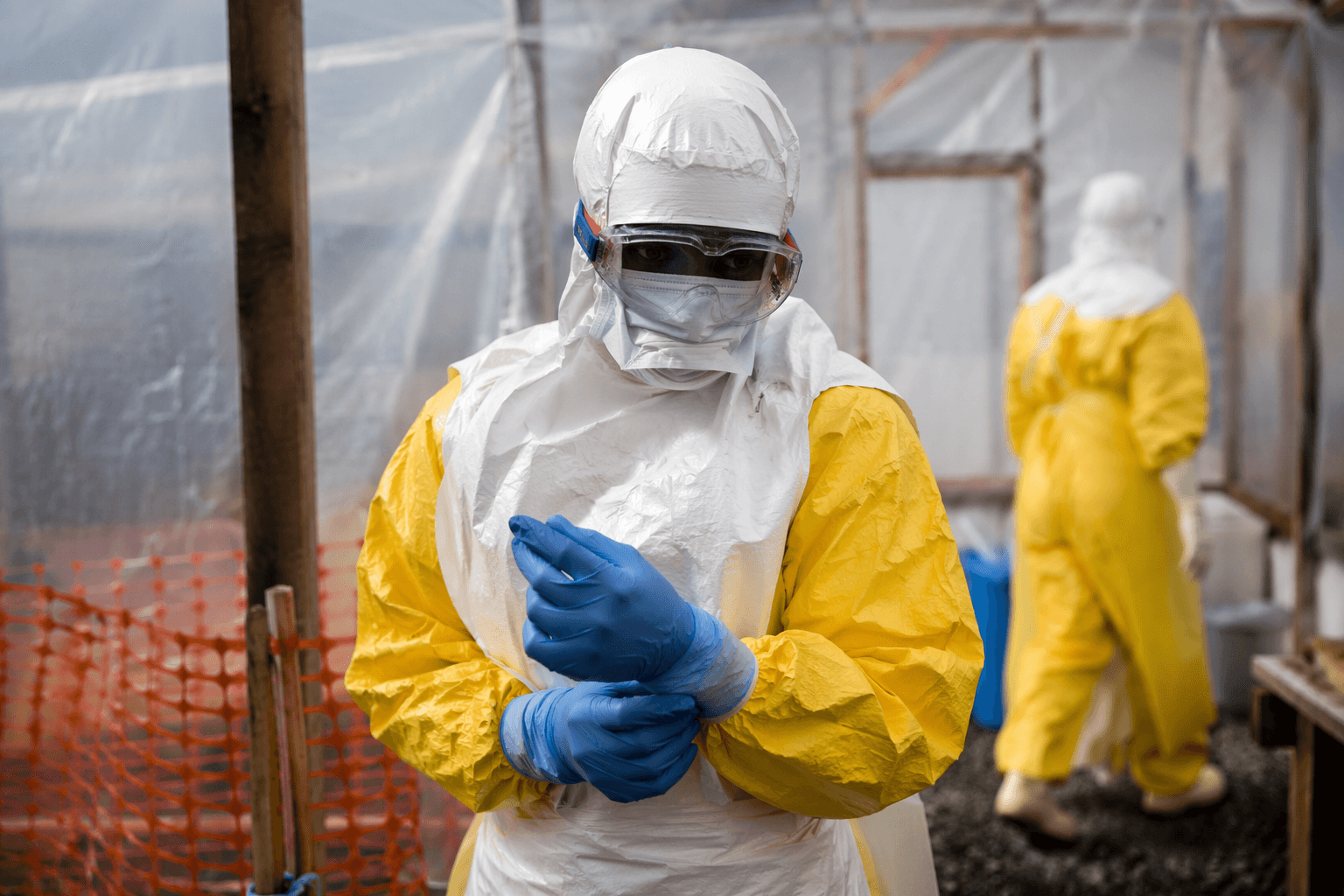
The latest Ebola flare-up in central Africa and renewed attention on hantavirus have put the global health system back under a stark test: whether it can detect outbreaks early, move countermeasures fast and coordinate across borders before local infections become international crises.
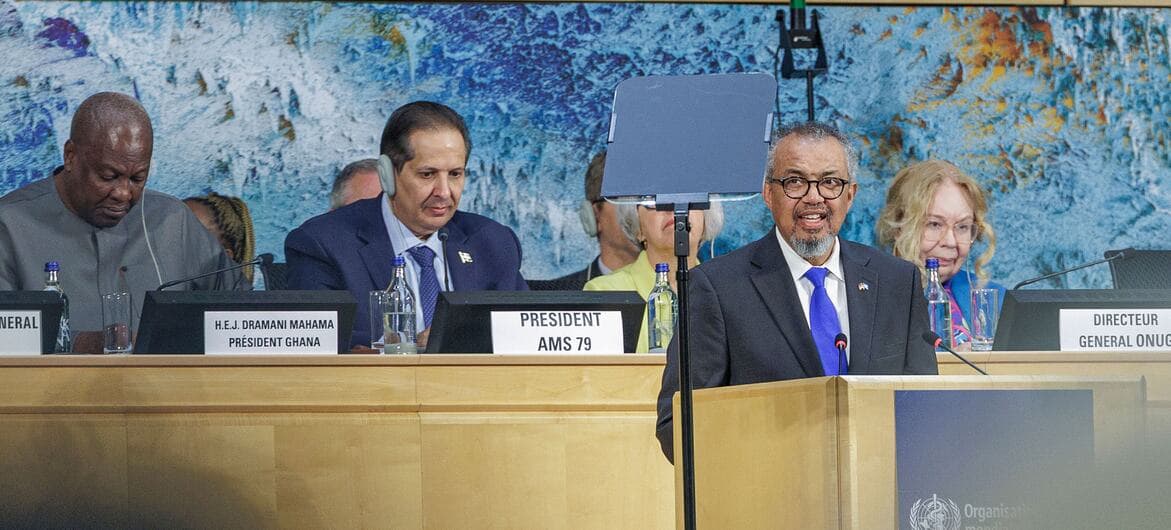
World Health Organization Director-General Tedros Adhanom Ghebreyesus warned at the close of the 79th World Health Assembly in Geneva on May 23, 2026, that recent Ebola and hantavirus outbreaks showed the world remained vulnerable to rapidly spreading infectious diseases. That warning came as WHO confirmed an Ebola outbreak in the Democratic Republic of the Congo and Uganda in May 2026, involving the Bundibugyo species of Ebola, for which the agency said there was no vaccine or specific treatment.
WHO said the outbreak unfolded in a difficult setting marked by humanitarian crisis, remoteness, population density and insecurity. The agency later declared it a public health emergency of international concern after the virus killed nearly 90 people and spread across multiple regions, including cross-border infections and suspected cases in major cities. For health officials, those details matter because they show how quickly a regional outbreak can outrun local controls when surveillance, transport and response systems are strained at the same time.
Hantavirus carries a different lesson, but one with the same policy edge. The Centers for Disease Control and Prevention said U.S. hantavirus disease surveillance began in 1993 during an outbreak of severe respiratory illness in the Four Corners region of Arizona, Colorado, New Mexico and Utah. Hantavirus pulmonary syndrome became a nationally notifiable disease in 1995, a reminder that the United States has long treated unusual clusters as signals to watch closely, not as isolated events to dismiss.
The broader preparedness architecture has also changed, at least on paper. WHO member states adopted the Pandemic Agreement on May 20, 2025, in a step the agency said was meant to strengthen pandemic prevention, preparedness and response. In June 2024, World Health Assembly members also agreed on amendments to the International Health Regulations to enhance global epidemic and pandemic preparedness; those changes are set to come into force on September 19, 2025.
The question now is whether those rules will translate into faster reporting, better coordination and more equitable access to countermeasures when the next outbreak hits. The Global Preparedness Monitoring Board said in its 2026 report, A World on the Edge: Priorities for a Pandemic-Resilient Future, that infectious disease outbreaks are becoming more frequent. Ebola’s spread through the Congo and Uganda, paired with the long memory of hantavirus in the United States, suggests the next crisis will test the same weak points first: surveillance, cross-border coordination and the ability to deliver protection before an outbreak hardens into a pandemic.
Know something we missed? Have a correction or additional information?
Submit a Tip