Ebola death toll rises to 220 as 11 countries face risk
Ebola deaths reached 220 as 11 countries moved into preparedness mode, with 2,200 contacts tracked across eastern Congo’s outbreak zones.
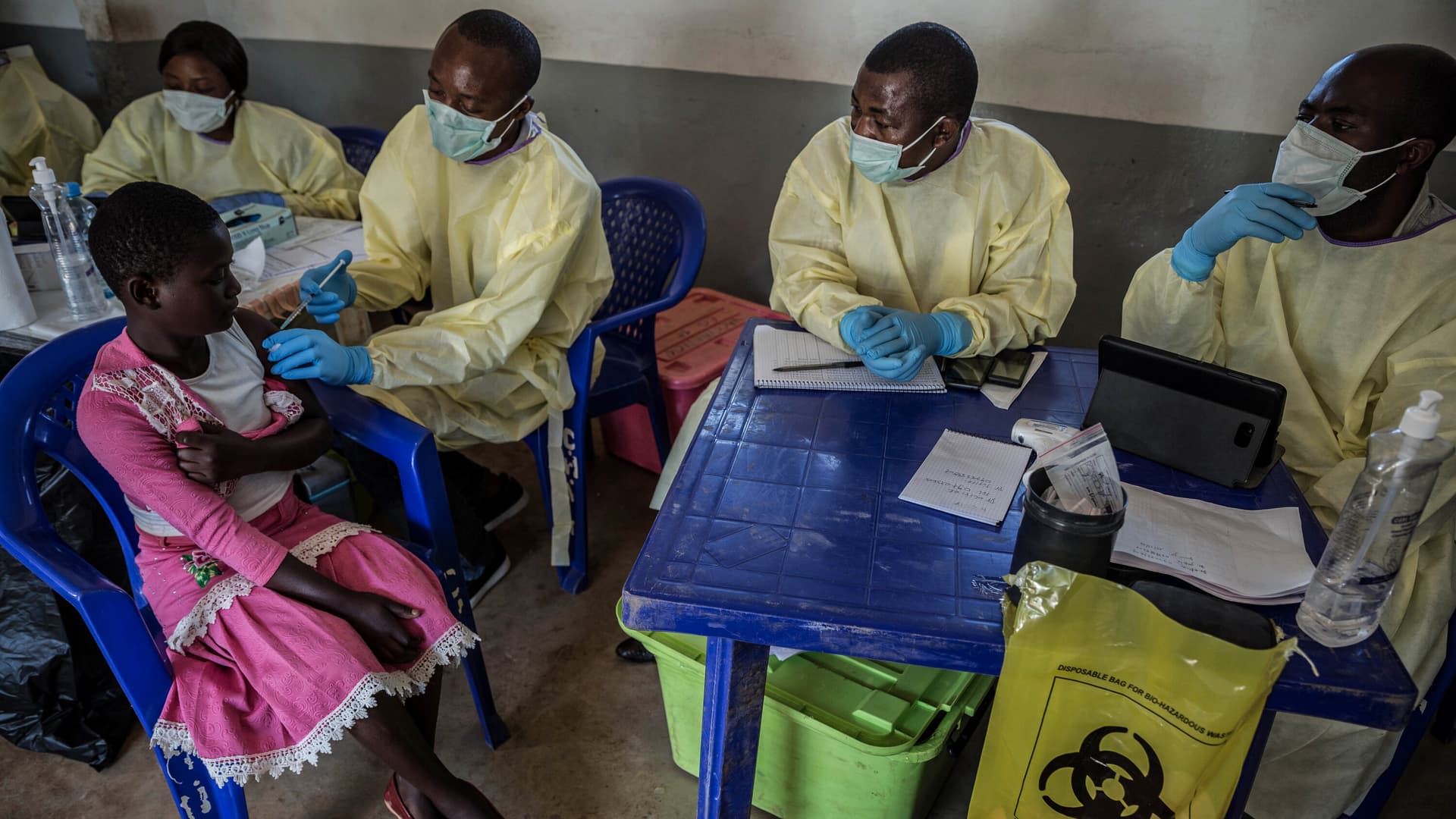
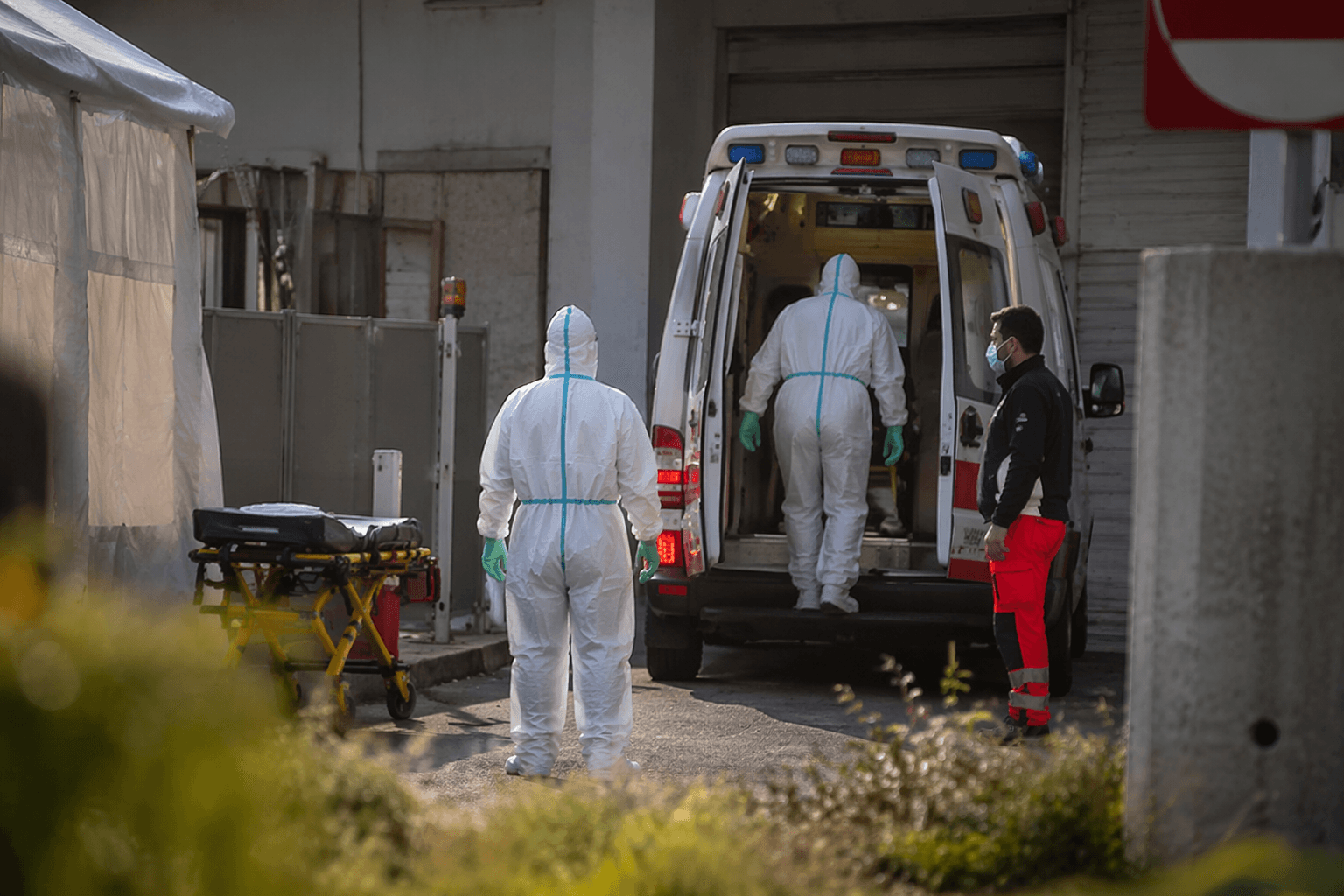
Ebola’s death toll climbed to 220 as the outbreak in eastern Democratic Republic of Congo pushed far beyond the local epicenter, forcing 11 countries to prepare for spillover through border screening, contact tracing, vaccine supply and hospital readiness. The crisis has been intensified by insecurity, population movement, community mistrust and porous frontiers that let a regional outbreak become a cross-border emergency.
World Health Organization figures showed the scale of the response burden: 101 confirmed infections, 930 suspected cases and 221 suspected deaths, with more than 2,200 contacts identified across 11 affected health zones. That is what “11 countries at risk” means in practice. It is not a theoretical warning. It means health ministries in neighboring states have to watch travelers, isolate suspected cases quickly, keep treatment units ready and make sure teams can trace every exposed contact before the virus moves again.
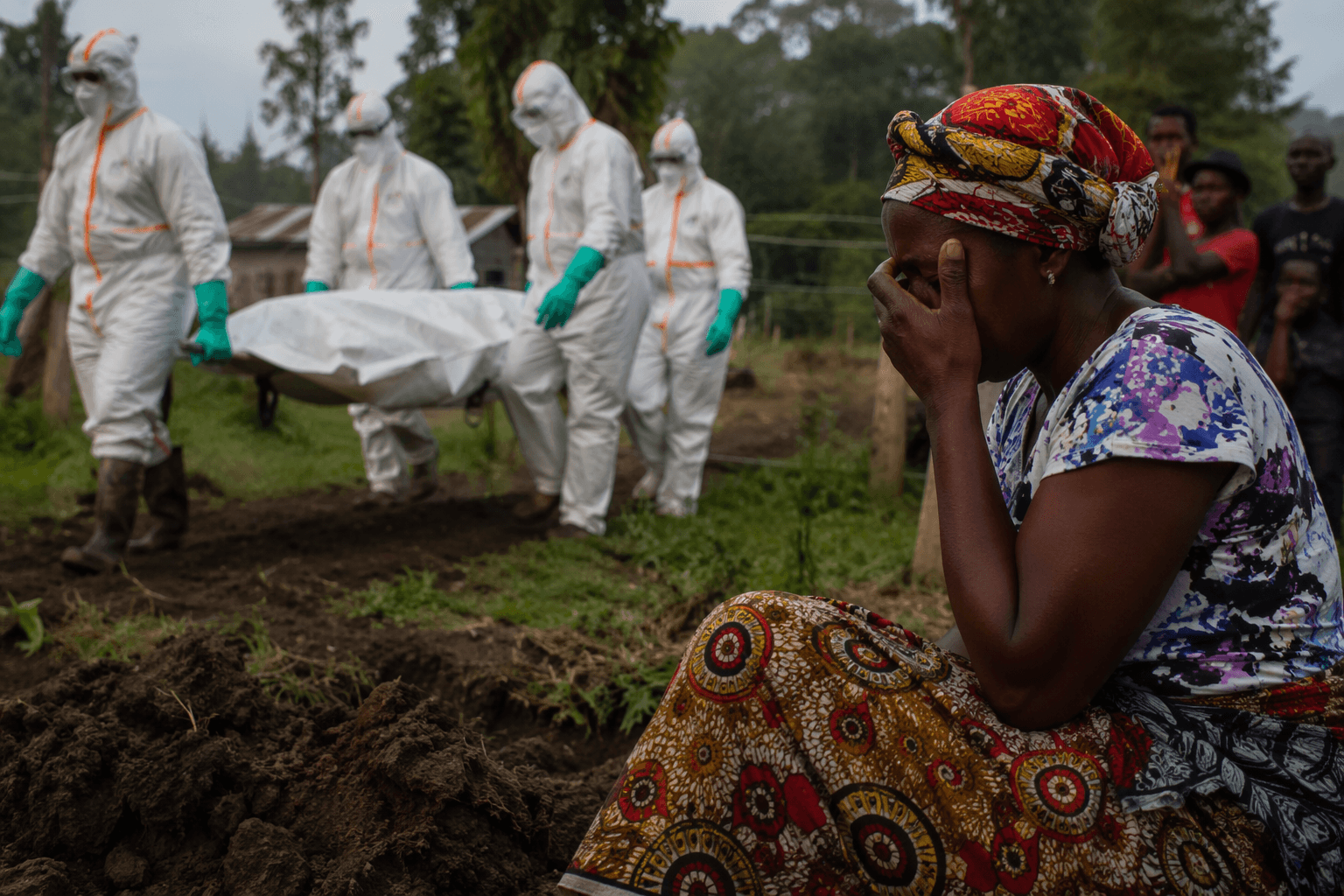
The outbreak was centered in North Kivu and Ituri, where attacks on treatment centers and deep mistrust of responders made containment harder. On April 12, 2019, the World Health Organization said the outbreak did not yet meet the threshold for a Public Health Emergency of International Concern. By April 18, new cases had been reported in 57 health areas across 11 health zones in the previous 21 days, showing how quickly the virus was moving through a limited but widening geography.
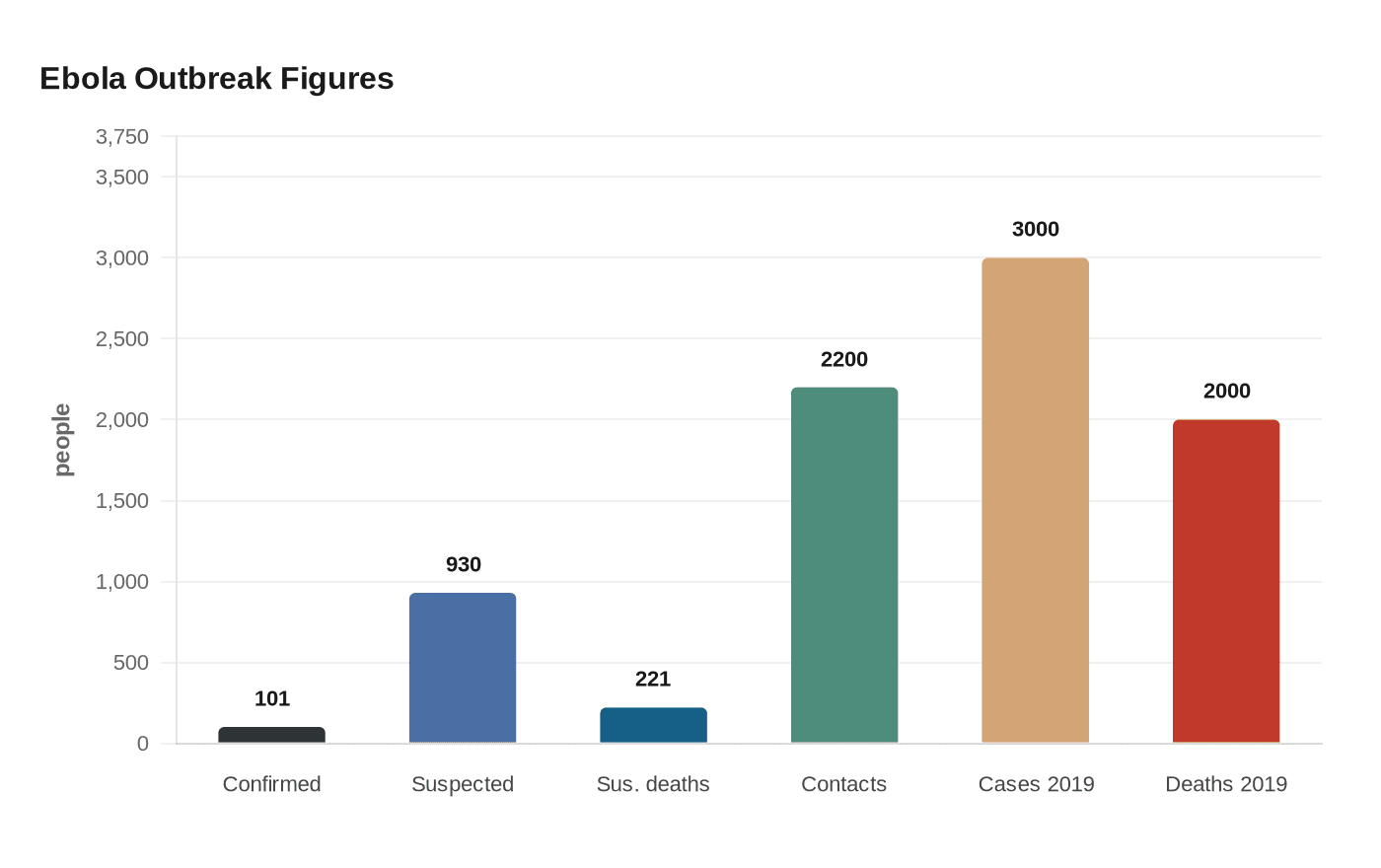
The outbreak later became the world’s second-largest and deadliest Ebola outbreak on record, and the first in an active conflict zone. By 2019, the World Health Organization and UNICEF said it had surpassed 3,000 confirmed cases and caused more than 2,000 deaths. A later World Health Organization situation report said preparedness concerns stretched across neighboring states, with 12.5 million people at risk in Burundi, Rwanda, South Sudan and Uganda.
The regional stakes also reached Angola, the Central African Republic, the Republic of Congo, Tanzania and Zambia, where public health agencies were expected to stay ready for screening and rapid response. U.S. officials said no Ebola cases linked to the outbreak had been reported in the United States, and the general public risk remained low, but the episode underscored how quickly conflict, displacement and travel can turn one outbreak into a test of international preparedness.
Know something we missed? Have a correction or additional information?
Submit a Tip