Italy monitors possible Ebola case after Uganda aid workers hospitalized
Two aid workers from the Como area were isolated in Milan after returning from Uganda, then tested negative for Ebola, easing a scare that triggered rapid health surveillance.
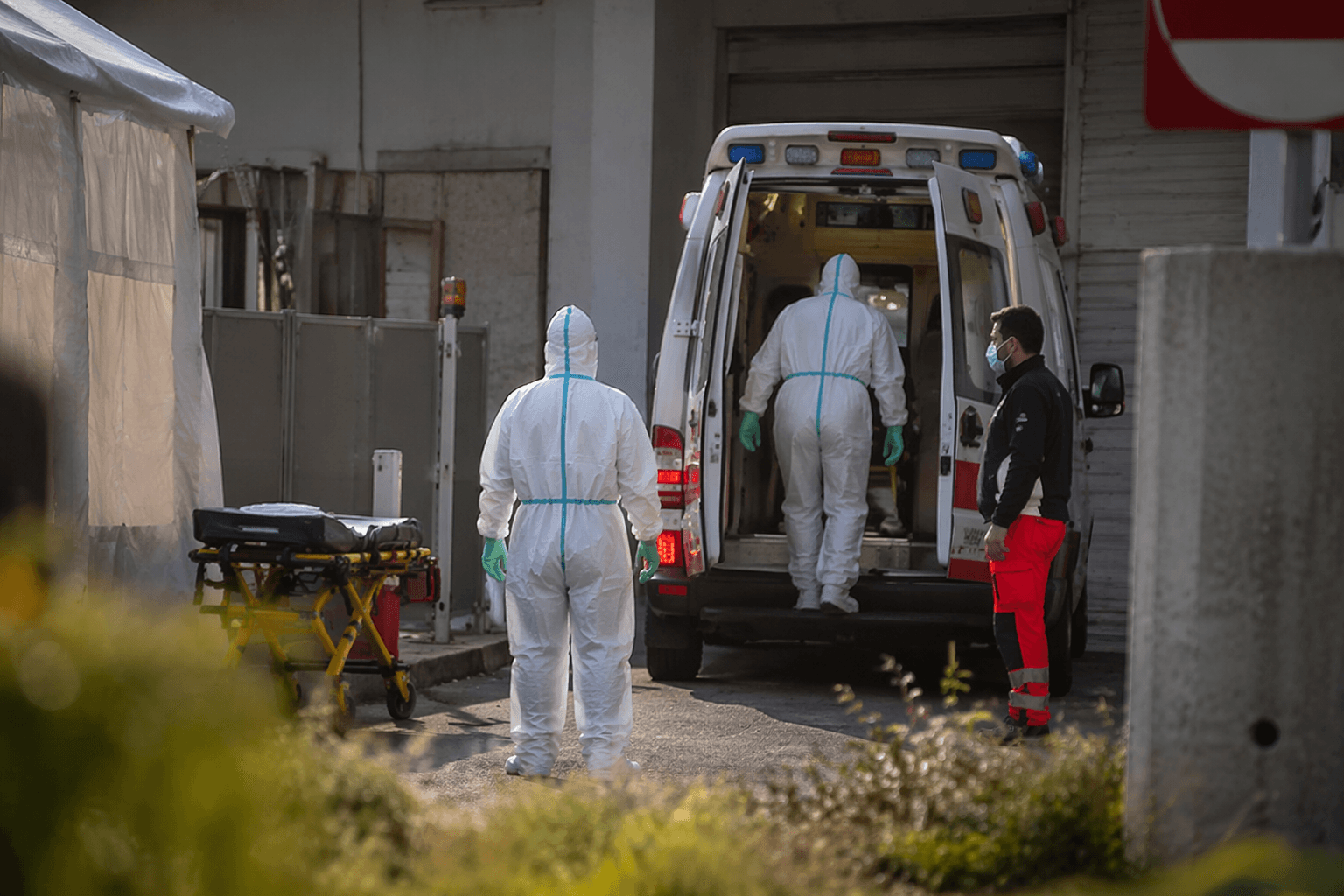
Italian health authorities moved fast when two aid workers who had recently returned from Uganda were hospitalized in Milan with symptoms that raised concern about Ebola. The man and woman, both from the Como area in Lombardy, were taken to Sacco Hospital, a center used for high-risk infectious diseases, after developing high fever, vomiting, nausea, chills and other signs that fit a serious viral infection.
The response was immediate. Relatives were monitored, specialist protocols were activated and laboratory tests were rushed to determine whether the illness was Ebola or another disease. By the end of the day, the tests came back negative, lowering the alarm and shifting attention toward other possible explanations, including a bacterial infection or a different non-Ebola illness. Italian officials said the public risk remained very low.
The episode showed how European health systems handle a suspected case before panic can spread: isolate the patient, identify close contacts, test quickly and communicate enough to calm the public without underplaying the threat. In Lombardy, that process unfolded around two people who had worked in a region tied to an active Ebola outbreak in Africa, making the precautionary response unavoidable even though the diagnosis was not confirmed.
The scare came just days after Italy’s Health Ministry issued a circular on May 18, 2026, activating health surveillance for personnel, including NGO staff and cooperants, working in Ebola-affected areas in the Democratic Republic of Congo and Uganda. The ministry said the measures covered people involved in healthcare, assistance or logistics, with advance reporting and screening procedures for returnees.
Italy’s ministry also published Ebola FAQs on May 22 to explain symptoms, risk groups and prevention measures. Its Ebola page says the disease is rare but severe, first identified in 1976 during simultaneous outbreaks in what are now South Sudan and the Democratic Republic of Congo. The ministry notes that early intensive care, including rehydration and treatment of symptoms, can improve survival.
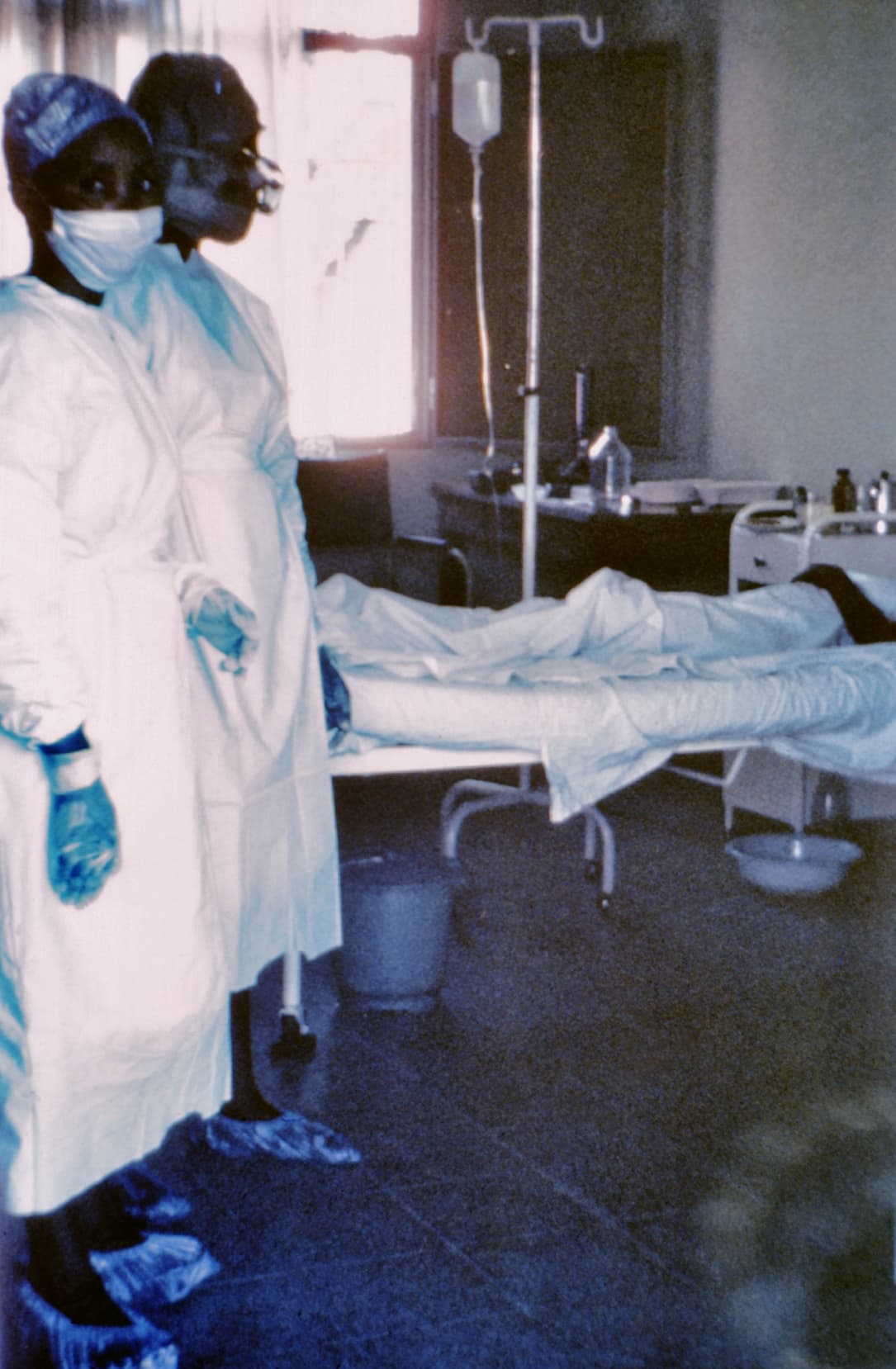
The wider outbreak context remains serious. On May 19, ANSA reported that the World Health Organization Emergency Committee was convened because Ebola in the Democratic Republic of Congo and Uganda had caused 131 deaths and 513 suspected cases. The current event is linked to the Bundibugyo strain, and Italian authorities say there is no approved vaccine or treatment for that form, which is why surveillance and rapid isolation were triggered so quickly in Milan.
Know something we missed? Have a correction or additional information?
Submit a Tip