Congo creates cobalt reserve to tighten control over global supply
Congo put 10% of its cobalt output under state control, creating a reserve that can be released to steady prices and pressure miners on quotas.
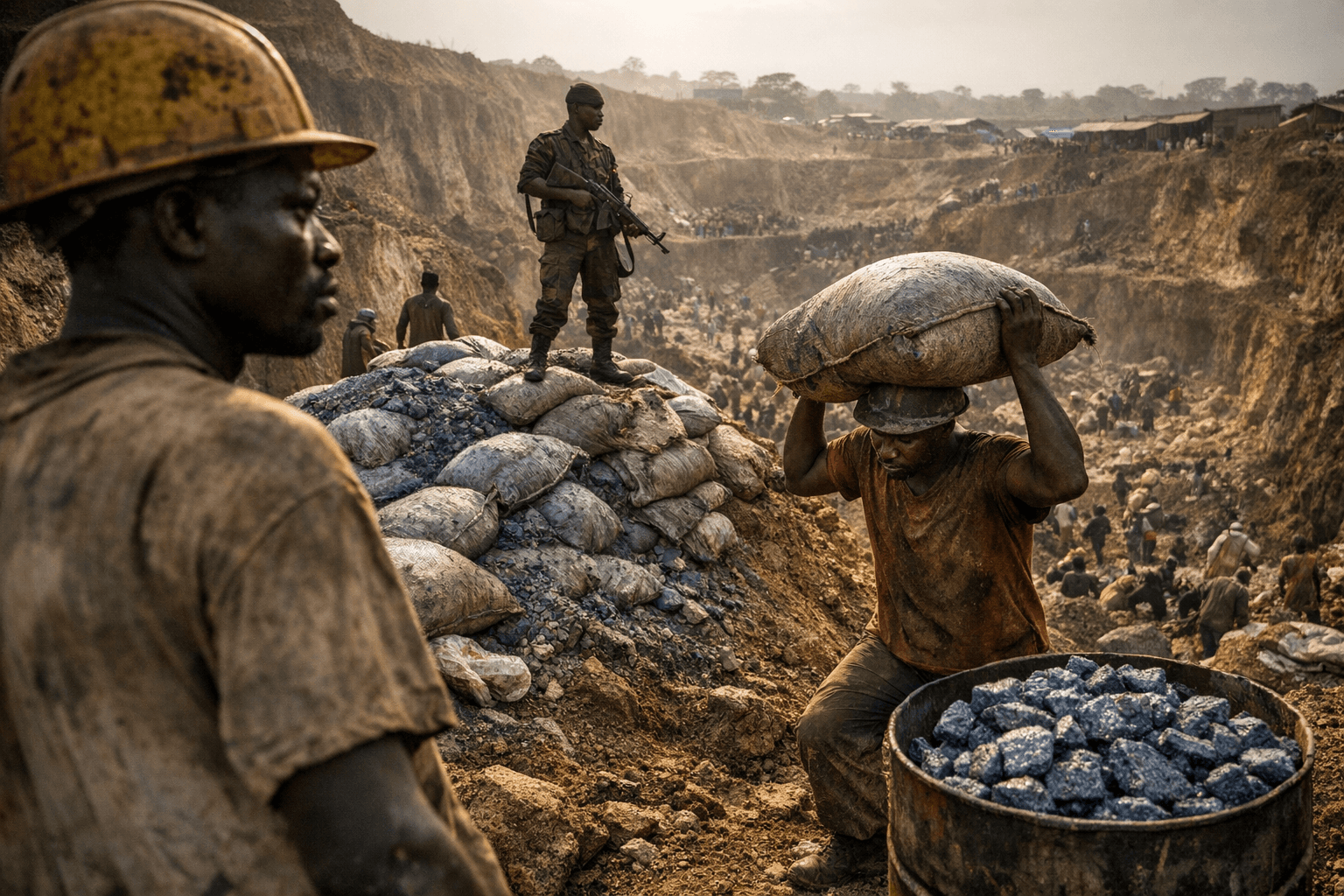
Congo has given itself a sharper weapon in the cobalt market, setting up a strategic reserve that can absorb metal, enforce export discipline and, if needed, help steer prices in a sector the country already dominates.
A cabinet decree adopted on April 10 placed the reserve under ARECOMS, the state minerals regulator, which is now authorized to acquire, hold and market strategic minerals. The reserve will cover cobalt and other critical minerals, not cobalt alone, expanding Kinshasa’s reach over a supply chain that runs from Congo’s mines to battery plants, electric-vehicle factories and commodity desks around the world.
The move builds on a shift Congo made after a months-long export ban early last year, when the government replaced the freeze with a quota system in October 2025 after prices fell amid oversupply. Under that framework, 10% of national cobalt export volumes has been reserved for strategic use by the state, equal to about 9,600 metric tons in 2026. The reserve is designed to catch unused quota volumes and give the government a backstop if the market weakens again.
That backstop matters because Congo remains the world’s largest cobalt producer and accounted for about 70% of global supply last year. Reuters-linked figures show Congo shipped about 48,800 metric tons of cobalt in the first quarter of 2026, sharply below the roughly 123,000 metric tons shipped in the same period a year earlier, when exporters rushed material out before the freeze. The tighter flow has already changed the rhythm of the market, and the new reserve gives the state another way to manage supply rather than simply shutting it off.
ARECOMS said the reserve would let the state intervene in a targeted way in available quantities of strategic mineral substances to maintain the balance of the international market and strengthen economic sovereignty. Cobalt, coltan and germanium were already designated strategic minerals under a 2018 decree, and the new reserve extends that framework into a more active market-management tool.
Companies that failed to ship their fourth-quarter 2025 quotas by April 30 and first-quarter 2026 quotas by June 30 will lose those allocations to the reserve. That puts pressure on major operators including CMOC, Glencore, Eurasian Resources Group, Huayou and Sicomines, and signals that Kinshasa wants to turn mineral dominance into pricing power. For battery makers and automakers, the policy raises the prospect of tighter supply and more volatile input costs. For Western governments racing to secure critical-minerals chains, Congo has made clear that access to cobalt will increasingly run through its political and economic leverage.
This article was produced by Prism’s automated news system from verified source data, official records, and press releases, then run through automated quality and moderation checks before publishing. The system is built and supervised by the people who set the standards it runs under. Read our full AI policy.
Did this article answer your question?