Congo Ebola outbreak spreads to Uganda, 246 cases reported
Ebola Bundibugyo had crossed from eastern Congo into Uganda, with 246 suspected cases and 80 deaths heightening fears of a wider regional spread.

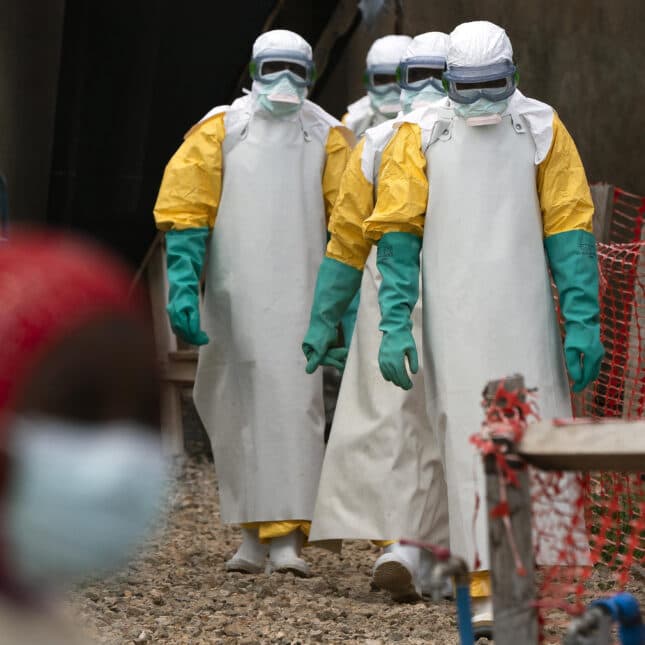
An Ebola outbreak in eastern Democratic Republic of Congo had already crossed a border that health authorities know is hard to police. Africa CDC said about 246 suspected cases had been reported in Ituri province, while Congo’s health ministry said 80 people had died and eight confirmed cases had been identified.
The outbreak was confirmed as Ebola Bundibugyo virus disease after preliminary laboratory testing detected the virus in 13 of 20 samples tested. Most suspected cases and deaths were clustered in Mongwalu and Rwampara health zones, with additional suspected cases reported in Bunia, the provincial capital near the Uganda border. The World Health Organization said it was rapidly scaling up support as the response expanded.
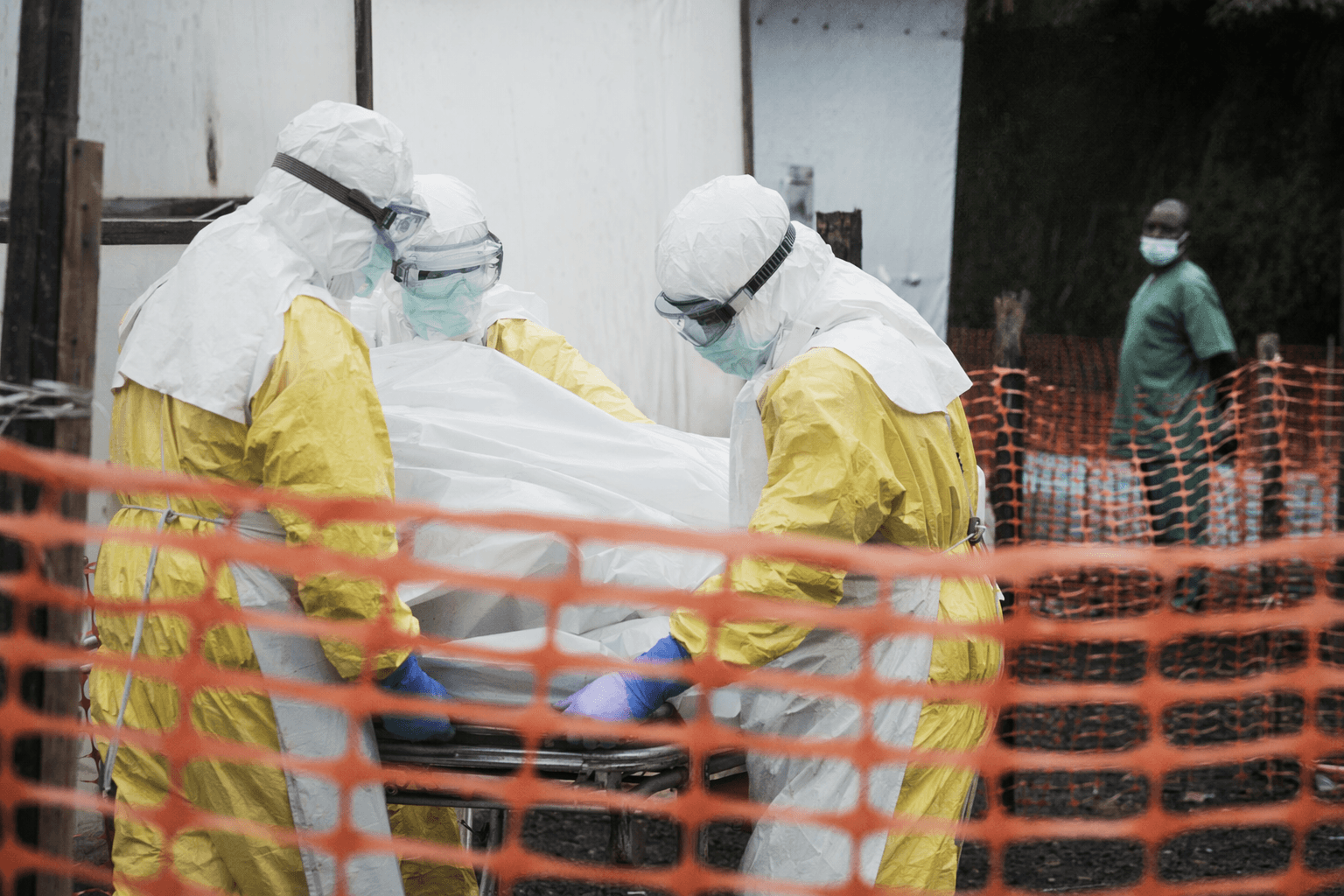
Uganda later confirmed an imported Ebola case after a 59-year-old Congolese man died in Kampala. He had been admitted to Kibuli Muslim Hospital on May 11, 2026, and Ugandan health officials said the infection was imported rather than locally transmitted. The cross-border case sharpened concern that the virus was moving along the same routes used every day by traders, families and displaced people between eastern Congo and Uganda.
Africa CDC said it was convening an urgent regional coordination meeting with Congo, Uganda, South Sudan and partners, a sign that the response was already being treated as a regional security and public health problem. The agency warned that intense population movement and insecurity could complicate containment, and those risks are acute in eastern Congo, where armed conflict and militia activity make surveillance, contact tracing and case isolation much harder.

This was Congo’s 17th recorded Ebola outbreak since the virus was first identified in 1976, and it came about five months after the previous outbreak was declared over in December 2025. That earlier outbreak, centered in Kasai Province, ended after 42 days without new cases. The latest flare-up, by contrast, emerged in a border region with weak access, active insecurity and immediate links to another country, making the stakes much higher than the raw death toll alone suggested.

For health authorities, the central question was whether the outbreak could be contained faster than the country’s last series of flare-ups. The answer will depend on whether Congo and its neighbors can keep pace with movement across the border, rebuild trust in affected communities and deliver rapid surveillance in places where armed violence has already narrowed the margin for error.
Know something we missed? Have a correction or additional information?
Submit a Tip