Congress cedes power as public trust in lawmakers hits record lows
Congress holds the purse and war powers, yet shutdowns, record-low approval, and executive overreach show lawmakers giving away leverage.

Congress still holds the Constitution’s clearest tools of power: writing laws, declaring war, raising armies, regulating commerce, and controlling appropriations. But when budget fights drag into shutdowns and presidents step into the vacuum, citizens see a legislature that can block government more easily than it can run it.
The powers Congress already has
Article I of the U.S. Constitution vests legislative power in Congress, and Cornell Law School’s Article I overview describes that as the blueprint for the legislative branch. The design is not vague: lawmakers are supposed to make the laws, decide whether the nation goes to war, and decide how federal money is spent. When those powers go unused or are deferred to the executive branch, the result is not just institutional frustration, but a transfer of practical authority away from elected legislators.
That transfer has been building for years. Congress created the Congressional Budget and Impoundment Control Act in 1974 to limit presidential impoundment of funds, after presidents had tried to hold back money that lawmakers had approved. It passed alongside the War Powers Resolution of 1973, which was meant to reassert Congress’s role in decisions about military action after Vietnam-era fears about expanding presidential war-making power. The fact that both laws were needed shows how much pressure the executive branch had already put on Article I powers.
How reform once pulled power back, and why that matters now
The post-Watergate and post-Vietnam reforms matter because they show Congress was once willing to defend its own authority with major legislation. The budget law and the War Powers Resolution were not symbolic gestures; they were attempts to restore control over spending and war, two of the branch’s most consequential powers. In that sense, they offer a contrast with the present, where lawmakers often appear more comfortable using deadlines, standoffs, and procedural brinkmanship than sustained lawmaking.
That difference is part of today’s gridlock problem. Recent analysis has described Congress as shrinking from its own authority while presidents continue to expand executive power, a pattern that turns temporary political fights into lasting institutional change. The more Congress fails to act on budgets, war powers, and oversight, the more the White House gains room to decide what gets done.
Shutdowns turn paralysis into daily governance failures
The consequences are visible in the federal budget process. A 2025 funding lapse became the longest government shutdown in U.S. history, a milestone that shows how routine appropriations have become hostage to partisan deadlock. Instead of passing budgets on time, lawmakers have too often pushed the country toward last-minute brinkmanship, leaving citizens to absorb the costs of federal uncertainty.
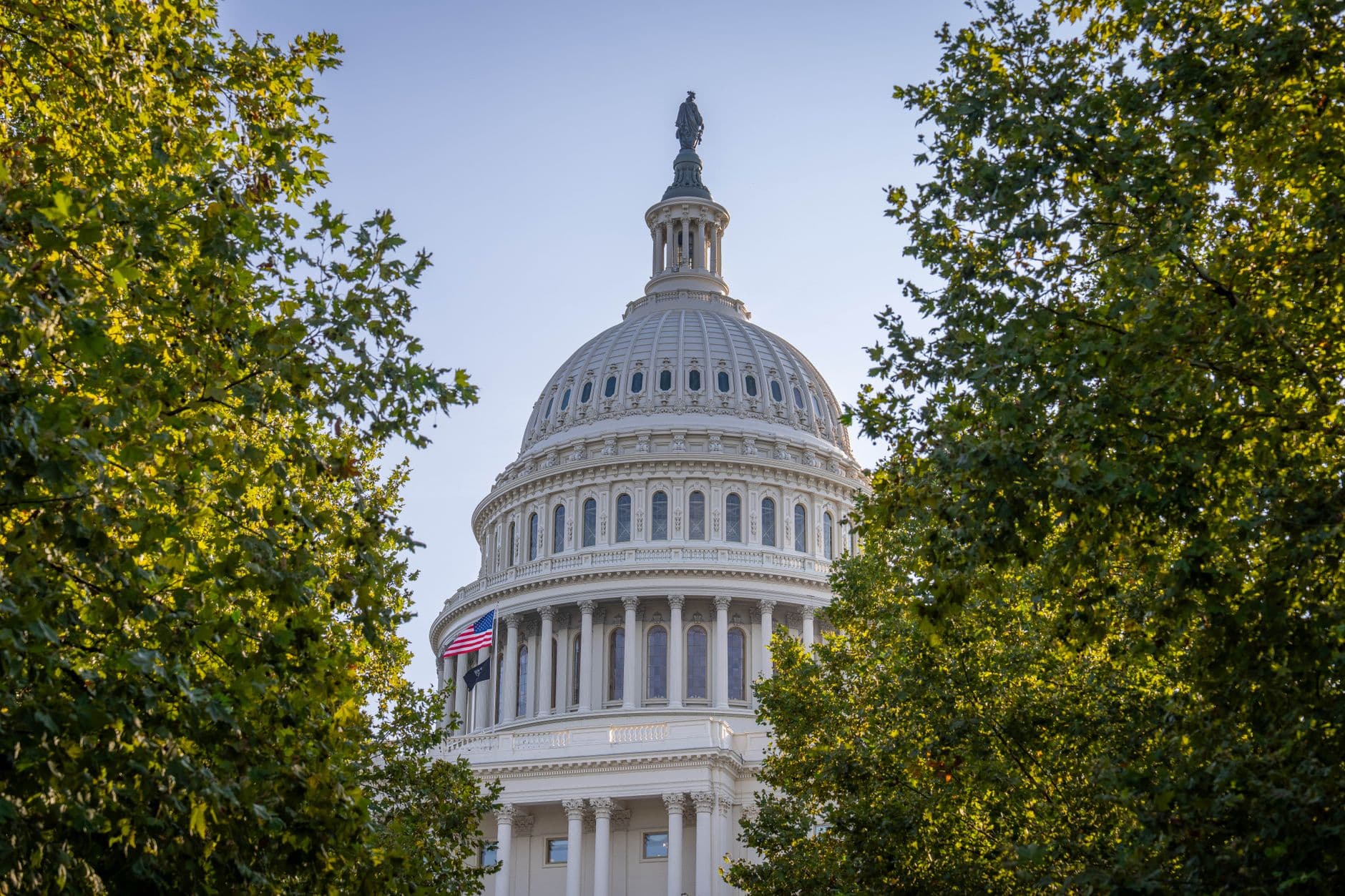
Public opinion during that shutdown showed how little confidence voters had in Capitol Hill’s ability to resolve the crisis. A Quinnipiac University poll on Oct. 22, 2025 found that 45% of registered voters blamed Republicans in Congress for the shutdown, 39% blamed Democrats in Congress, and 11% said both parties were equally responsible. Navigator Research also tracked the shutdown as it became the longest in U.S. history, with blame remaining fixed on President Donald Trump and congressional Republicans. That mix of answers reflects a public that sees a governing failure, not a policy debate.
Public trust has collapsed alongside congressional output
Gallup’s long-running approval series places Congress in especially bleak territory. Its latest figures show 10% approval and 86% disapproval, tying a record high disapproval level. Gallup has also described congressional approval as near an all-time low in 2025-2026 polling, and it has noted record party gaps in job approval for Congress and the Supreme Court.
Those numbers matter because Congress is supposed to be the branch closest to public accountability. Instead, it has become one of the least popular institutions in Washington, and its low standing has become a regular marker of broader dissatisfaction with government itself. When approval collapses to this degree, every fight over funding, subpoenas, war powers, or oversight starts from a position of public distrust.
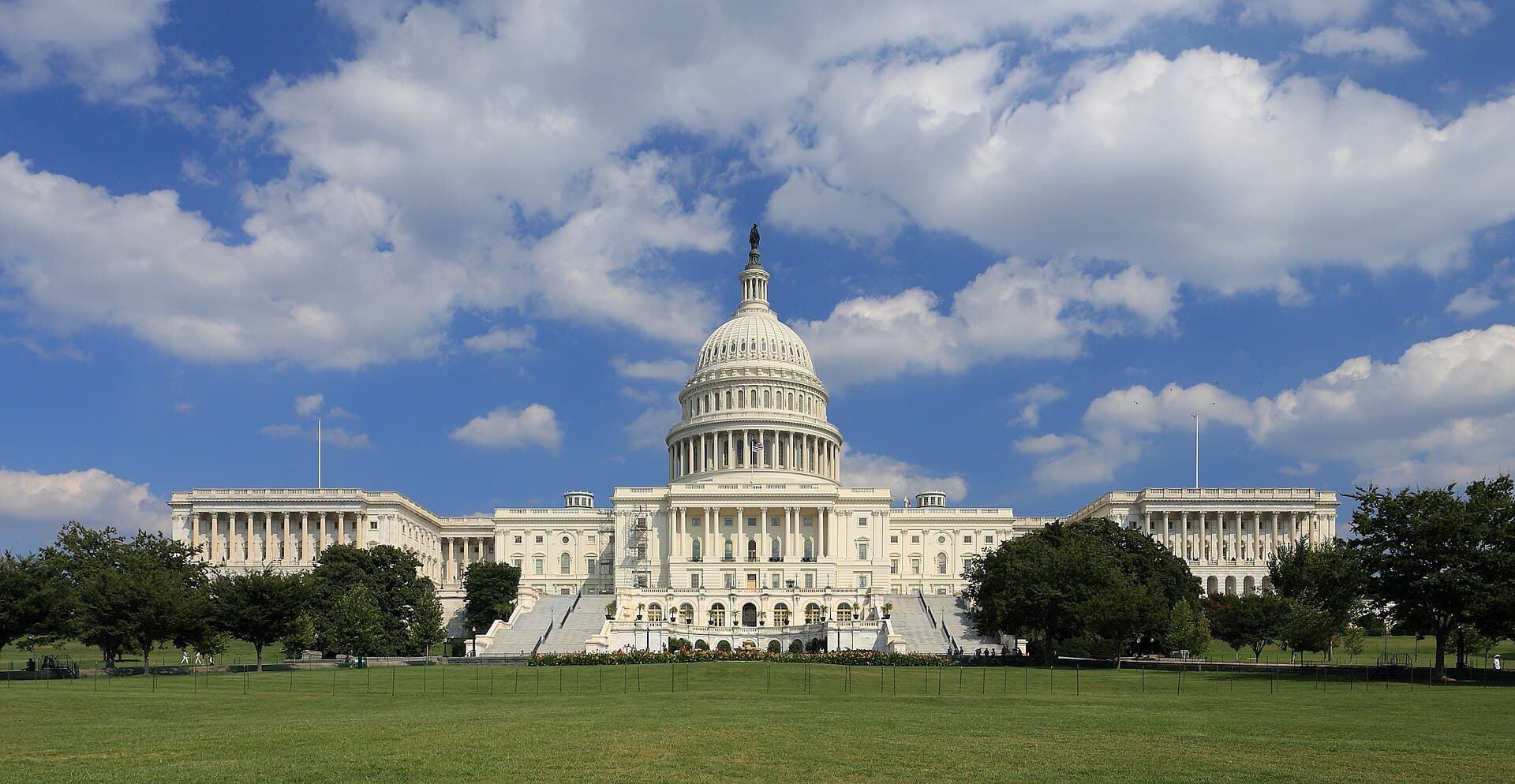
What the comparison with stronger Congresses shows
The clearest contrast is not with an abstract ideal, but with the 1970s, when Congress still enacted sweeping institutional reforms in response to presidential overreach. In that period, lawmakers used legislation to pull power back into the chamber, not merely to complain about losing it. Today’s Congress more often allows the executive branch to fill the vacuum left by indecision, which weakens the branch’s leverage over budgets and military action while making basic governance less stable.
That pattern leaves citizens with a government that looks constitutional on paper but functions unevenly in practice. Congress was granted the power to govern; when it repeatedly fails to use that power, the costs show up in shutdowns, weaker oversight, and a public that increasingly sees Washington as unable to solve its own problems.
This article was produced by Prism’s automated news system from verified source data, official records, and press releases, then run through automated quality and moderation checks before publishing. The system is built and supervised by the people who set the standards it runs under. Read our full AI policy.
Did this article answer your question?