Victims urge Trump to demand Iran restitution in peace talks
Victims of Iranian-sponsored terror urged Trump to tie any Iran deal to restitution, as lawmakers and advocates warned compensation claims could be left behind.
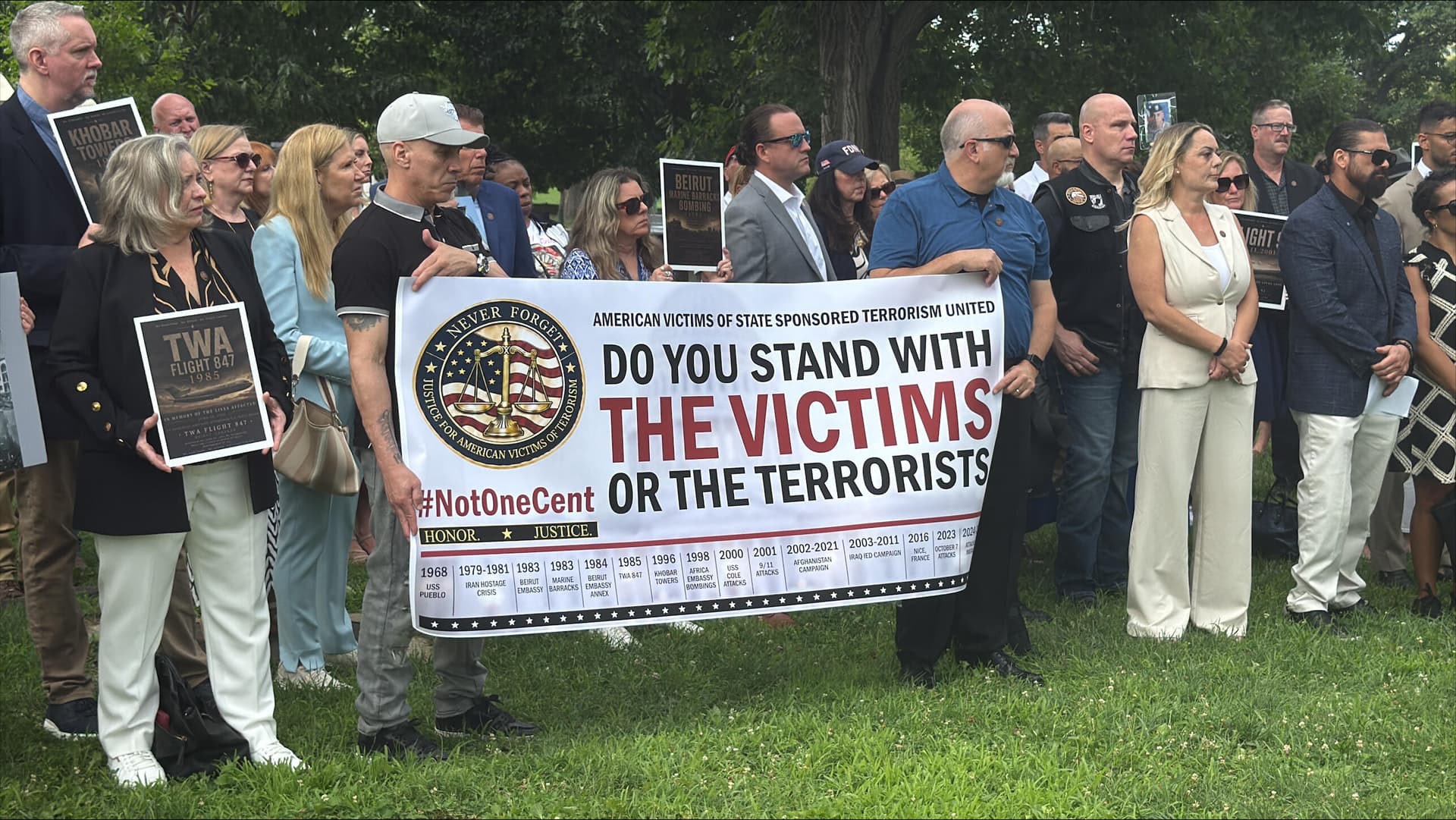
Victims of Iranian-sponsored terror urged President Donald Trump on Monday to make restitution part of any peace deal with Iran, pressing him to put compensation ahead of any sanctions relief. The appeal came as Trump said that “great progress has been made” in negotiations with Tehran.
The demand turns a diplomatic opening into a legal and political test. Restitution would mean more than acknowledgment: victims and their lawyers are seeking actual money from Iranian assets, court judgments and the federal compensation system Congress created by statute for international terrorism victims harmed by state-sponsored attacks.

A bipartisan group of New York lawmakers, including Rep. Laura Gillen, warned Trump in a letter that any U.S.-Iran agreement must prioritize compensation for 9/11 families and other victims of Iranian state-sponsored terrorism. Their message reflected a fear shared by thousands of American victims who say they are still owed billions of dollars, even after years of litigation over frozen assets and terror judgments.
That fight has centered for years on the 650 Fifth Avenue case in Manhattan, involving a 36-story office tower that authorities said concealed financial interests of the Iranian government. In March 2026, the U.S. government said it paid $129 million to victims of Iran-linked terrorism as part of a broader $318 million settlement tied to that case. The payout showed that restitution can move from court orders to cash, but only after prolonged asset seizures, appeals and negotiations.
The Justice Department has also said the U.S. Victims of State Sponsored Terrorism Fund has recovered hundreds of millions of dollars for victims. Among the recoveries was a $7 million seizure of Iranian assets announced by the U.S. Attorney’s Office for the District of Alaska. Even so, advocates say the fund and the courts have not closed the gap for many families still waiting on compensation.
For Trump, the issue cuts across foreign policy and domestic justice. Any deal that eases pressure on Iran without settling the claims of bombings, hostage-taking and other attacks linked to Tehran could draw backlash from victims’ families and lawmakers who have spent decades trying to turn judgments into payments.
This article was produced by Prism’s automated news system from verified source data, official records, and press releases, then run through automated quality and moderation checks before publishing. The system is built and supervised by the people who set the standards it runs under. Read our full AI policy.
Did this article answer your question?