Congress Keeps Stalling on Bills to Pay FAA and TSA Workers During Shutdowns
Congress has stalled on the same aviation pay fix since 2019 while TSA workers sleep in their cars and more than 300 agents have left the workforce.
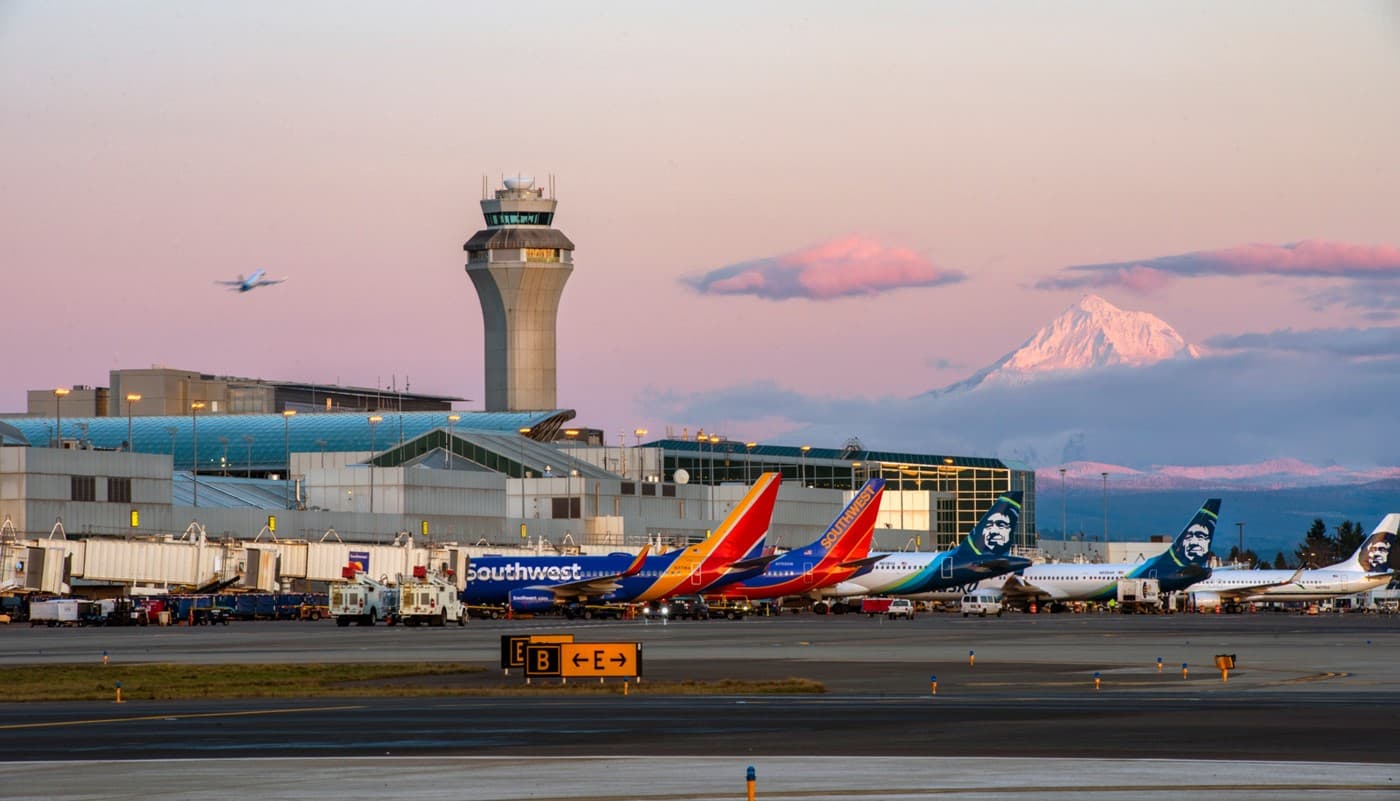
While passengers paid a $5.60 security fee on every flight departing a U.S. airport, some of the agents screening their bags at Portland International Airport were sleeping in their cars, saving gas money while waiting for paychecks that current law bars anyone from delivering during a government shutdown. The federal government kept collecting the fee. TSA workers kept showing up. Congress kept not acting.
The legislative record stretches back to 2019. Since a partial shutdown that year spanned the holiday travel season, members of Congress have introduced at least four distinct bills to guarantee pay for the federal employees who control air traffic and screen airport passengers when government funding lapses: the Aviation Funding Stability Act, the Aviation Funding Solvency Act, the Keep Air Travel Safe Act, and the Keep America Flying Act. Not one has become law. All have stalled.
The urgency sharpened after last fall's 43-day shutdown broke the record for the longest funding lapse in U.S. history. The FAA, citing risks to aviation safety, ordered U.S. airlines to cut flights at 40 of the nation's busiest airports as unscheduled controller absences deepened staffing shortages at air traffic control facilities. TSA officers who worked through that shutdown then worked through a short one that started Jan. 31 and another when Department of Homeland Security funding lapsed on Feb. 14. Thousands began missing shifts each day as that stalemate stretched into its second month.
The problem is structural. About 61,000 TSA employees are classified as essential workers and must remain on the job at more than 430 commercial airports during a DHS funding lapse, even when they are not being paid. TSA's budget falls under DHS as discretionary spending that must be appropriated annually, meaning the moment DHS funding lapses, so do the paychecks. The Aviation Passenger Security Fee, the 9/11-era charge of $5.60 per one-way trip and up to $11.20 for a round-trip on U.S.-originating flights, continues to be collected during shutdowns but cannot be redirected to pay workers. Because Congress controls that revenue through the annual appropriations process, TSA has no authority to access it during a lapse. By contrast, the federal gas tax flows directly into the Highway Trust Fund and is not subject to annual appropriations, giving the Federal Highway Administration direct access to pay employees even when other agencies have gone dark.

Rep. Nick Langworthy of New York sought to close that legal gap with a bill creating a Transportation Security Trust Fund seeded by that same passenger security fee. "This is now the third time in just six months that TSA agents have been forced to work without receiving a paycheck," Langworthy said. "Morale and recruitment are taking a profound hit, and we've already lost more than 300 agents, putting the agency's mission at grave risk." He warned that "doing nothing is a national security crisis waiting to happen."
On Oct. 29, 2025, Rep. John James of Michigan introduced the House companion to Sen. Ted Cruz's Keep America Flying Act, which would provide back pay and ongoing compensation for air traffic controllers, TSA agents, and other essential FAA operational personnel. The Modern Skies Coalition, a group of more than 60 aviation and travel organizations, called on Congress this week to use "any legislative vehicle" to pass the Aviation Funding Solvency Act, Aviation Funding Stability Act, or Keep America Flying Act. The US Travel Association separately urged lawmakers to reclassify the passenger security fee as a user fee, which would allow TSA to draw on the revenue during funding lapses the same way the Federal Highway Administration draws on the gas tax.
Travelers at George Bush Intercontinental Airport in Houston faced long security lines as recently as March 27. TSA agents called out sick or took second jobs to cover groceries and rent. The Aviation Funding Stability Act has been reintroduced in 2019, 2021, and 2025. The agency's 61,000 essential workers are still waiting for the version that passes.
This article was produced by Prism’s automated news system from verified source data, official records, and press releases, then run through automated quality and moderation checks before publishing. The system is built and supervised by the people who set the standards it runs under. Read our full AI policy.
Did this article answer your question?

