Congress weighs renewal of controversial surveillance law as deadline nears
Congress faced a hard choice on Section 702: keep a potent foreign-intelligence tool, or add new limits before Americans’ communications are swept in without a warrant.
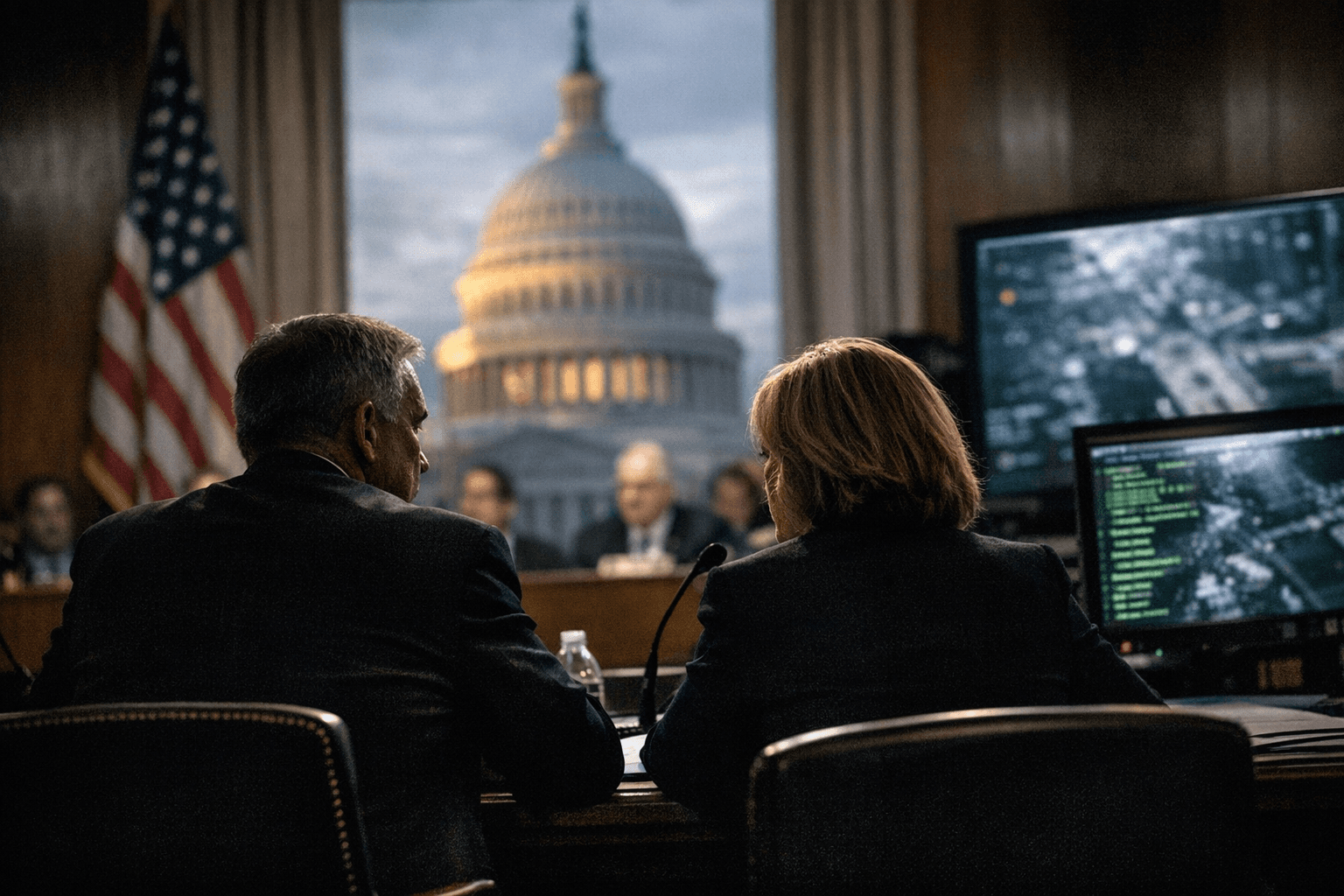
Congress was again confronting a familiar national-security fault line as Section 702 of the Foreign Intelligence Surveillance Act moved toward its April 20, 2026 sunset: how much warrantless collection on foreign targets lawmakers would tolerate, and how much protection Americans would get when their own emails, texts, or calls were caught in the process.
Section 702, enacted in 2008, let the government conduct programmatic surveillance of non-U.S. persons abroad under annual certifications approved by the Foreign Intelligence Surveillance Court, rather than by individual warrants for each target. That design made the authority valuable to intelligence agencies, but it also meant Americans could be swept up incidentally when they communicated with someone overseas who was subject to collection.
A realistic example showed the tradeoff plainly. If an American in Florida texted a contact in Caracas who fell within a Section 702 target set, the exchange could be collected without a warrant because the surveillance was aimed at the foreign person abroad. Analysts could later search that material, which is why privacy advocates said the program created a backdoor for accessing Americans’ communications and, in some cases, a path to mission creep.
The debate sharpened because lawmakers were not only considering renewal, but also whether to tighten the rules. A bipartisan SAFE Act push would require a warrant or a FISA court order before the government could access Americans’ communications that had been collected indirectly, and it would also restrict most government purchases of personal data from brokers. Civil-liberties advocates argued that buying data from commercial brokers could sidestep constitutional limits that would apply if the government collected the information itself.
The politics shifted further when Donald Trump backed renewal and called for extending the program for another 18 months, saying it mattered to the military and had helped recent U.S. actions involving Venezuela and Iran. That support reduced the odds of major revisions, even as criticism remained bipartisan. House Intelligence Chair Rick Crawford said the White House was leaning toward an 18-month clean reauthorization, while Senate Intelligence Chair Tom Cotton also urged an extension without changes.
Congress had already reopened the law once before. It reauthorized Section 702 on April 20, 2024, through the Reforming Intelligence and Securing America Act, which set the current sunset and added new compliance, reporting, and accountability measures. The Office of the Director of National Intelligence said its 2025 transparency report showed FBI U.S.-person query counts fell significantly after those reforms, while query terms at the NSA, CIA, and National Counterterrorism Center rose amid cybersecurity threats, the Israel-Hamas conflict, and ISIS-related concerns.
ODNI also disclosed that in 2024 the government sought renewal certifications and a new Section 702 counternarcotics certification, and the Foreign Intelligence Surveillance Court approved them in March and April 2025. The next decision now sat with Congress: renew the law again with few changes, or use the deadline to impose guardrails on a surveillance authority that continued to touch ordinary Americans as it reached across borders.
This article was produced by Prism’s automated news system from verified source data, official records, and press releases, then run through automated quality and moderation checks before publishing. The system is built and supervised by the people who set the standards it runs under. Read our full AI policy.
Did this article answer your question?

