Cotton, Grassley urge Trump to prepare for surveillance lapse
Cotton and Grassley warned Marco Rubio that Section 702 could expire June 12, risking a major foreign-intelligence gap as Congress remained deadlocked.
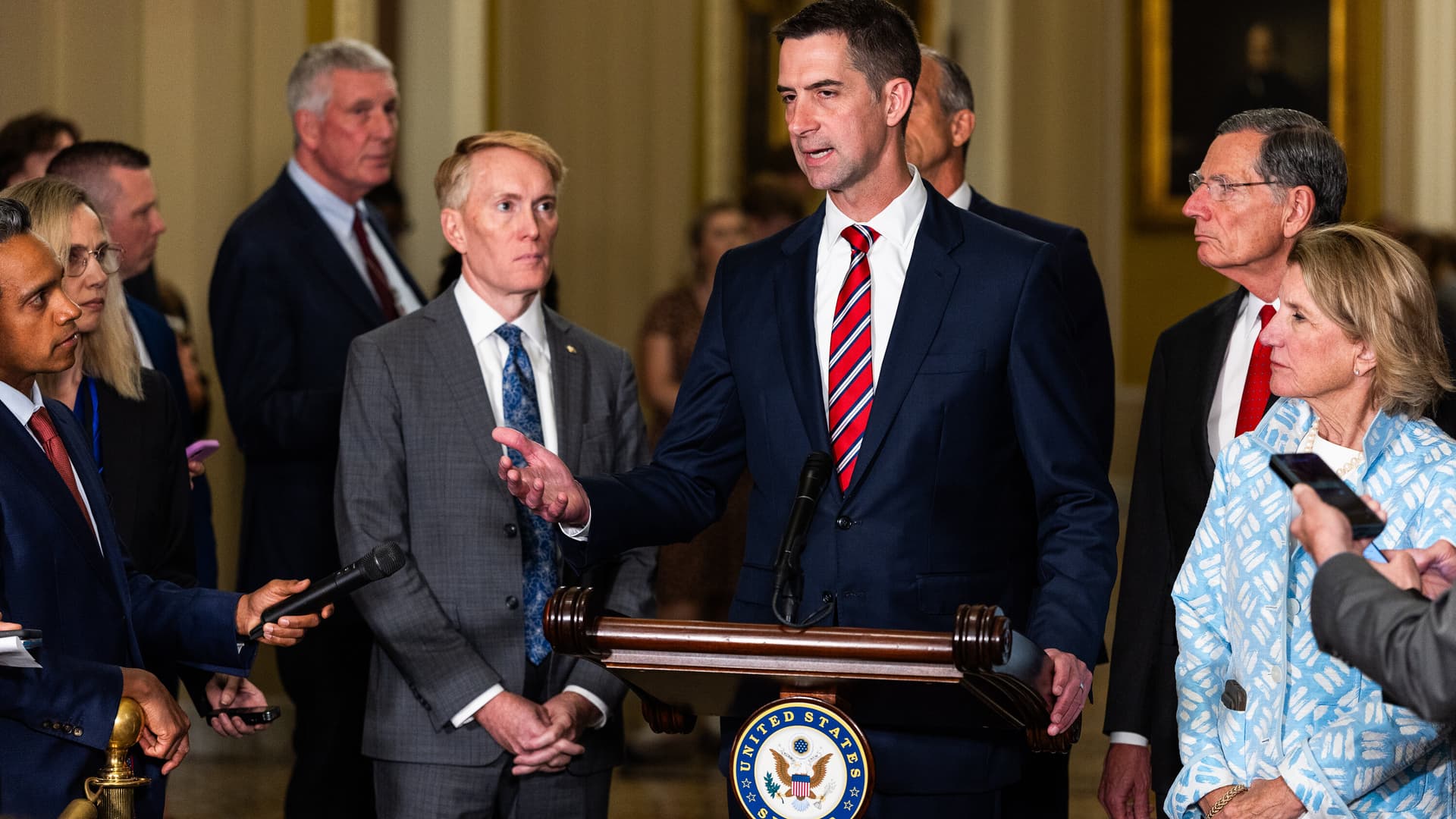
Two senior Republicans urged the Trump administration to brace for a possible surveillance lapse as Congress drifted toward a June 12 deadline on Section 702 of the Foreign Intelligence Surveillance Act. Sen. Tom Cotton of Arkansas and Sen. Chuck Grassley of Iowa, the chairmen of the Senate Intelligence Committee and Senate Judiciary Committee, warned Secretary of State Marco Rubio that the administration should plan for a significant gap in foreign intelligence collection if the authority expires.
Section 702, enacted in 2008, lets U.S. intelligence agencies collect the communications of foreigners overseas without an individualized court order. Supporters say that authority is central to tracking overseas threats and feeding the intelligence pipeline that reaches the White House. Grassley has said it accounts for over 60% of the intelligence in the president’s daily brief, a figure Republicans cite to argue that even a short interruption could leave analysts without a large share of the information they rely on each day.
The warning landed after the Senate failed, 47-52, on June 5 to open debate on a longer renewal. That vote left the program in limbo just weeks after Congress had approved only a 45-day extension on April 30, buying time after the previous deadline approached. Senate Majority Leader John Thune said the chamber would try again the following week, but the political math remained unsettled as the clock kept moving toward expiration.
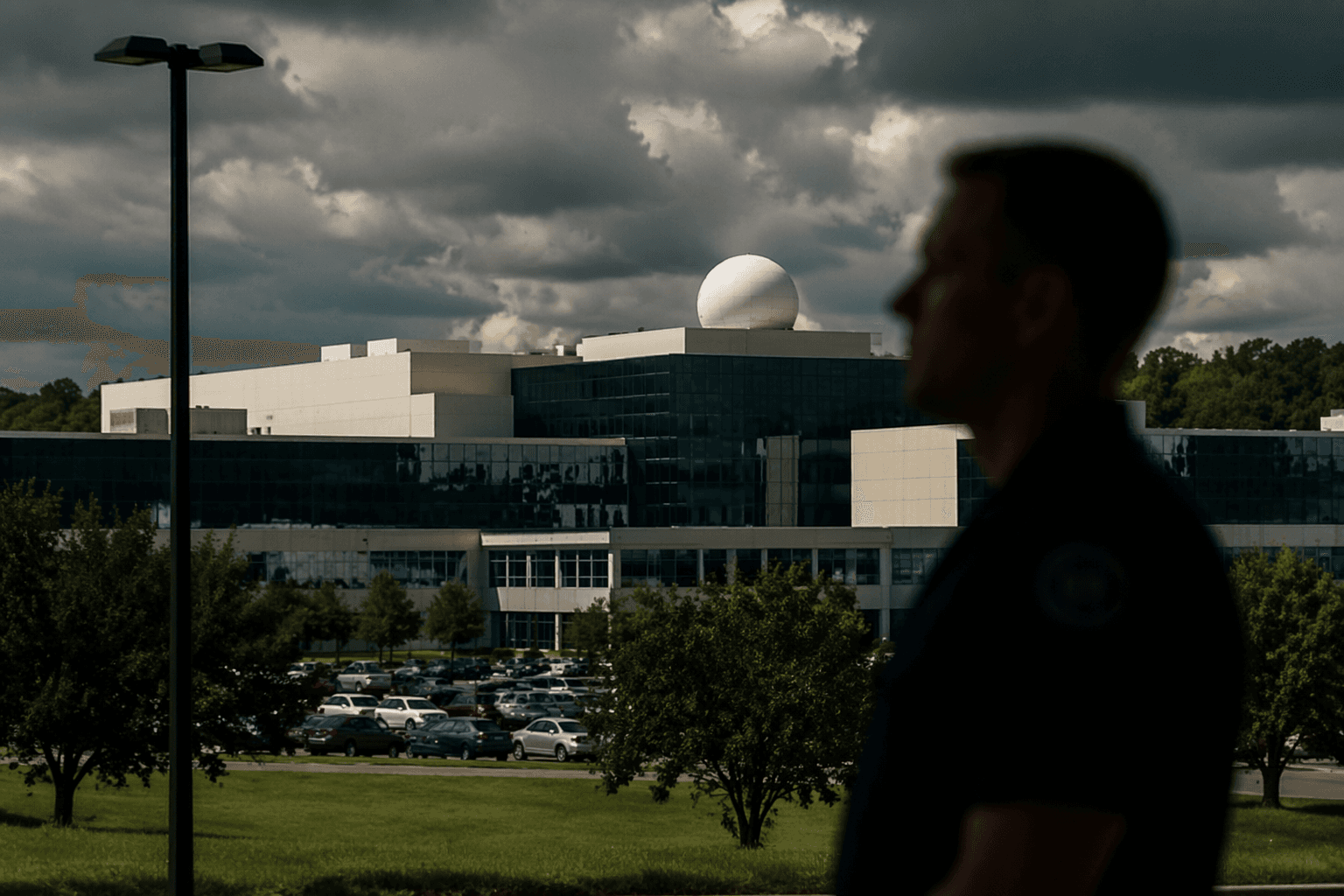
The fight has sharpened the familiar national security and civil liberties tradeoff that has surrounded Section 702 for years. Privacy advocates and groups such as the Brennan Center for Justice say the authority can incidentally collect Americans’ communications and has been misused for warrantless searches of U.S. person data. They argue the answer is tighter limits, not a blank extension, especially after repeated fights over how the Department of Justice, the National Security Agency and the Federal Bureau of Investigation use the tool.
Negotiations collapsed further as Democrats, led by Sen. Mark Warner, objected to President Trump’s appointment of Bill Pulte as acting director of national intelligence, a move that reportedly angered lawmakers in both parties and derailed a compromise. The result is a standoff with real operational stakes: if Congress does nothing before June 12, one of the government’s most important foreign-intelligence authorities will lapse for the first time in years, forcing Washington to confront how much security it is willing to trade for tighter surveillance limits.
This article was produced by Prism’s automated news system from verified source data, official records, and press releases, then run through automated quality and moderation checks before publishing. The system is built and supervised by the people who set the standards it runs under. Read our full AI policy.
Did this article answer your question?