Could three points be enough for Scotland to reach the last 32?
Three points can still carry Scotland a long way in a 48-team World Cup, where eight third-place teams advance and one narrow win can reshape the table.
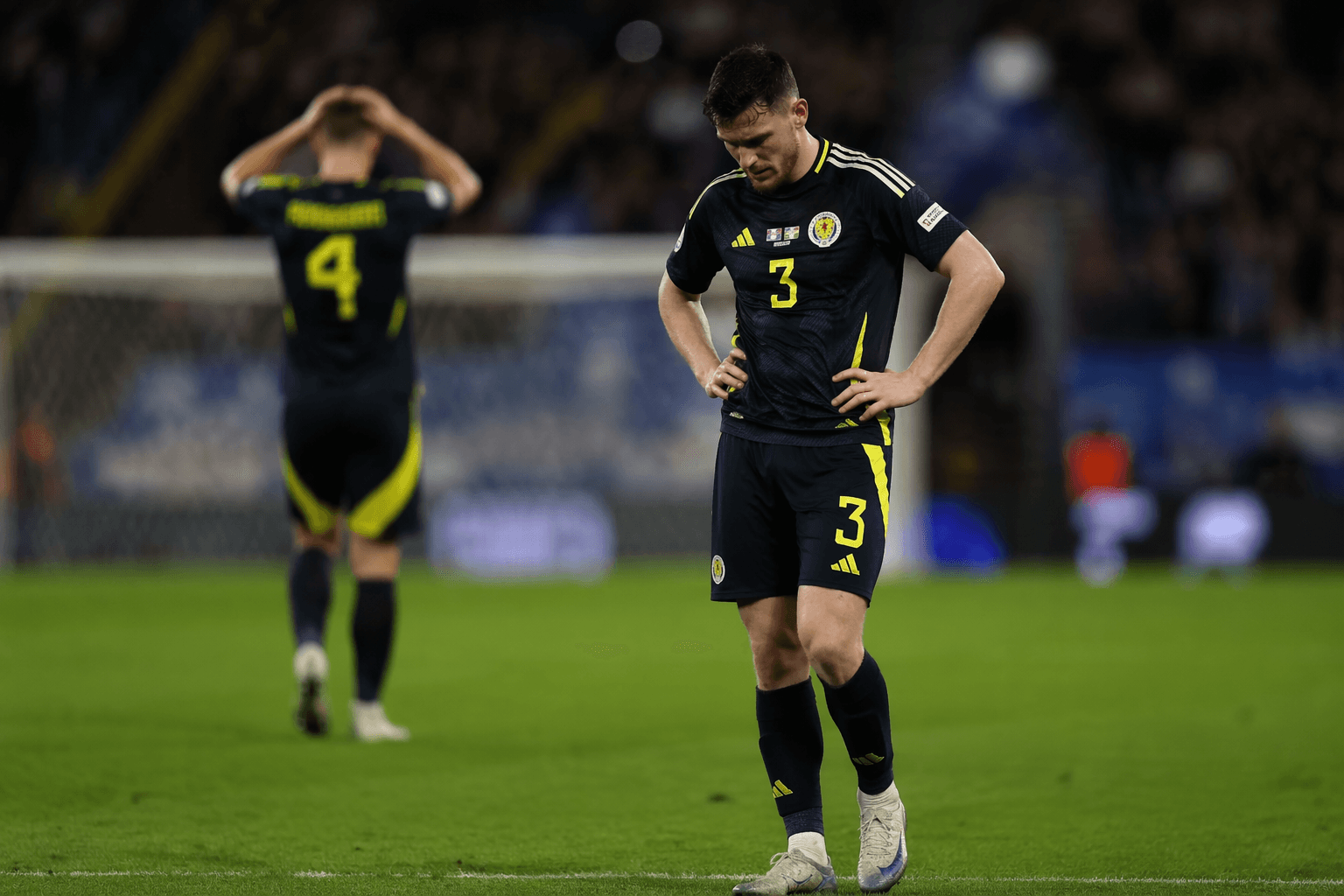
Three points can still carry Scotland a long way in a 48-team World Cup. In the expanded format, finishing third is no longer a dead end, because eight of the 12 third-placed teams move on to the last 32. That changes the value of a single win: it can keep a team alive even when the group is tight and the margins are thin.
Why the new format changes the equation
The 2026 FIFA World Cup runs from 11 June to 19 July 2026 across Canada, Mexico and the United States, and its 48-team structure creates a round of 32 as the first knockout stage. That is the key difference from previous World Cups, where third place almost always meant elimination. Now, a team does not have to finish first or second to survive the group stage, but it still has to compare well against third-place teams from other groups.
That broader comparison is what gives a result like a 1-0 win real weight. Three points is the basic currency of the group stage, but in a tournament-wide third-place race, a narrow victory also protects goal difference, which can become decisive when teams are bunched together on the same point total. The new format does not make every result equal; it makes every goal part of the calculation.
Where Scotland stand
Scotland earned their place at the finals by winning UEFA qualifying Group C, ending a 28-year absence from the World Cup finals. UEFA’s qualifying system sent the 12 group winners directly to the tournament, while the runners-up went into the play-offs, with four additional places available through Nations League routes. Scotland’s route was sealed in dramatic fashion, with a 4-2 win over Denmark securing top spot in the group.
That return matters because Scotland’s last World Cup appearance came in 1998, and the men’s team has never gone beyond the group stage. This time, Andy Robertson will captain the side and Steve Clarke will be in charge, giving Scotland a familiar core for a campaign that already carries the weight of history. Their Group C opponents at the finals are Haiti, Morocco and Brazil, a draw that promises both opportunity and danger.
What a 1-0 win really buys you
A 1-0 win gives Scotland exactly what a tournament team wants first: three points. It also leaves them with a positive goal difference of +1, which can matter just as much as the win itself when third-place places are decided across all groups. In a format where only eight of the 12 third-placed teams advance, that small edge can separate a live campaign from an early exit.
The practical impact is easy to see:
- Three points put a team into the conversation for the third-place table.
- A +1 goal difference gives that team a better profile than a draw-heavy or concession-heavy rival.
- Keeping the scoreline tight limits damage if later matches go badly.
- Because the comparison is across all groups, not just within one section, every goal scored or conceded can shift the picture.
That is why a narrow win is not just about the three points themselves. It is about what the rest of the group sees when the tables are compared at the end: a side that has already banked points, kept its difference clean and avoided the kind of heavy loss that can undo a promising start.
What results matter most now
For Scotland, the most important change is that risk has become more nuanced. In the old format, a team might need to chase a win at all costs, because third place offered no safety net. In the new one, a disciplined approach can be rational: take the points when the chance is there, protect goal difference when the opponent is stronger, and avoid turning one bad result into a goal-difference problem that follows the team through the entire third-place comparison.
That matters especially in a group with Haiti, Morocco and Brazil. Every match can affect the wider qualifying picture, but the logic is simple: a win is the first priority, a draw can still have value, and a close defeat may be less damaging than an open, high-scoring loss. Scotland do not need perfection to keep the path open; they need enough points and enough defensive control to stay ahead of other third-place teams.
The scale of the expanded tournament is what makes this possible. Scotland have already secured their place as Group C winners, but the lesson of the new World Cup structure is bigger than one team’s route to the finals. It shows how a single result can still shape survival, and why three points, once often merely respectable, can now be the difference between going home and reaching the last 32.
This article was produced by Prism’s automated news system from verified source data, official records, and press releases, then run through automated quality and moderation checks before publishing. The system is built and supervised by the people who set the standards it runs under. Read our full AI policy.
Know something we missed? Have a correction or additional information?
Submit a Tip