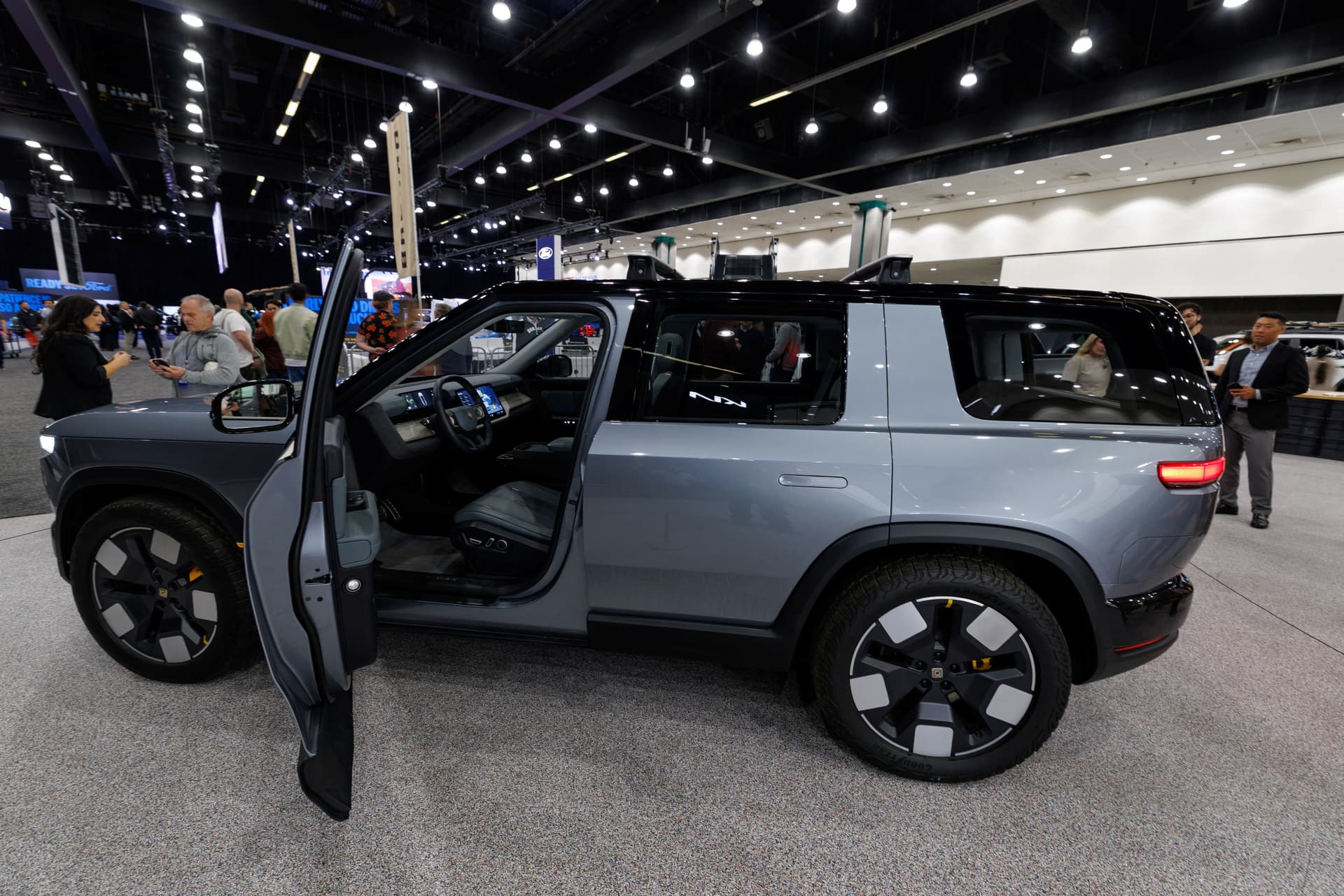
Court ruling weakens Trump tariff leverage before Beijing trade talks
A federal court ruling on Trump’s 10% tariff could narrow his threats just days before a Beijing summit with Xi Jinping and tilt leverage toward China.
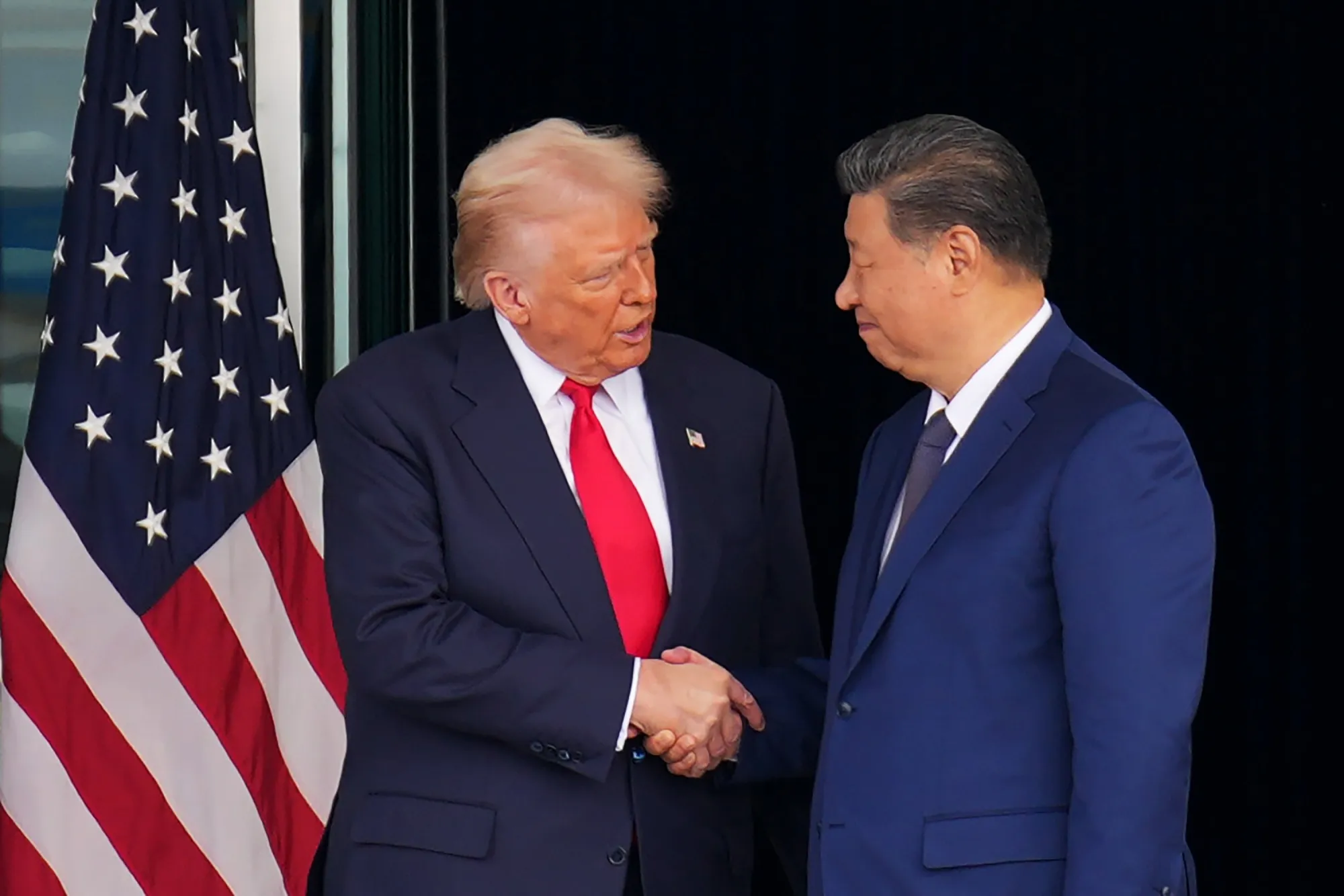
Donald Trump’s tariff punch landed in court just as he was preparing for Beijing, and that timing could matter more than the ruling itself. A federal trade court on Thursday, May 7, found that Trump had violated the law when he imposed a 10 percent tariff on most U.S. imports, a decision that deepened uncertainty over his emergency tariff authority and risked weakening his hand before high-stakes talks with Xi Jinping.
The immediate political problem is leverage. Trump is heading toward what is expected to be his first trip to China in eight years, and the first visit by a sitting U.S. president since 2017, for a summit scheduled for May 14-15. That meeting is meant to carry the weight of a two-day reset in the world’s most important trade relationship, but the legal blow at home may make it harder for Trump to threaten more tariff pain from a position of strength.
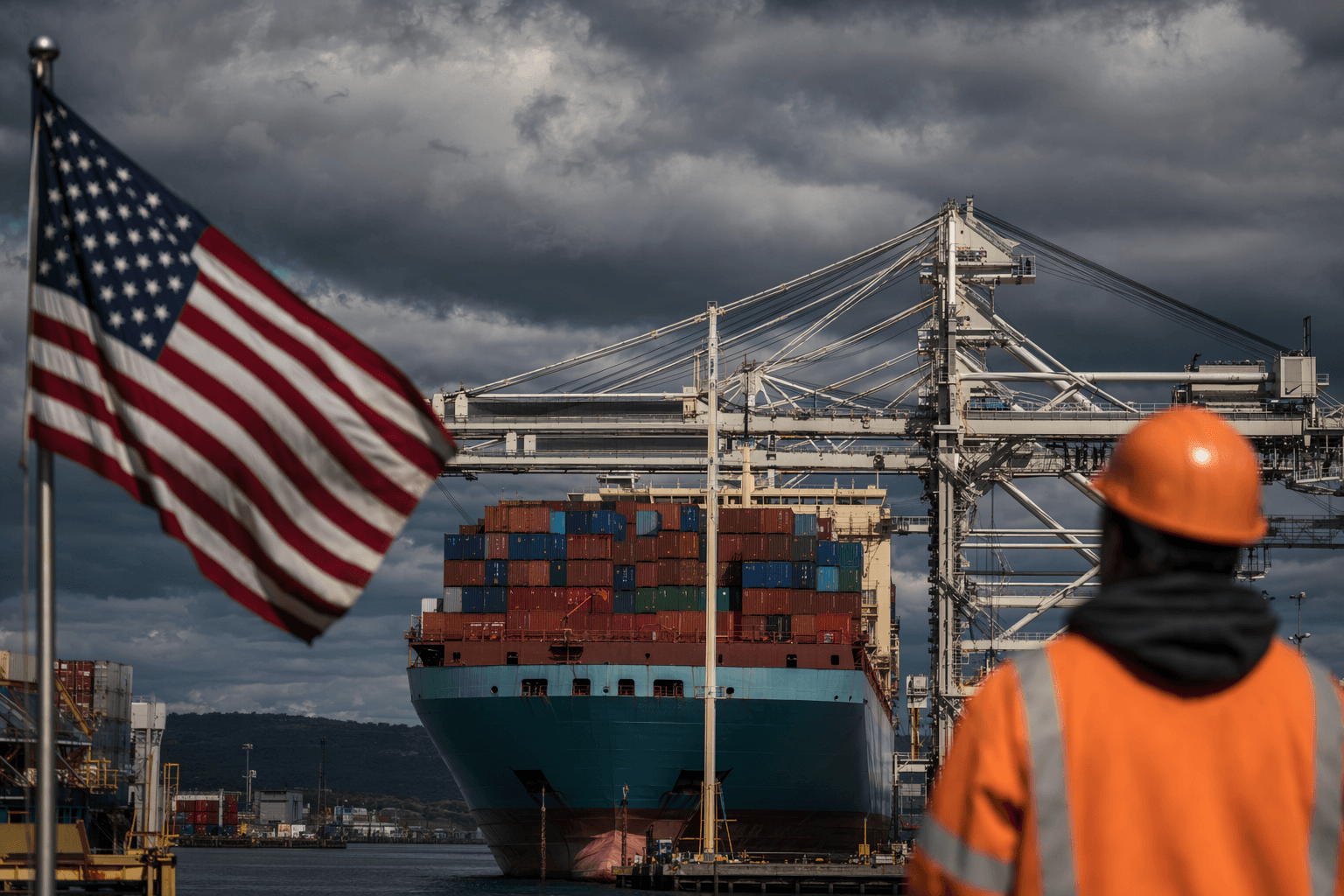
The White House had relied on a 10 percent temporary import duty under Section 122, effective February 24 for 150 days, as part of its broader tariff strategy. It has also used Section 232 powers, including tariffs on patented pharmaceuticals announced April 2. Even so, the court ruling narrowed the emergency-tariff playbook at the very moment Trump was seeking to show that Washington still had room to escalate if Beijing resisted a deal.
China is entering the talks with a clearer sense that Trump’s tariff arsenal is under judicial strain. Analysts and business observers say that shifts the balance toward Beijing, which may now have more incentive to wait him out rather than rush into concessions. The concern in Washington is that a president weakened on tariffs at home has less credibility abroad, especially when the central bargaining chip in trade talks is the threat of future economic pain.
The summit is expected to go beyond tariffs. Reuters reported that Taiwan is likely to come up, alongside broader strategic issues, and the two sides have already held recent high-level trade discussions involving Treasury Secretary Scott Bessent, U.S. Trade Representative Jamieson Greer, and Chinese Vice Premier He Lifeng. The White House has still tried to keep the commercial agenda alive by assembling a business delegation and considering new mechanisms to manage trade ties, but the court ruling may limit how much Trump can extract in Beijing without giving up more than he receives.
This article was produced by Prism’s automated news system from verified source data, official records, and press releases, then run through automated quality and moderation checks before publishing. The system is built and supervised by the people who set the standards it runs under. Read our full AI policy.
Did this article answer your question?
%3Amax_bytes(150000)%3Astrip_icc()%2FCertificate-of-deposit-2301f2164ceb4e91b100cb92aa6f868a.jpg&w=1920&q=75)