Court weighs Trump White House ballroom as East Wing case intensifies
Judges grilled a Trump lawyer over a $400 million ballroom, probing whether the White House can be rebuilt without Congress or public review.
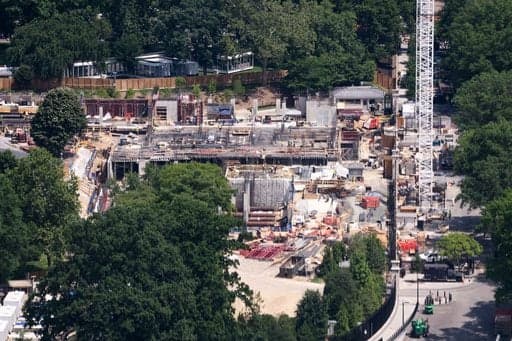
A federal appeals court hearing on Donald Trump’s planned $400 million White House ballroom turned into a test of whether judges will check a president’s attempt to remake Washington with executive power alone. The dispute centers on a 90,000-square-foot project that would replace the demolished East Wing, and on whether the White House complex can be altered without Congress signing off.
The U.S. Court of Appeals for the District of Columbia Circuit heard arguments June 5 after the National Trust for Historic Preservation sued in December 2025 to halt the project. The nonprofit says the administration moved ahead without required review by the National Capital Planning Commission, without public comment, and without congressional authorization for construction in President’s Park, which the group says is protected federal property. The East Wing was torn down in October 2025 to make way for the ballroom.
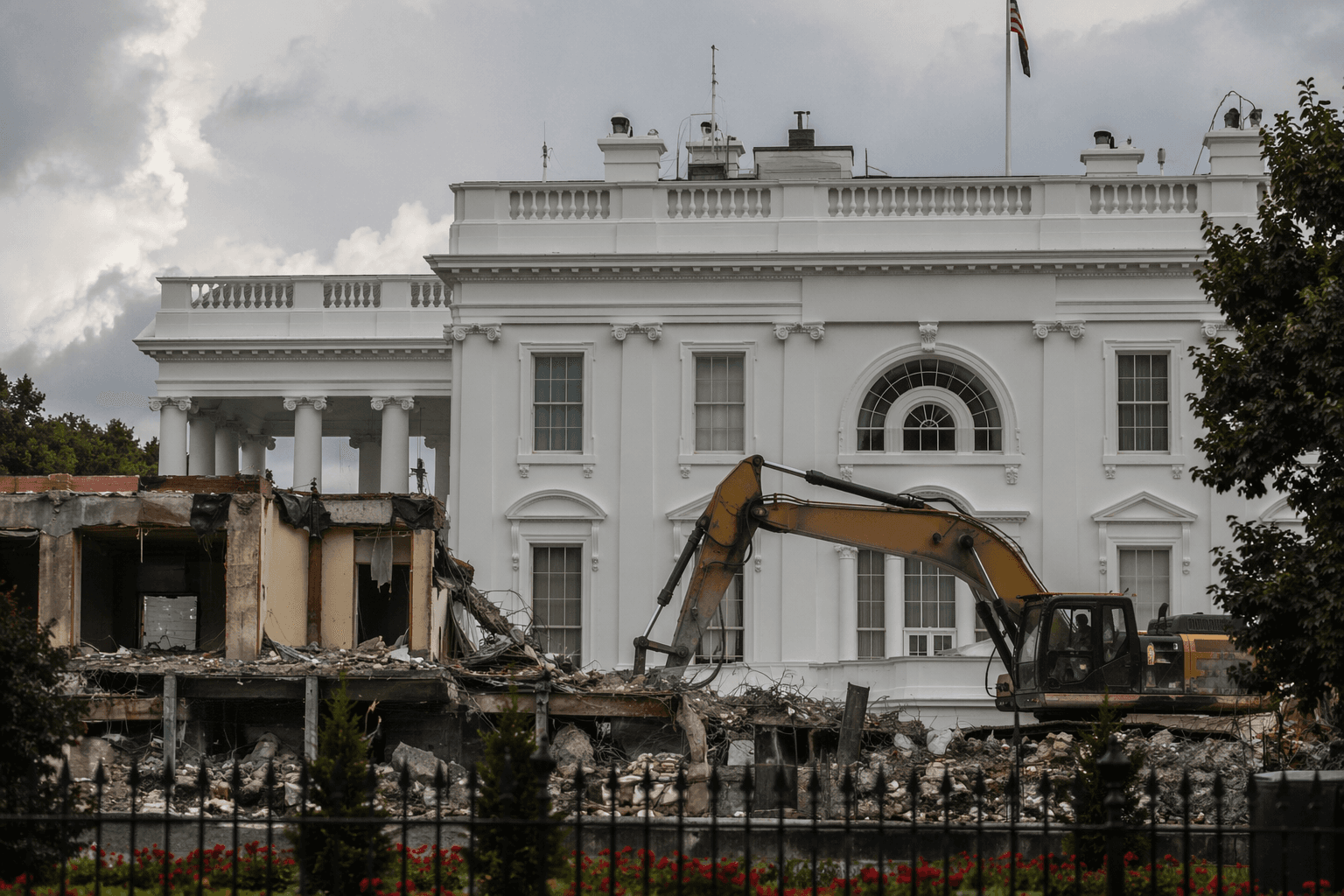
In March 2026, U.S. District Judge Richard Leon blocked above-ground construction, writing that no law “comes close” to authorizing Trump to build the ballroom without Congress. Leon, a George W. Bush appointee, said Trump is the steward of the White House, not its owner, and concluded the National Trust was likely to prevail on the merits. The administration appealed, and the D.C. Circuit allowed construction to continue temporarily while it took up the case.
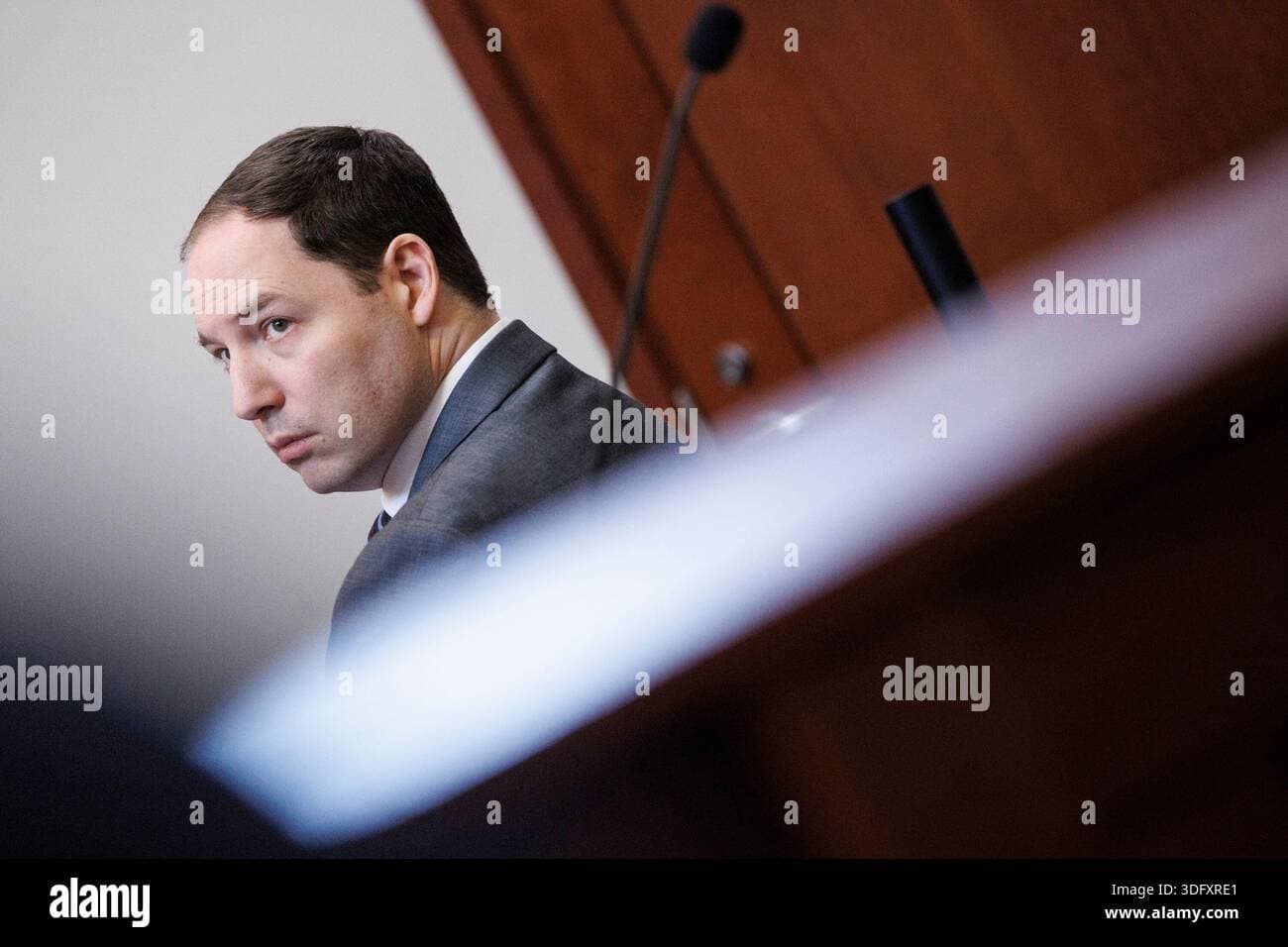
At the June 5 hearing, Justice Department lawyer Yaakov Roth argued the project had advanced too far to be stopped and that courts had no role in weighing it, even if the government were acting unlawfully. Roth said the administration viewed the ballroom as necessary for national security because the old East Wing was not adequate to protect the president and other White House leadership. He also said more than 3 million pounds of steel rebar were already on site, and claimed the preservation group lacked standing because the East Wing had already been demolished and the harm could no longer be redressed.
The panel sounded skeptical. Judge Patricia Millett pressed Roth with a hypothetical about whether the government could, under that logic, “bulldoze” the Statue of Liberty and outrun review. She also criticized what she called a “move fast and break things” approach, signaling concern that the executive branch could sidestep legal limits by acting quickly enough to make any challenge moot.
The case has become a broader fight over who controls the White House complex, how far historic-preservation laws reach, and whether the president can reshape a landmark part of Washington without congressional approval. Trump has said the ballroom will be funded largely by private donations from businesses and wealthy individuals, while taxpayer money would cover security-related costs.
This article was produced by Prism’s automated news system from verified source data, official records, and press releases, then run through automated quality and moderation checks before publishing. The system is built and supervised by the people who set the standards it runs under. Read our full AI policy.
Know something we missed? Have a correction or additional information?
Submit a Tip