CPSC Issues Sweeping March Recalls, Including 110,000 Infant Bassinet Units
The CPSC's March 26 recall sweep flagged over 110,000 AirClub infant bassinets among dozens of consumer products, spotlighting urgent risks in the baby gear market.

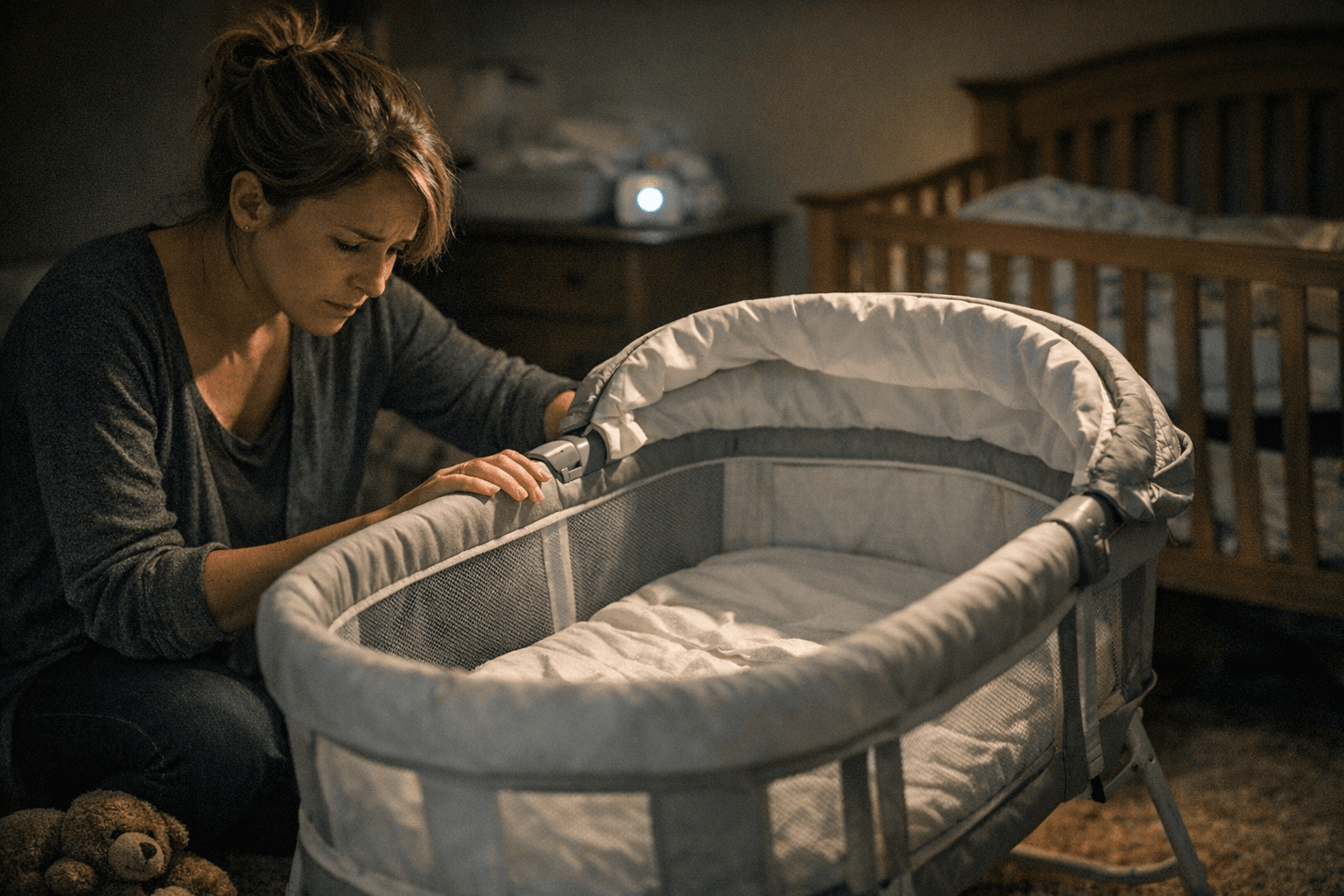
The AirClub convertible bassinet recall, covering more than 110,000 units, anchored a sweeping set of consumer product safety notices the U.S. Consumer Product Safety Commission issued on March 26, 2026. Distributed through PR Newswire and posted simultaneously to the agency's website, the consolidated action spanned dozens of consumer products, with several items posing direct risks to infants and toddlers.
Beyond the AirClub bassinet, the March 26 round of notices flagged furniture-tip restraint kits presenting tip-over hazards, a category that directly affects nursery setups and any room where a child might pull on tall, freestanding furniture. The CPSC designed the posting as a centralized administrative collection: one location where consumers, retailers, and safety professionals can see every action notice issued that day and respond quickly.
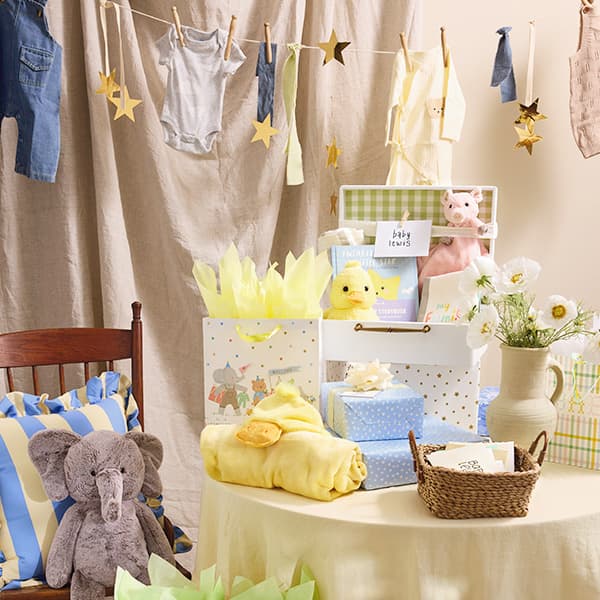
The scale of the bassinet recall carries weight beyond the raw unit count. Convertible bassinets sit at the center of the infant sleep product market and routinely appear on baby registries, in shower gift bundles, and in completion-discount purchases made in the weeks before a due date. A recall affecting 110,000 units means a meaningful share of recently purchased or gifted products may be in active use in households that have not yet received or acted on the notice.
For registry platforms and retailers, the gap between a recall issuance and a consumer's awareness of it is the core operational problem. Third-party marketplace models, which aggregate products from many independent sellers, have historically increased exposure to items that later become subject to regulatory action. The March 26 posting illustrates precisely why product-safety integration matters at the systems level: platforms capable of flagging recalled SKUs, notifying purchasers automatically, and facilitating seamless returns shrink the window a potentially unsafe product stays in a home.
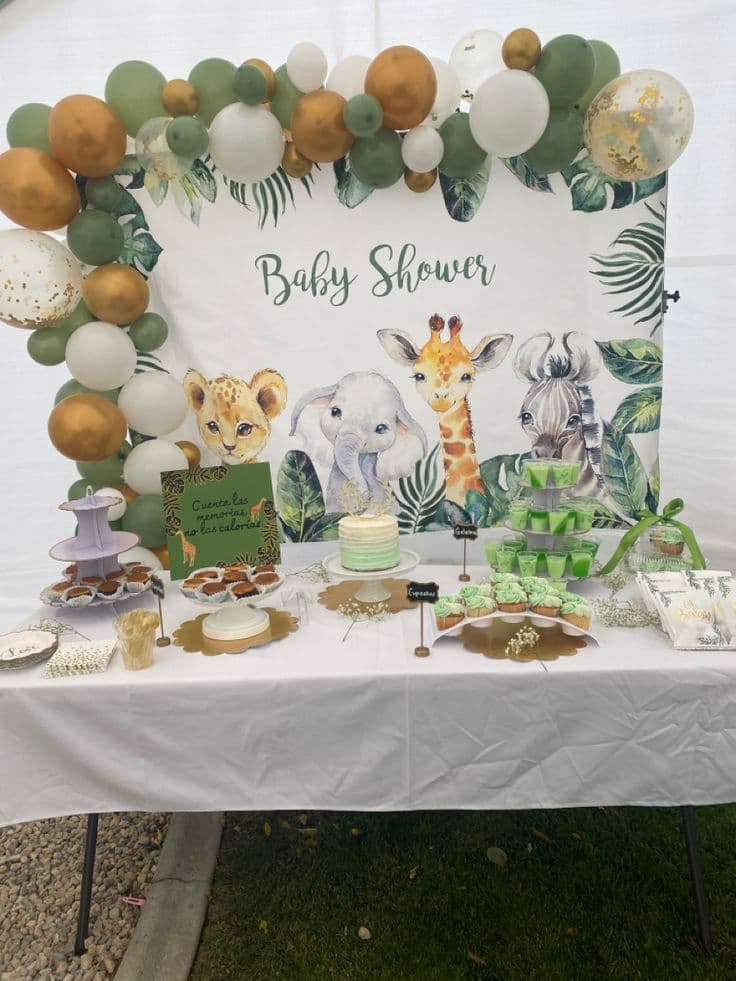
The practical checklist for anyone involved in baby shower planning runs through the same steps the CPSC's recall infrastructure is designed to support. Cross-referencing an active registry against the agency's online recall database before a shower date takes minutes and can surface flagged items before they change hands as gifts. Registering product serial numbers and opting into CPSC email alerts ensures households receive notices directly, rather than depending on retailers or third parties to pass them along.
The March 26 sweep reflects both the CPSC's sustained enforcement pace and the structural pressures that come with an increasingly import-heavy, online-sold baby gear market. As more products enter the U.S. through multi-seller platforms and direct-import channels, the volume of items that eventually draw regulatory attention has grown accordingly, making consolidated recall postings a practical operational reference rather than just a regulatory formality.
Sources:
Know something we missed? Have a correction or additional information?
Submit a Tip