CPW Opens $1M Human-Bear Grants After Notable Dolores Bear Activity
Bears rummaged through trash cans and walked along Central Avenue in Dolores last fall; CPW opened a $1M grant cycle Feb. 2 with applications due May 29 at 5:00 p.m. MT.
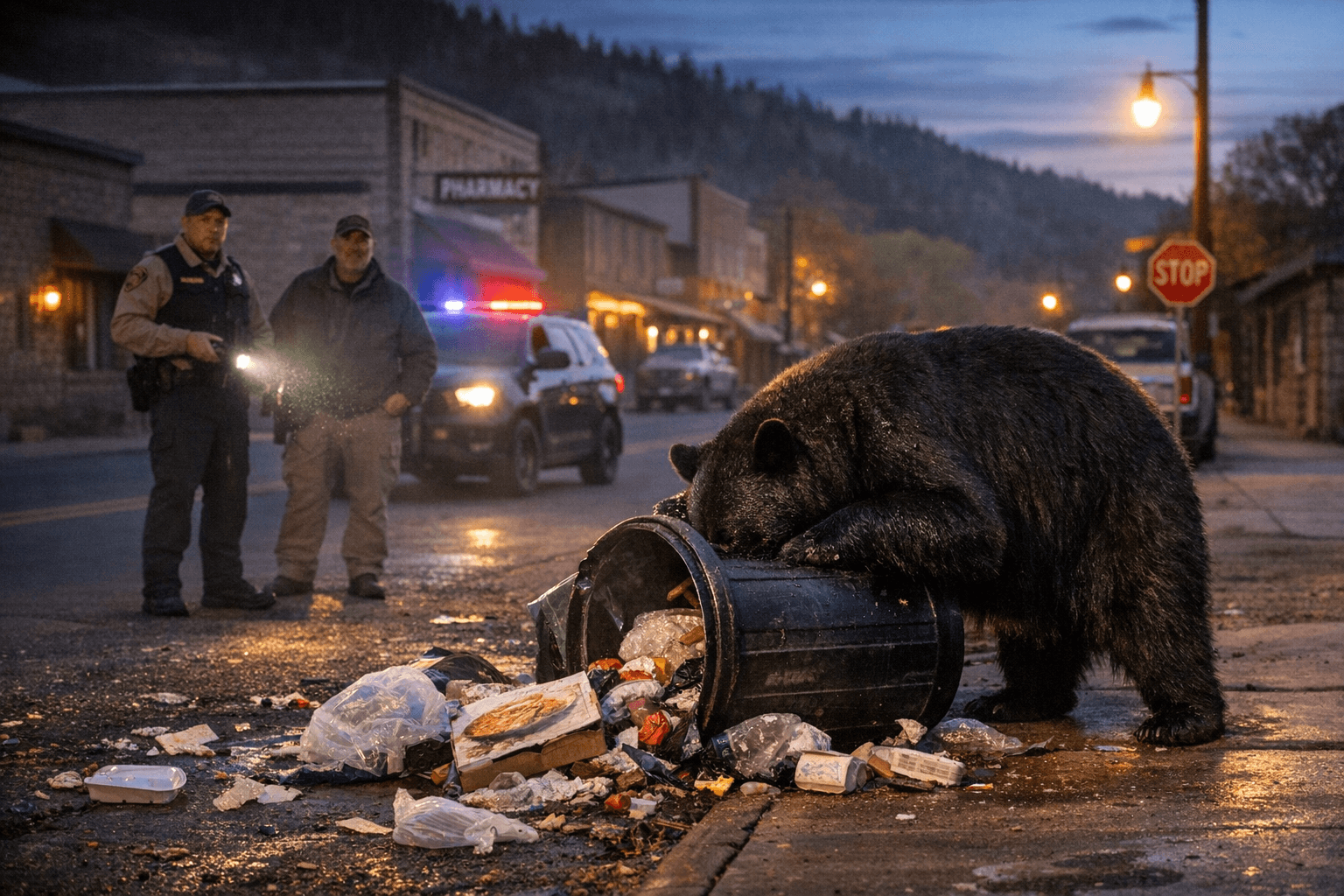
Black bears were seen rummaging through trash cans, walking along Central Avenue and eating backyard fruit in Dolores last fall, prompting a sheriff’s warning to secure trash under local ordinance and Facebook posts urging neighbors to “keep their head on a swivel,” local reporting shows. Colorado Parks and Wildlife opened the Human‑Bear Conflict Reduction Community Grant Program on Feb. 2, 2026 with $1,000,000 available and an application deadline of May 29, 2026 at 5:00 p.m. Mountain Time.
The grant program allows applicants to request between $50,000 and $500,000 as reported by media outlets, and CPW’s program page lists eligible applicants including tribes, counties, cities, towns, landowners, parks departments, businesses, nonprofits and universities. CPW lists Travis Long as the grant manager for application questions; reporting shows his contact as travis.long@state.co.us, and the agency notes that “Application assistance is available.” Travis Long said, “Reducing human‑bear conflict requires a collective effort, and this grant program serves as a catalyst for that work. We are seeing a real shift in how communities are minimizing bear interactions, using these funds to implement practical, high‑impact projects that result in substantial strides for public safety and wildlife conservation alike.”
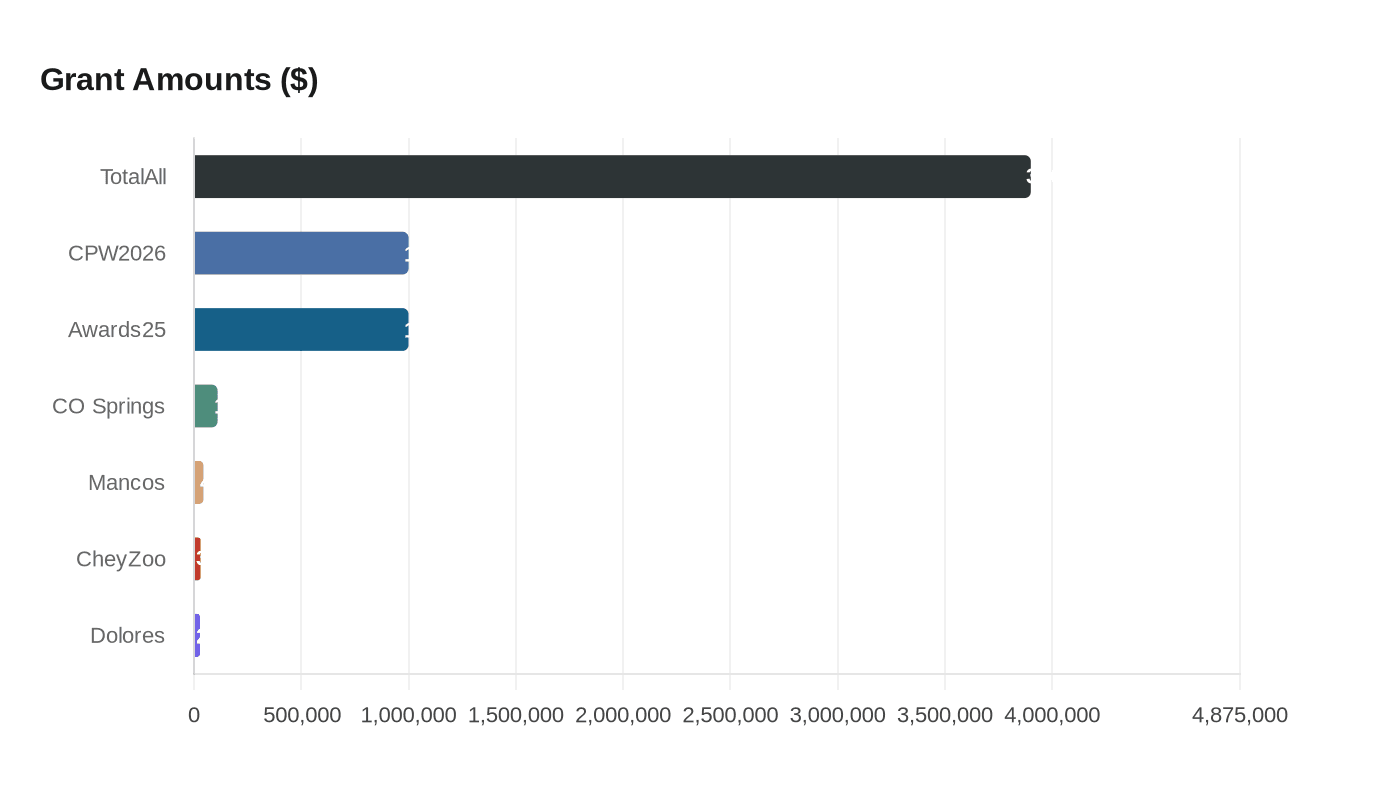
CPW’s award history underscores the program’s local footprint: the agency reported 22 awarded grants and $1,000,000 awarded in 2025 and lists $3.9 million in total awards since inception. Local recipients cited in reporting include Dolores, which received $27,078 for bear‑resistant trash containers in the first grant cycle, Mancos, which received $44,000 for containers on school campuses and for residents, Colorado Springs parks and recreation, which received $110,000 to pay for bear‑resistant trash cans, and Cheyenne Mountain Zoo, which received $31,000 to replace recycling bins with bear‑resistant bins. Past funded project types include bear‑resistant trash cans and containers, campground food lockers, electrical fencing for chicken coops and dumpster enclosures.
Statewide data and climate context frame the urgency CPW describes: 9News reported CPW estimates Colorado has 17,000 to 20,000 bears and that wildlife managers received more than 32,212 reported sightings and conflicts from 2019 through 2025. Gov. Jared Polis said, “Living successfully and safely alongside our wildlife is an important part of who we are in Colorado. These grants will help prevent potentially dangerous conflicts between bears and humans, ensuring we all can enjoy Colorado’s high quality of life, especially in our high country. These investments are an important tool to keep us and wildlife safe and prevent property damage.” CPW public information officer John Livingston warned that “with the lack of winter moisture and snowpack at both high and low elevations, we will really need a lot of spring moisture and to avoid a spring freeze if conditions have any chance of being good for our bears this year,” and added, “We are really going to need people to be diligent about securing trash and attractants around their homes to limit conflict as much as possible.”
CPW’s application timeline shows staff review from June 1–26, 2026 with regional personnel available to discuss proposals and suggest improvements, followed by grant panel scoring June 29–July 28, 2026, with successful recipients to be announced later in the year. Applications are available on CPW’s website and applicants with questions can contact Travis Long at travis.long@state.co.us. The program builds on prior local investments such as Dolores’s $27,078 container award and seeks proposals that demonstrate strong local backing, detailed planning, innovative approaches and the ability to be replicated elsewhere in Colorado.
Sources:
Know something we missed? Have a correction or additional information?
Submit a Tip