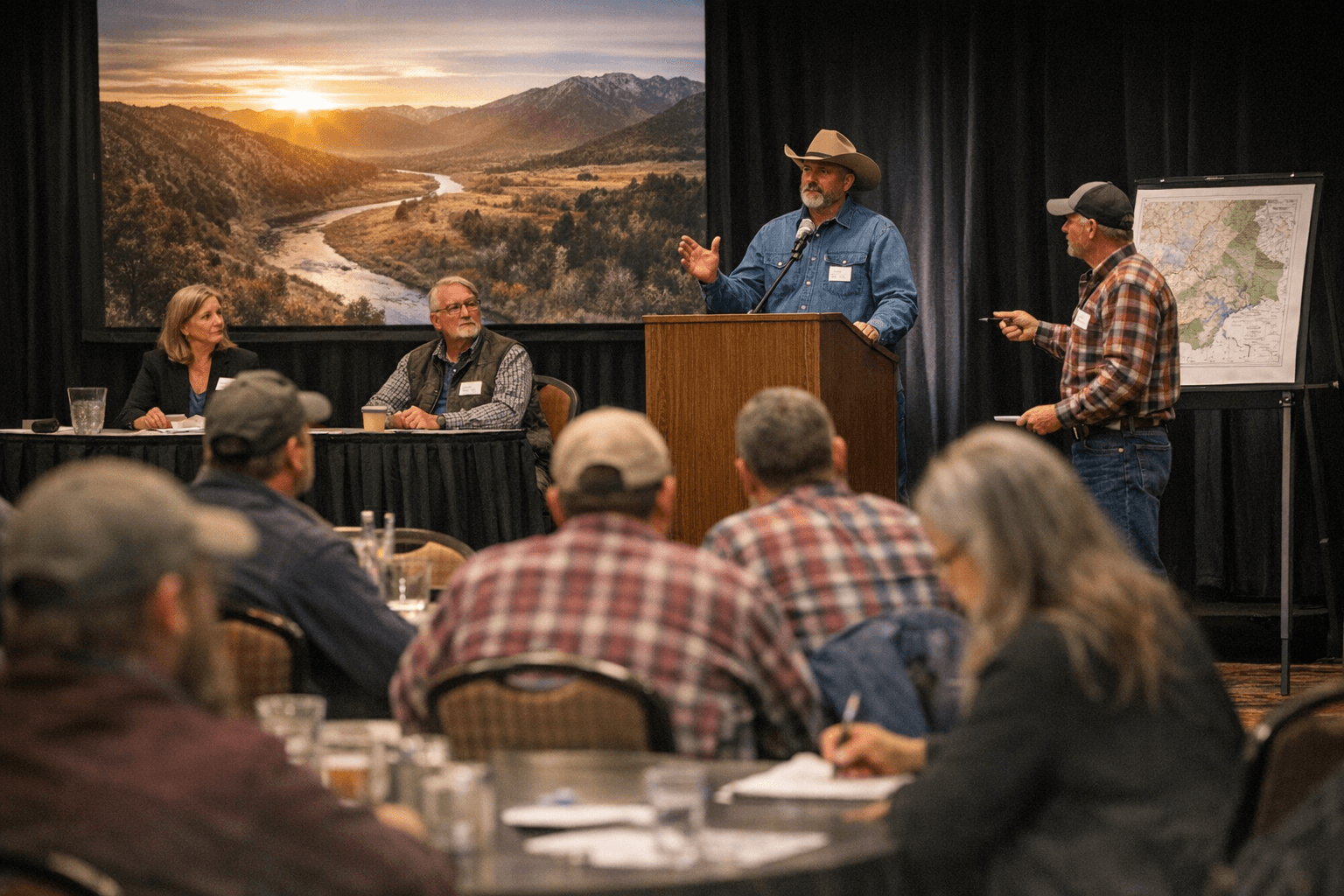
U.S. Drought Monitor: Dolores County Records Driest January in 132 Years
Dolores County recorded the driest January in 132 years, with the U.S. Drought Monitor's weekly update on Feb. 24, 2026 citing continuing indicators of limited winter water supply.
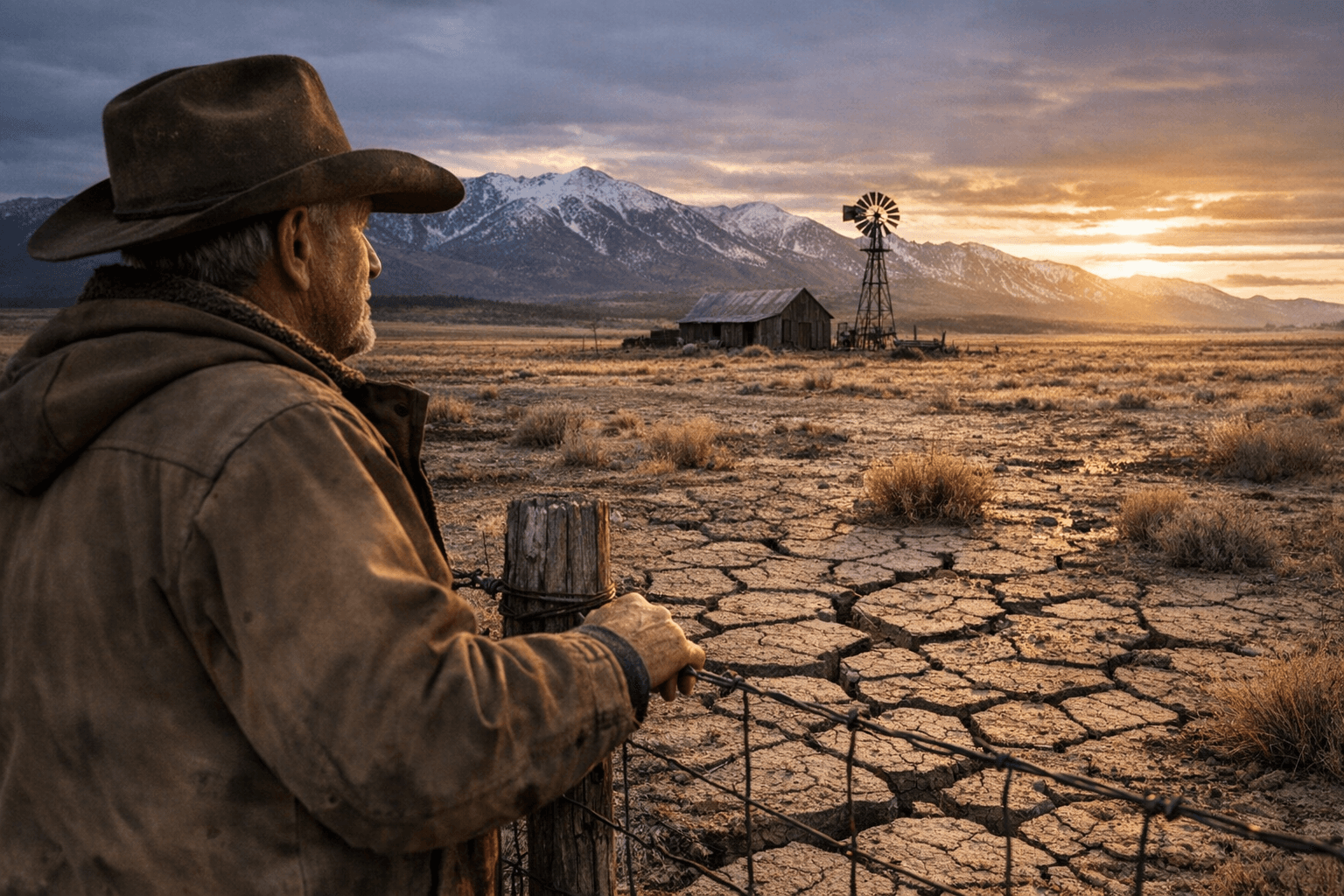
Dolores County experienced an unusually dry January and continuing indicators of limited winter water supply as of the weekly U.S. Drought Monitor update on February 24, 2026." The federal drought summary singled out January 2026 as the "driest January on record, over the past 132 years" and called it the "driest year to date over the past 132 years (January 2026)," putting local water managers and irrigators on alert as the spring runoff period approaches.
The U.S. Drought Monitor classifies conditions using five categories: "The U.S. Drought Monitor depicts the location and intensity of drought across the country using 5 classifications: Abnormally Dry (D0), showing areas that may be going into or are coming out of drought, and four levels of drought (D1–D4)." The monitor is produced collaboratively: "The U.S. Drought Monitor is a joint effort of the National Drought Mitigation Center, U.S. Department of Agriculture, and National Oceanic and Atmospheric Administration."
Operational tools that feed local forecasts are running short on positive signals. "This map shows the probability (percent chance) of above-normal, near-normal, or below-normal precipitation over the next calendar month." Drought.gov products "update daily on Drought.gov, showing mean daily streamflow values from the previous day. View the most recent real-time streamflow data from USGS." A briefing excerpt included the truncated line "The Drought.gov county page for Dolores repor" and did not supply a county-level summary in full.
Regional hydrology runs from headwaters to McPhee Reservoir. The CBRFC hydrologic model snapshot for November lists conditions exactly as briefed: "CBRFC Hydrologic Model Soil Moisture Conditions (November) Below Normal + Similar Upper Green Northern/SW Utah Dolores (Lower) Below Normal + Worse Central Utah Colorado Headwaters Upper Gunnison Above Normal + Better San Juan Central Arizona Near Normal + Similar Uncompahgre (Gunnison) Dolores Headwaters." That model text indicates below-normal soil moisture for Dolores (Lower) alongside mention of Dolores Headwaters.
Water-supply forecasts issued in early January reinforce tight storage prospects for the Dolores basin. The briefing preserved the CBRFC Jan7 lines, including: "Dolores River Basin: McPhee Reservoir Jan7 47% 160 kaf 63% Avg Water Supply Forecast Model Snow % Normal." For regional context, the briefing also included Jan7 lines for other basins: "Gunnison River Basin: Blue Mesa Reservoir Jan7 50% 400 kaf 63% Avg Water Supply Forecast Model Snow % Normal" and "San Juan River Basin: Navajo Reservoir Jan7 31% 380 kaf 60% Avg Water Supply Forecast Model Snow % Normal."
Climate drivers complicate near-term expectations. Forecasters note "La Niña is favored to continue for the next month or two" while also projecting that "A transition to ENSO-neutral is likely in January-March 2026 (68% chance)." The briefing attributes those statements to "Sources: NOAA, IRI." Operational schedules matter for planning: "The Climate Prediction Center updates its monthly precipitation outlook on the last day of every calendar month" and "The Climate Prediction Center issues its Seasonal Drought Outlooks on the third Thursday of each calendar month. Sometimes, the map is adjusted on the last day of the month to maintain consistency with the Monthly Drought Outlook."
The briefing reiterated public-health and infrastructure stakes: "Periods of drought can lead to inadequate water supply, threatening the health, safety, and welfare of communities. Streamflow, groundwater, reservoir, and snowpack data are key to monitoring and forecasting water supply." It also highlighted snowpack risks: "Snow drought is a period of abnormally low snowpack for the time of year. Snowpack typically acts as a natural reservoir, providing water throughout the drier summer months. Lack of snowpack storage, or a shift in timing of snowmelt, can be a challenge for drought planning." Forecasters warned that "Soil moisture/baseflow conditions typically don’t change much during the winter months as there’s usually a frozen snowpack accumulating."
Some briefing text remained truncated and leaves local impact details incomplete: the notes include the fragments "people in Dolores County are affected by drought" and "of people in Dolores County are affected by drought." With McPhee storage at the Jan7 snapshot of 47% of 160 kaf, county officials, irrigators, and water planners will be watching Drought Monitor weekly updates, Drought.gov daily streamflow maps, and the Climate Prediction Center outlooks as spring runoff timing and magnitude hinge on snowpack, spring weather, and soil moisture conditions.
Know something we missed? Have a correction or additional information?
Submit a Tip