CPW Releases Final Beaver Strategy Prioritizing Restoration and Nonlethal Conflict Solutions
CPW will require mandatory check and sealing of avocationally taken beaver to collect precise harvest locations and evaluate drainage-scale impacts.

Colorado Parks and Wildlife published its final Beaver Conservation and Management Strategy on February 27, 2026, crediting CPW staff, stakeholders, technical advisors and members of the public for contributing to the plan. The strategy’s stated aim is to increase and sustain both beaver populations and beaver-influenced wetlands in suitable habitats across Colorado.
The document sets a clear goal: “an increasing trend in beaver populations and beaver‑occupied wetland habitats in Colorado until ecological or social carrying capacity is reached.” CPW’s press release framed the work as part of a larger shift, saying, “Today, a major wildlife conservation movement is emerging to prioritize the ecosystem benefits from this species and increase occupation in appropriate habitats.” Gonzales told The Aspen Times, “The goal is to continue our focus on increasing beaver numbers and wetland acres across the state.”
Mapping and monitoring are central to CPW’s approach. The strategy directs use of the Colorado Beaver Activity Mapper, or COBAM, to improve statewide beaver wetland maps and occupancy estimates and calls for identifying Beaver Restoration Opportunity Watersheds at the HUC-10 scale. That mapping effort grew from scoping work in Summer 2025, a public comment period that closed December 17, 2025, and CPW presentations to the Parks and Wildlife Commission during the January 14–15, 2026 meeting.
The plan couples monitoring with harvest data collection to inform management at watershed scales. Mark Vieira, CPW’s carnivore and furbearer program manager, said, “We would require mandatory check and sealing of avocationally taken beaver each year by harvesters, and staff would collect precise harvest location information at that time,” describing how CPW would gain spatial data to evaluate drainage‑scale impacts. Citizen Portal summaries of the draft framed that data collection as the foundation for contemplating drainage‑level harvest caps, and CPW expects to present proposed rule changes in a March chapter-3 regulatory package with implementation and funding planning through mid-2026.
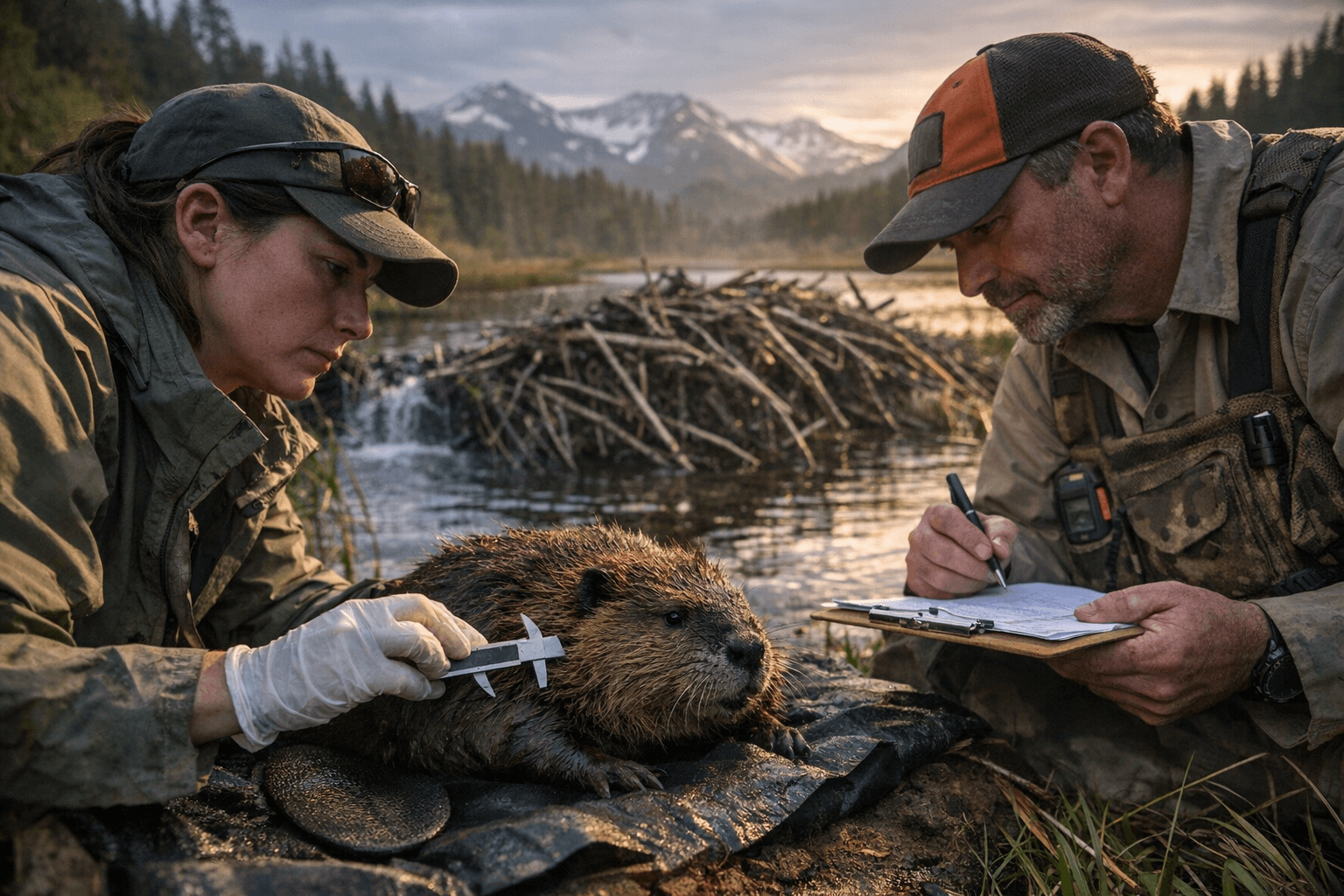
Nonlethal conflict management is emphasized in the strategy, with a push to increase voluntary use of tools such as pond levelers and culvert cages. Critics argue the plan stops short of enforcement. A Coloradopolitics op‑ed said the strategy “appropriately emphasizes the use of non‑lethal conflict management tools” but “does little to ensure their use,” and recommended that landowners seeking lethal removal be required to get a permit and demonstrate good‑faith efforts to implement nonlethal solutions before lethal authorization is granted. The op‑ed linked its recommendations to the broader conservation case that beavers store water, create riparian habitat and act as landscape firebreaks, and suggested readers consult Ben Goldfarb’s book Eager for more on beaver benefits.
The strategy also standardizes translocation policy, calling for standardized translocation permits and quarantine procedures to reduce pathogen and aquatic nuisance species risks. Healthy Rivers staff and board engagement fed into the draft, and Tasker identified three priority restoration areas on the forest—Fourmile, Thompson Creek, and Chapman—for targeted restoration activities. CPW plans partnerships with county, state and federal agencies, tribes, landowners and NGOs to implement monitoring, restoration and coexistence measures.
Colorado Parks and Wildlife frames the strategy within its enterprise-agency context: CPW operates 43 state parks and more than 350 wildlife areas across approximately 900,000 acres and relies largely on license sales, state parks fees and registration fees to fund its work, which CPW estimates contributes roughly $6 billion in economic impact annually to Colorado. The immediate next steps are the March chapter-3 regulatory package and mid-2026 implementation and funding planning, milestones that will determine whether voluntary coexistence tools translate into on-the-ground reductions in lethal beaver removal.
Know something we missed? Have a correction or additional information?
Submit a Tip