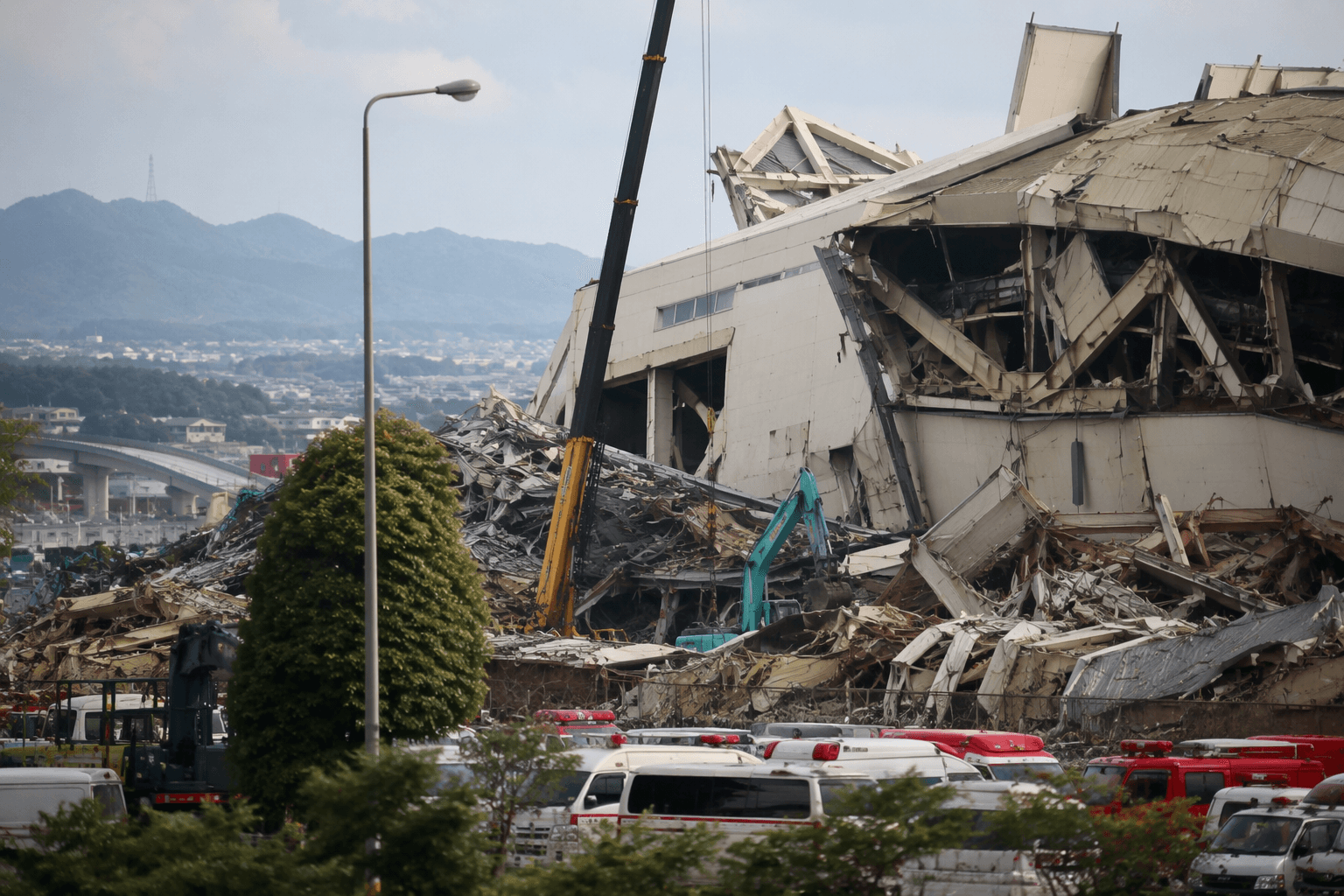
Crete wildfire forces mass evacuations as winds fuel flames
Thousands fled Crete's Rethymno area by road and sea as winds drove a wildfire that killed two firefighters. More than 220 crews battled flames amid a wider southern Europe heatwave.
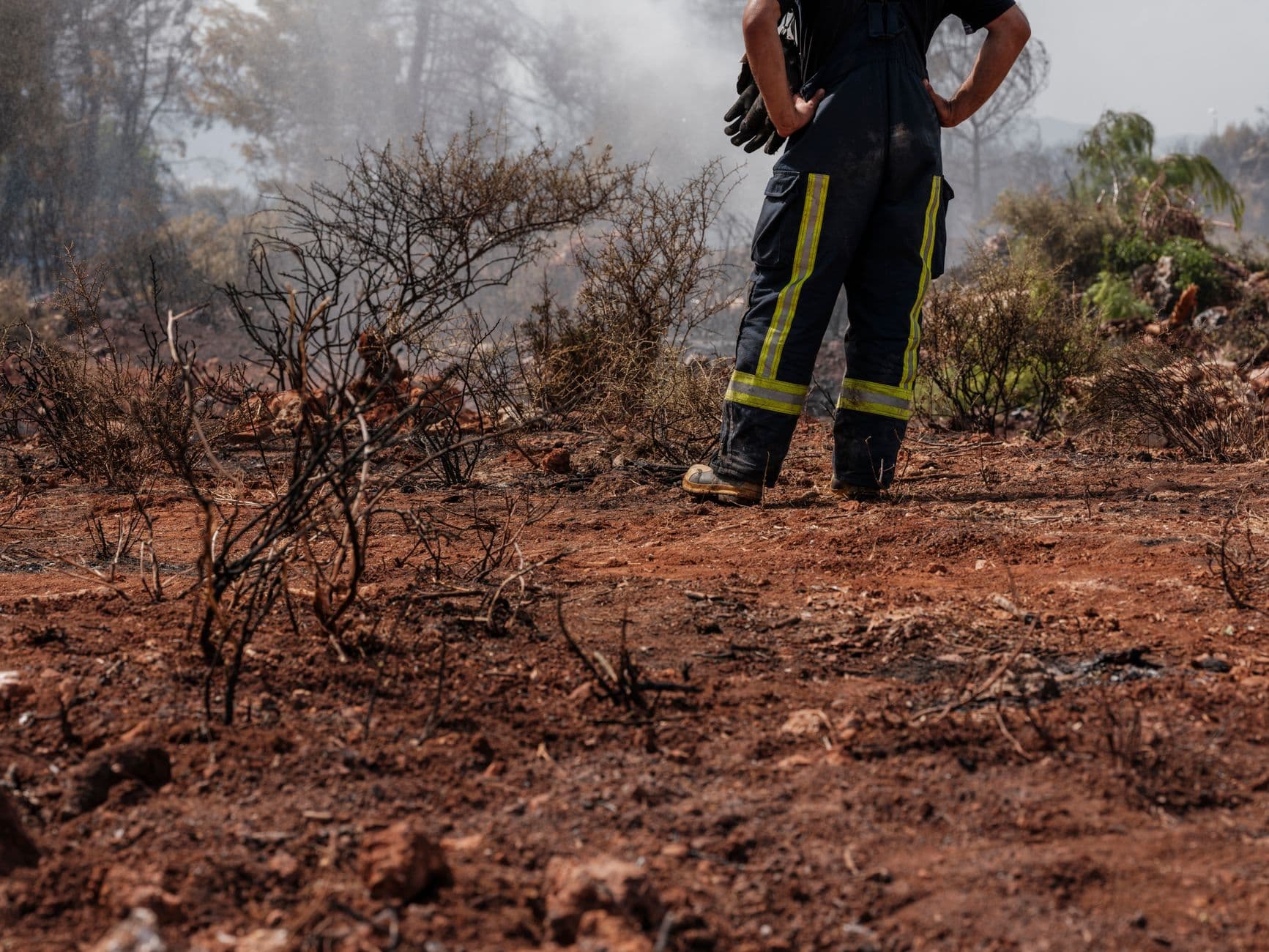
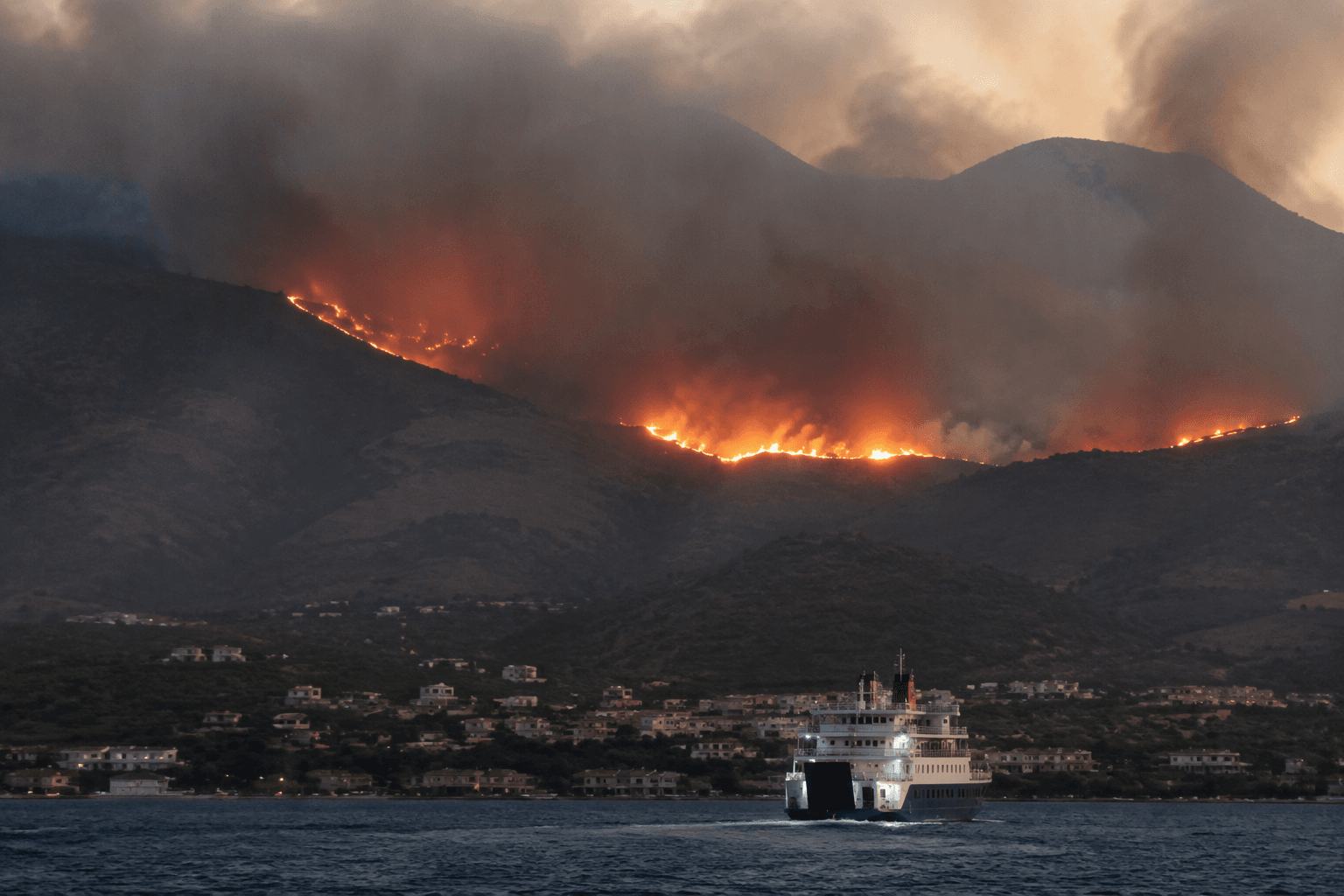
Thousands of residents and tourists were evacuated from villages and resort areas around Rethymno on Crete as strong winds drove a fast-moving wildfire across the southern Greek island. The blaze spread on July 29 and 30, forcing emergency crews to move people by land and sea as flames pushed toward coastal settlements and hotels.
More than 220 firefighters were deployed to fight the fire, backed by aircraft and Greek coast guard vessels. Dry vegetation and gale-force winds made the blaze harder to contain, and Greek fire officials said two firefighters died while battling the fire near Rethymno.
The evacuations reached areas tied closely to Crete’s tourism economy, including resort zones and coastal communities near Ierapetra. Some people were taken off the island’s southern coast by sea after the fire advanced through terrain where road access and wind conditions complicated the response. The operation underscored how quickly a fire on a holiday island can become a logistics problem as well as a safety emergency, with hotels, villages and beach settlements all requiring rapid clearance.
The Crete fire came as southern Europe endured a late-July heatwave that was feeding major blazes across the region. France and Spain were also battling serious wildfires at the same time, in a stretch of summer marked by soaring temperatures, parched vegetation and powerful winds. Greece was facing another wildfire emergency just weeks after a separate July evacuation on Rhodes, where about 20,000 foreign tourists were moved from resorts and hotels during another fire.
That sequence has put pressure on Greece’s emergency response system and on a tourism model built around dense coastal development in landscapes that dry out quickly in hot weather. Crete is one of the country’s flagship vacation destinations, and the evacuations near Rethymno showed how fire seasons that once felt seasonal and localized are now colliding with peak travel patterns, larger crowds and faster-moving weather extremes.
This article was produced by Prism’s automated news system from verified source data, official records, and press releases, then run through automated quality and moderation checks before publishing. The system is built and supervised by the people who set the standards it runs under. Read our full AI policy.
Did this article answer your question?