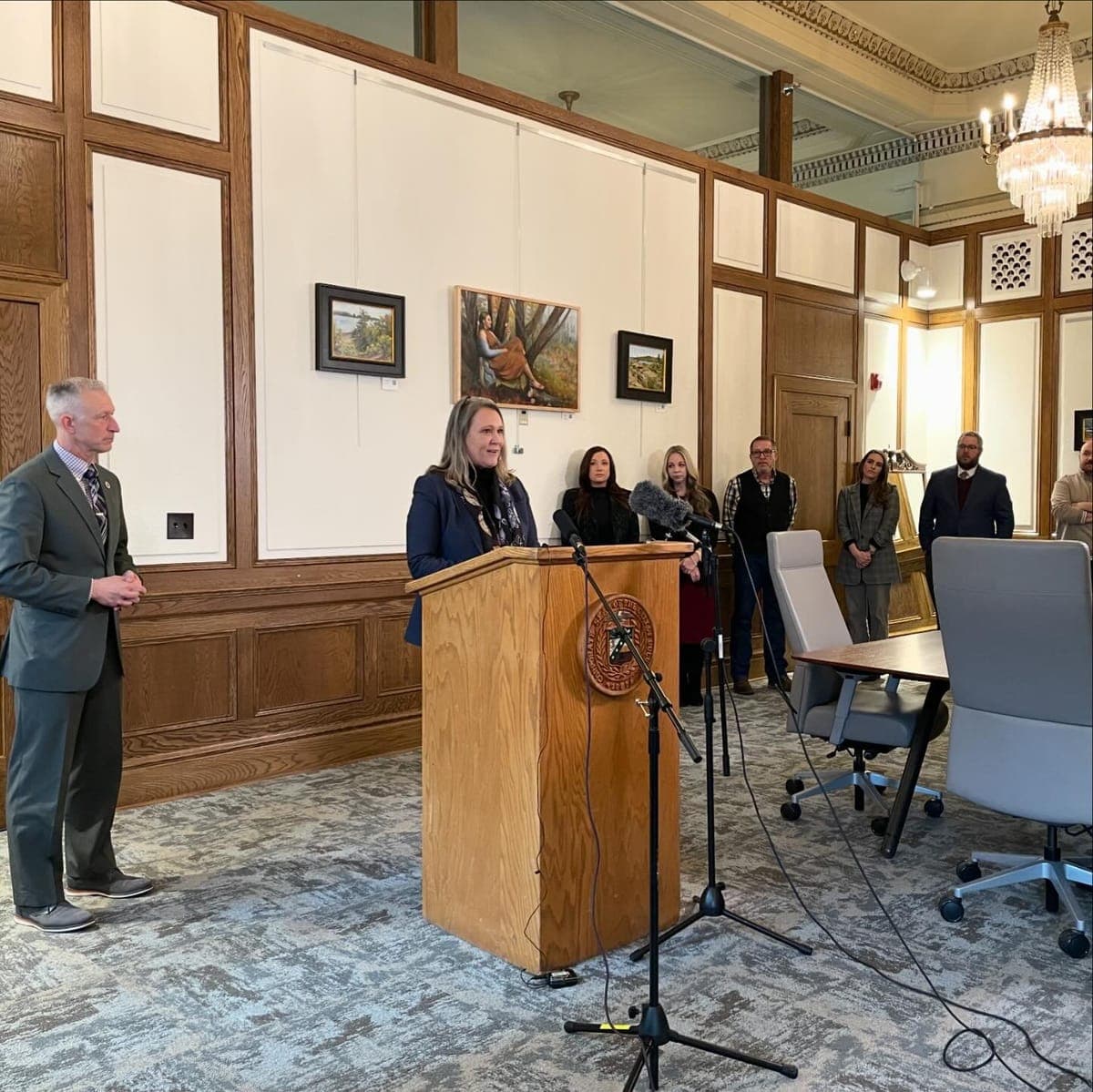
Crowd Fills Duluth City Hall, Urges Police to Stop Cooperating with ICE
A crowd filled Duluth City Hall on Jan. 23 to press Duluth police to stop cooperating with ICE, raising concerns about public safety, trust and support for immigrant neighbors.
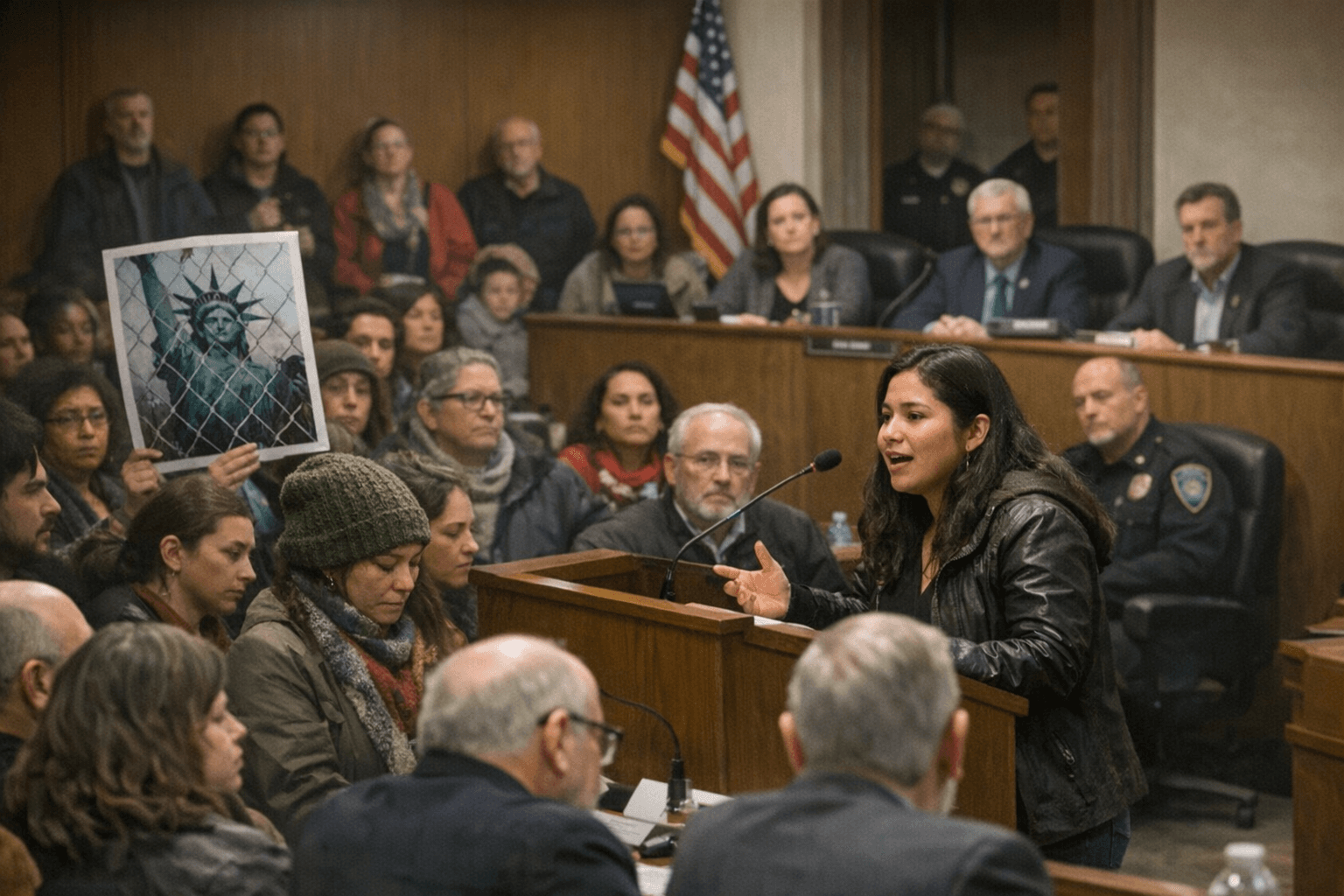
A packed Duluth City Hall on Jan. 23 pressed city leaders and law enforcement to end cooperation with U.S. Immigration and Customs Enforcement, framing local police policy as a matter of public safety and community trust. Bitter cold drove demonstrators indoors, but organizers, local lawmakers, advocates and community groups filled the agenda with testimony and practical demands.
Organizers presented a list of demands that included a clear call for Duluth police to refuse collaboration with ICE. Local lawmakers and advocates took turns addressing the assembled crowd, and community groups offered testimony about the impact of immigration enforcement on families and neighborhood safety. Attendees described feeling activated and focused on concrete ways to support immigrant neighbors, from civic engagement to neighborhood-level assistance.
The gathering formed part of a broader statewide series of actions aimed at opposing federal immigration enforcement operations in Minnesota. Protesters and organizers said Duluth’s policies matter because municipal cooperation with federal agencies can shape whether immigrant residents feel safe reporting crimes, seeking health care or enrolling children in school. The crowd framed the debate as one about trust in policing as much as immigration policy.
For St. Louis County residents, the demonstration underscores how local decisions can reverberate through daily life. If Duluth police maintain formal or informal collaboration with ICE, immigrant residents could face increased fear of interaction with the police, potentially reducing reporting of domestic violence, assault and other crimes. Conversely, a move to curtail cooperation could be seen as an effort to rebuild trust between law enforcement and immigrant communities, but it may also bring legal and political debates over the limits of municipal authority in immigration matters.
City officials have not been quoted in the materials reviewed for this article, and the next formal steps remain to be seen. The demonstration puts pressure on City Hall and on elected officials to clarify Duluth’s policies and to respond to specific demands from organizers. The event also signals that statewide coordination among advocacy groups will continue to push municipal governments across Minnesota to take positions on federal enforcement actions.
For readers in St. Louis County, the immediate takeaway is practical: watch upcoming City Hall agendas, contact city and county representatives, and attend public meetings if you want to influence how Duluth balances federal immigration enforcement with local public safety priorities. The protest on Jan. 23 suggests debate over police-ICE cooperation will remain a local issue with statewide resonance in the weeks ahead.
Sources:
Know something we missed? Have a correction or additional information?
Submit a Tip