Visit Duluth to Manage $695,000 in Discretionary Tourism Tax Funds
Visit Duluth will control $695,000 in discretionary tourism tax grants under a five-year deal, with applicants required to report visitor origin data.
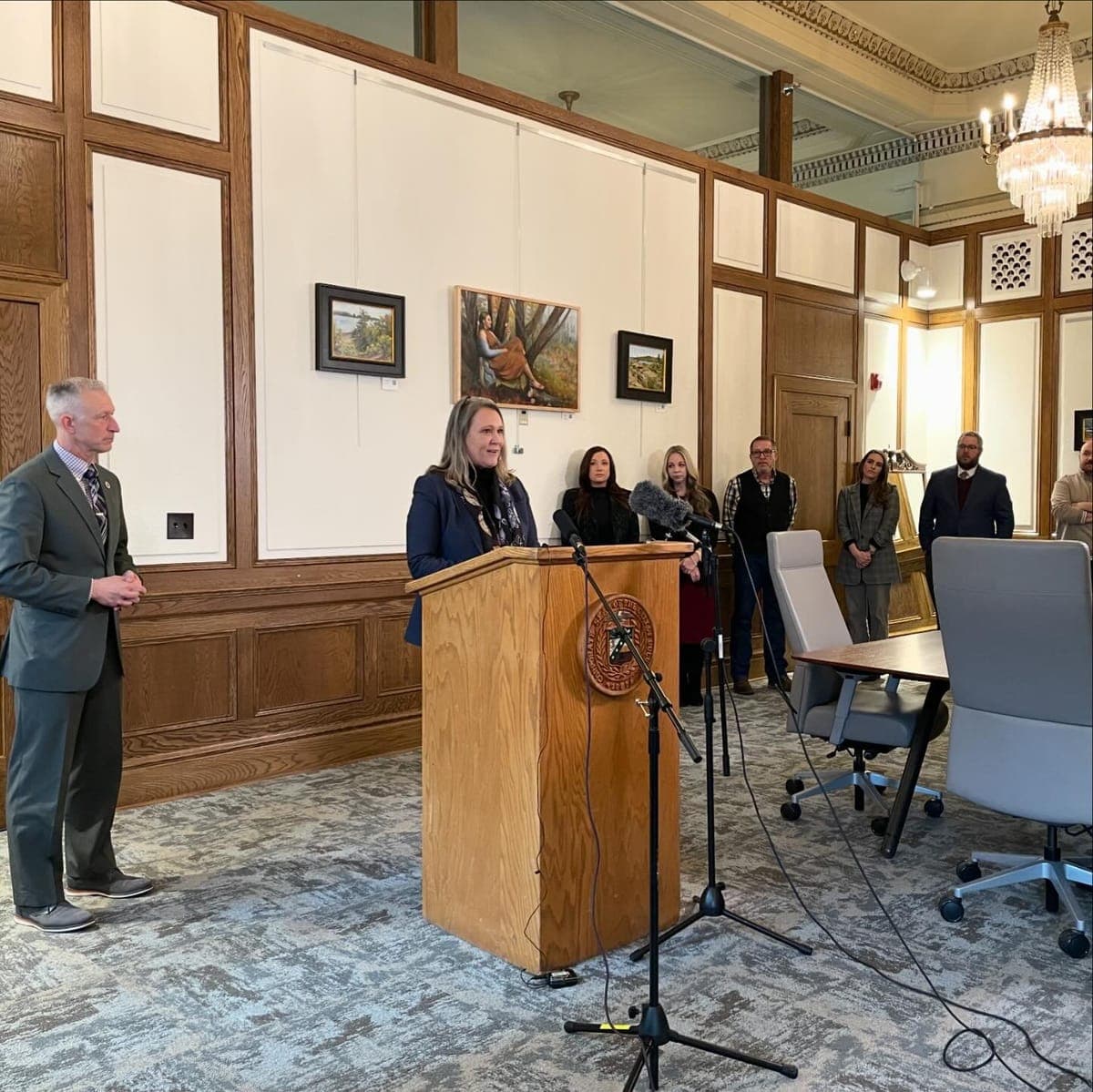
For the first time in its history, Visit Duluth will oversee the discretionary portion of Duluth's tourism tax revenue, taking charge of a $695,000 grant pool under a five-year service agreement approved in March.
Mayor Roger Reinert framed the shift as a deliberate effort to remove politics from an allocation process that sits within a much larger revenue picture: the city expects to collect more than $15 million in tourism taxes next year, making the $695,000 discretionary pool a targeted slice of a growing fund. Reinert enlisted Visit Duluth specifically to evaluate applications, contending the newly reconstituted organization is better suited to identify worthy partners than city hall.
The arrangement returns Visit Duluth to a homegrown role after several years in which the city outsourced its destination marketing to firms without local roots. Executive Director Haley Hedstrom will now manage the application review and award process for the discretionary pool, though the Duluth City Council retains final approval of total allocations by resolution.
"Visit Duluth is responsible for administering the tourism tax allocation process that supports organizations, programs and events that actively drive Duluth's tourism and visitor economy," Hedstrom said. "Our focus is on ensuring that these funds are distributed strategically to maximize their impact and return on investment."
One notable new requirement for applicants: visitor origin data. Visit Duluth will require all applicants to report where their visitors come from as a condition of the process, adding a layer of accountability designed to demonstrate that funded events and programs are actually pulling people into Duluth from outside the region. Hedstrom described the overall shift in sharper terms: "This isn't just a subsidy. It's an investment engine."

During council discussion, members raised two specific concerns. First, whether smaller, volunteer-run attractions could realistically meet the data and reporting requirements. Hedstrom said staff and Visit Duluth can provide application support to those organizations and noted that many of them have historically received discretionary funding. Second, whether geography would factor into awards and ensure neighborhoods across Duluth benefit. Hedstrom said location is not a specific scoring criterion; the board evaluates mission and visitor impact instead.
The longer horizon for the new structure runs through a Destination Master Plan that Visit Duluth is contractually required to complete by September 2026. That plan will establish a data-driven framework to guide discretionary funding decisions beginning with the fiscal year 2027 cycle. "The plan will provide a data-driven framework to help ensure tourism tax investments are made strategically to strengthen Duluth's visitor economy and grow our tax base," Hedstrom said.
Visit Duluth has committed to providing the city a comprehensive annual report on outcomes and keeping city staff informed at key points throughout the allocation cycle, preserving public accountability even as the administrative work shifts out of city hall.
This article was produced by Prism’s automated news system from verified source data, official records, and press releases, then run through automated quality and moderation checks before publishing. The system is built and supervised by the people who set the standards it runs under. Read our full AI policy.
Did this article answer your question?