Reinert joins Great Lakes coalition board, eyes shipping growth
Roger Reinert landed a seat on a Great Lakes coalition board as Duluth pushes to turn underused shipping capacity into jobs, port traffic and shoreline resilience.
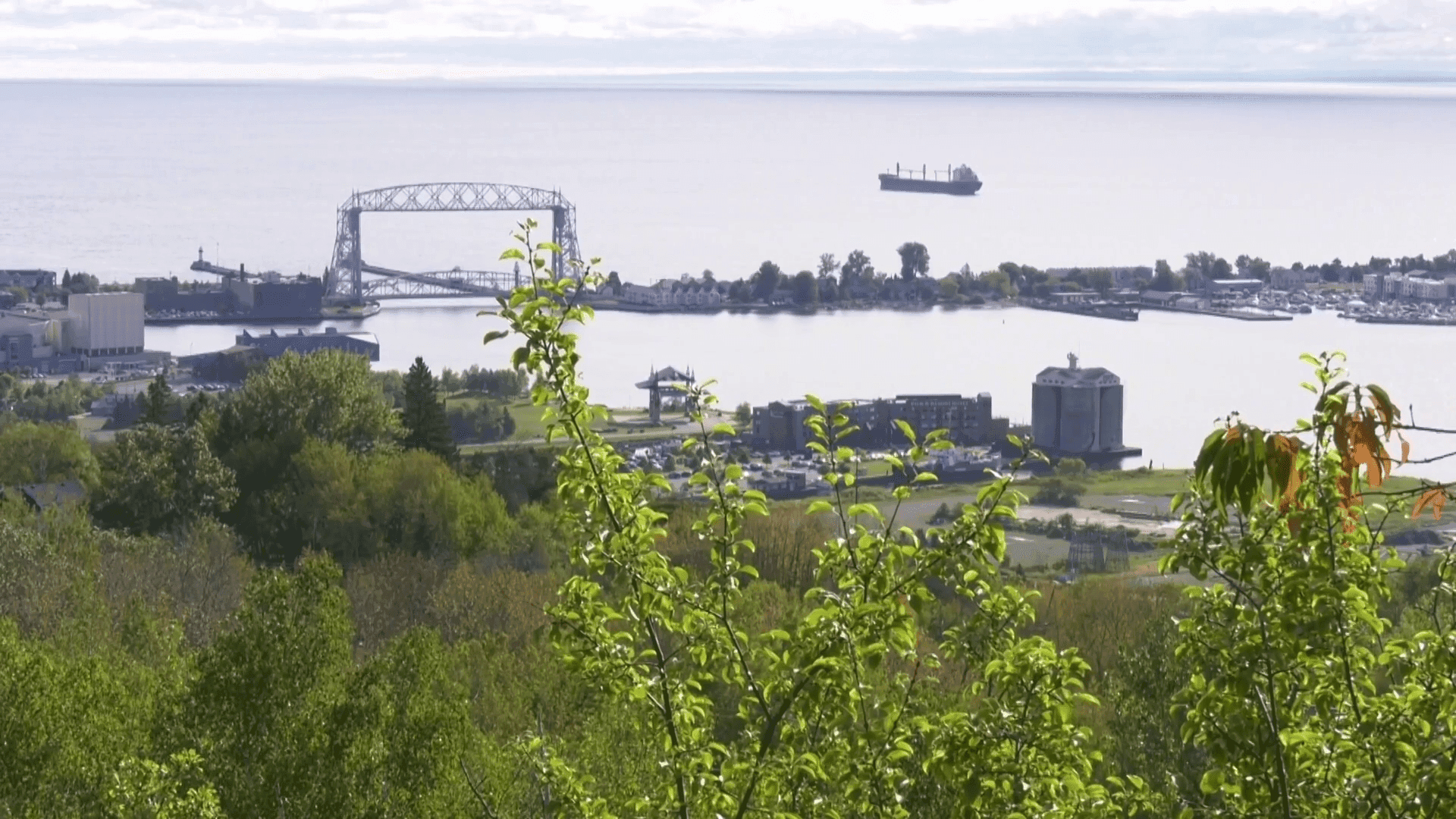
Duluth Mayor Roger Reinert has joined the board of the Great Lakes and St. Lawrence Cities Initiative, giving the city another voice inside a binational coalition that is trying to connect economic growth with freshwater protection. The appointment came through the membership at the group’s annual meeting last week, and it puts Duluth in a position to press harder on the issues that matter most along the Lake Superior shoreline: shipping, infrastructure and jobs.
The initiative describes itself as a coalition of more than 450 municipalities across the Great Lakes and St. Lawrence Seaway corridor. Its current Fresh Coast Economic Transformation Action Plan is a 10-year blueprint for regional economic growth and freshwater stewardship, and Reinert has framed his new role around working with other port cities on shared priorities. His argument is straightforward: the Great Lakes-St. Lawrence Seaway was once a major economic backbone for North America, and it still has room to carry more freight and support more industrial activity.
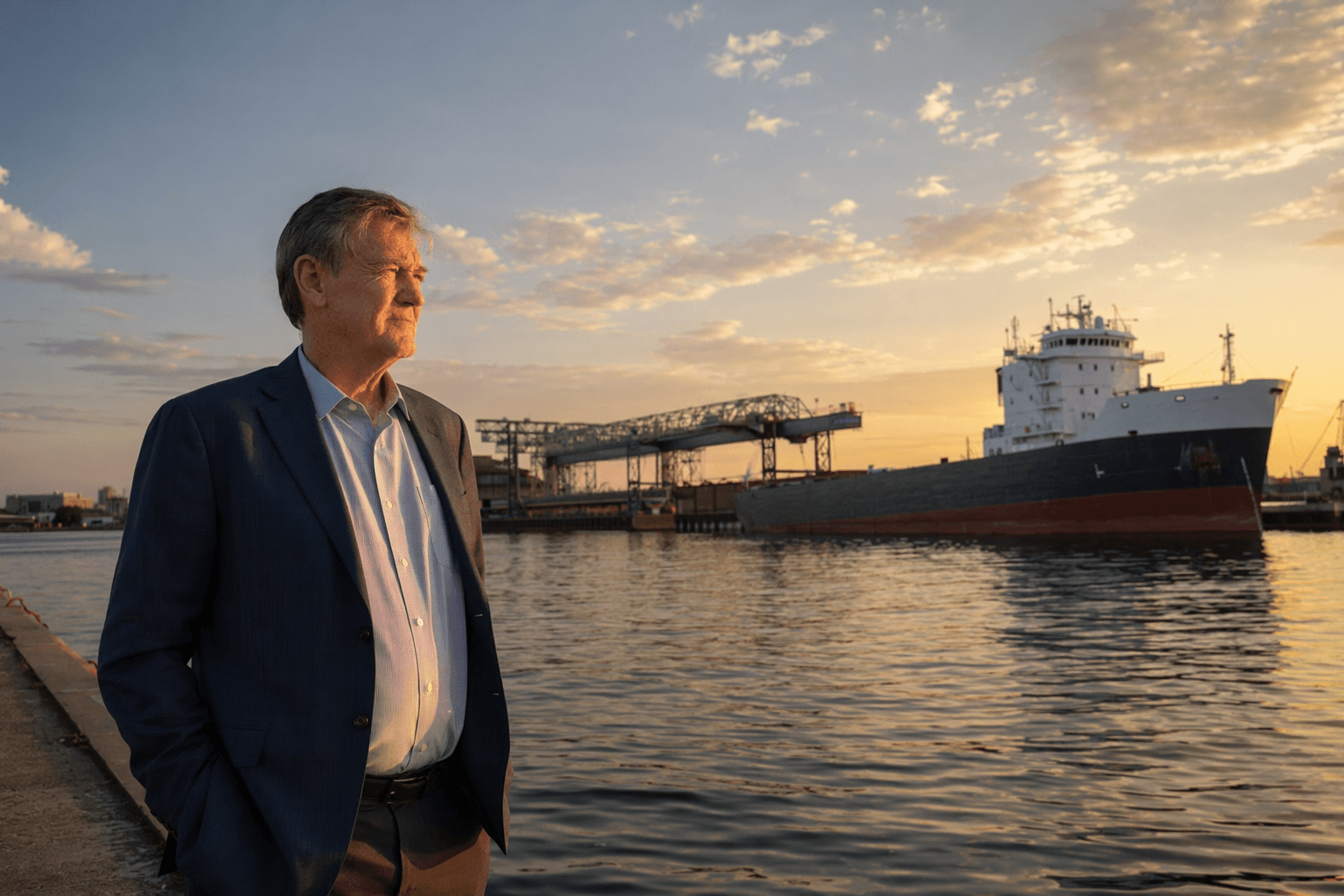
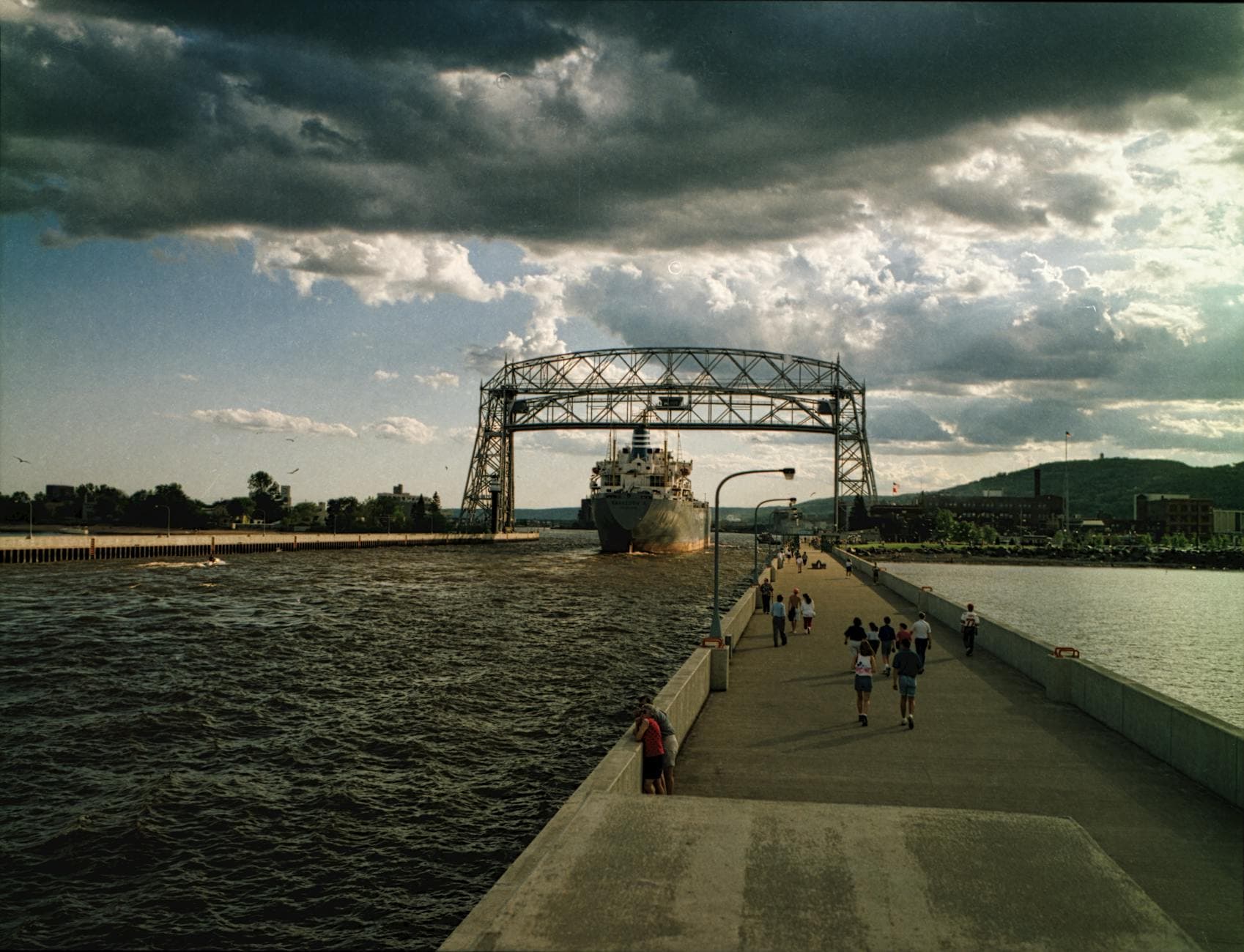
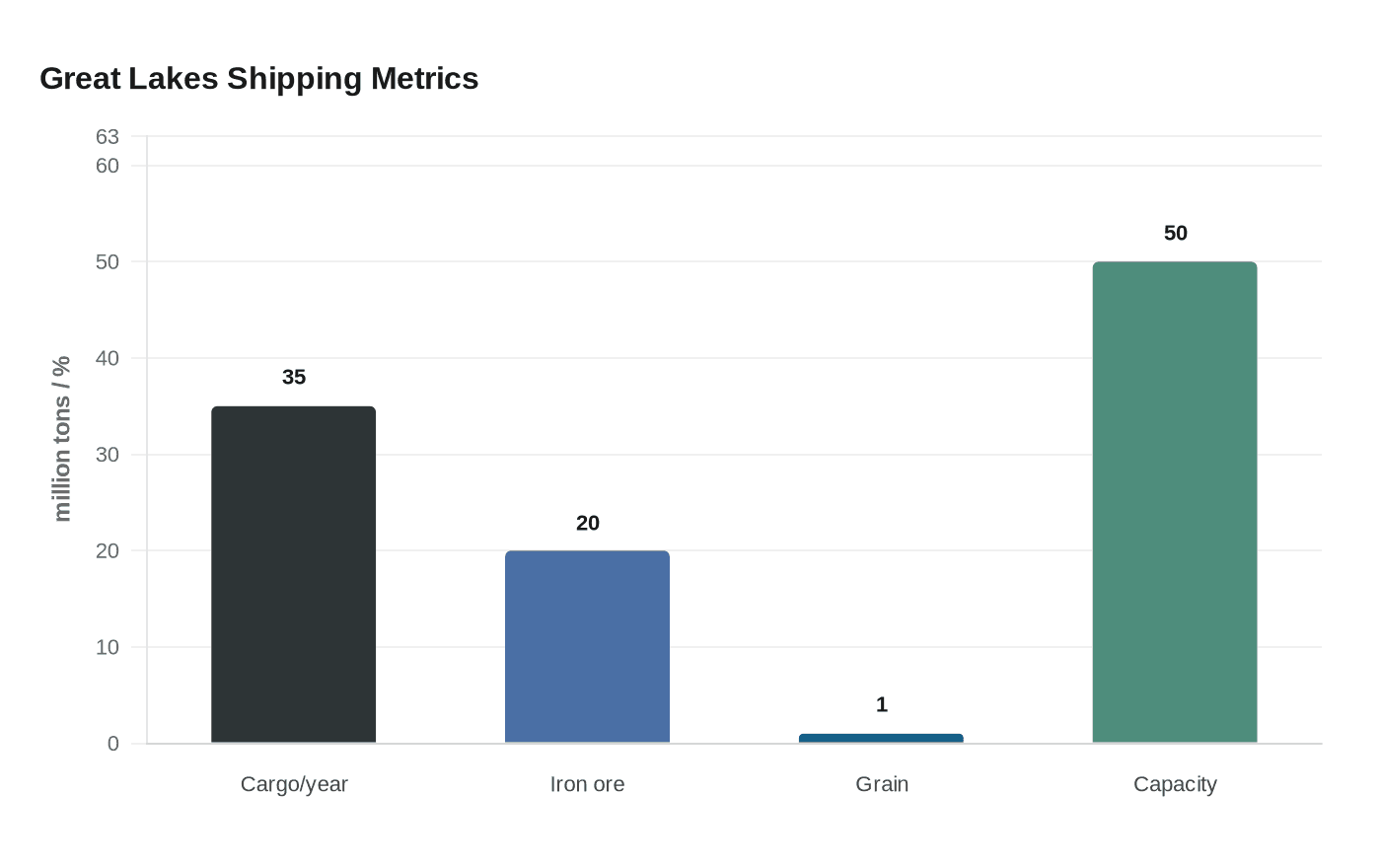
That is where the local stakes sharpen for Duluth and St. Louis County. The Port of Duluth-Superior calls itself North America’s farthest-inland freshwater seaport and the Great Lakes’ cargo capital. The port says it moves an average of about 35 million short tons each year, including about 20 million tons of iron ore and more than 1 million tons of grain each shipping season. In a region where waterfront land, rail connections and shoreline resilience are tied to the same economic chain, a board seat in a regional coalition can influence whether Duluth gets more than symbolic recognition.
The broader shipping system Reinert wants to tap is also operating well below its stated potential. A backgrounder backed by HOPA Ports and Transport Canada says the Great Lakes-St. Lawrence Seaway is running at roughly 50% of total potential capacity. A Congressional Research Service report says shipping volumes have been in long-term decline and many port wharfs remain vacant. That is the backdrop for any talk of growth in Duluth: new business will not come without infrastructure investment, market demand and coordinated policy across the region.
The economic case is large enough to keep attention on the board seat. A U.S. government source says Great Lakes-Seaway shipping supports 241,286 jobs and $36 billion in economic activity. The Cities Initiative’s 2025 launch materials said the Fresh Coast Economic Corridor could unlock opportunities for 18 million new jobs. For Duluth, the question now is whether Reinert’s new role helps turn that regional vision into tangible gains at the port, on the shoreline and in the city’s industrial future.
This article was produced by Prism’s automated news system from verified source data, official records, and press releases, then run through automated quality and moderation checks before publishing. The system is built and supervised by the people who set the standards it runs under. Read our full AI policy.
Did this article answer your question?