Crowds of 400,000 Descend on Florida's Space Coast for Artemis II Launch
Some 400,000 visitors flooded Florida's Space Coast on April 1 as Artemis II lifted off, sending astronauts beyond low Earth orbit for the first time in over 50 years.
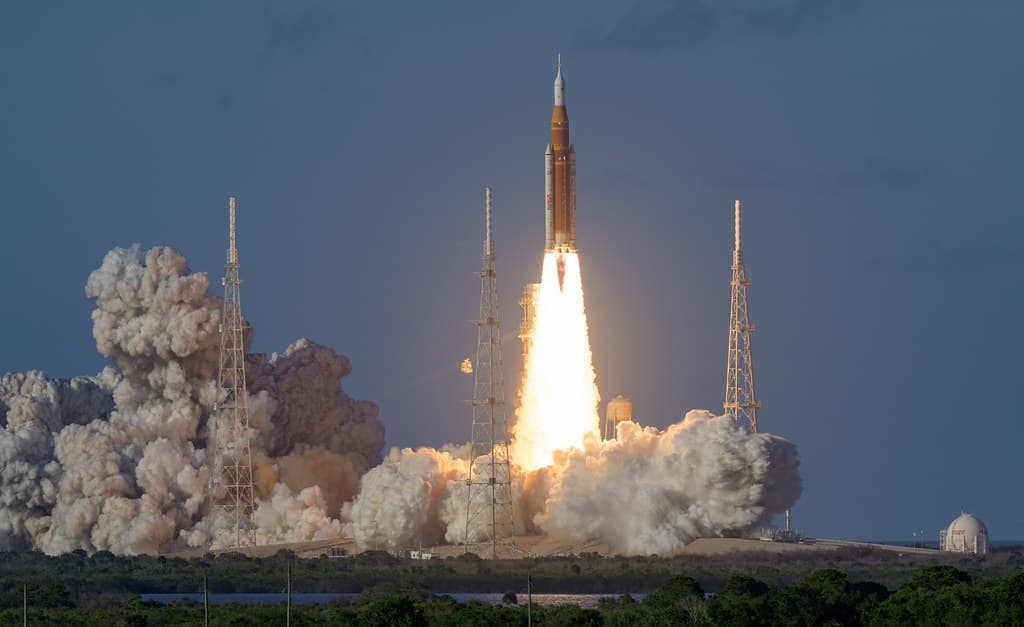
An estimated 400,000 visitors flooded Titusville and the surrounding Space Coast on Tuesday as NASA's Space Launch System cleared Launch Complex 39B at 6:35 p.m. ET, carrying four astronauts on the first crewed mission beyond low Earth orbit since Apollo 17 in December 1972.
The scale of the crowd transformed Brevard County days before the rocket moved. Spectators had been camping near Kennedy Space Center for days to lock in prime sightlines. At Space View Park, a free public viewing area along the Indian River roughly 15 miles from the launch pads, 1,000 people had already gathered by liftoff. Pat Dimond flew in from Colorado with her childhood friend Kathy Walker, the pair arriving Saturday morning, three days early, to claim front-row seats at the end of a pier overlooking the river. John Tilgore drove down from Tallahassee for a specific reason: to feel "the vibrations" of the rocket.
That kind of pull on the national imagination strained local infrastructure. Brevard County EMA Communications Director Don Walker urged visitors to allow extra travel time as officials warned of significant gridlock through Titusville and surrounding Brevard County. Locals adjusted by stocking up on groceries early and rerouting school schedules. Fake ticket scams targeting the launch surfaced in the days prior, a measure of how thoroughly the event had been commercialized before the rocket ever left the pad.
Space View Park, positioned across the Max Brewer Bridge from the Merritt Island National Wildlife Refuge entrance, draws crowds because it delivers: a clear sightline to the launch complex and a live audio countdown feed. The park has become a civic anchor for Space Coast launch culture, turning what could be a distant technical event into something visceral and communal.
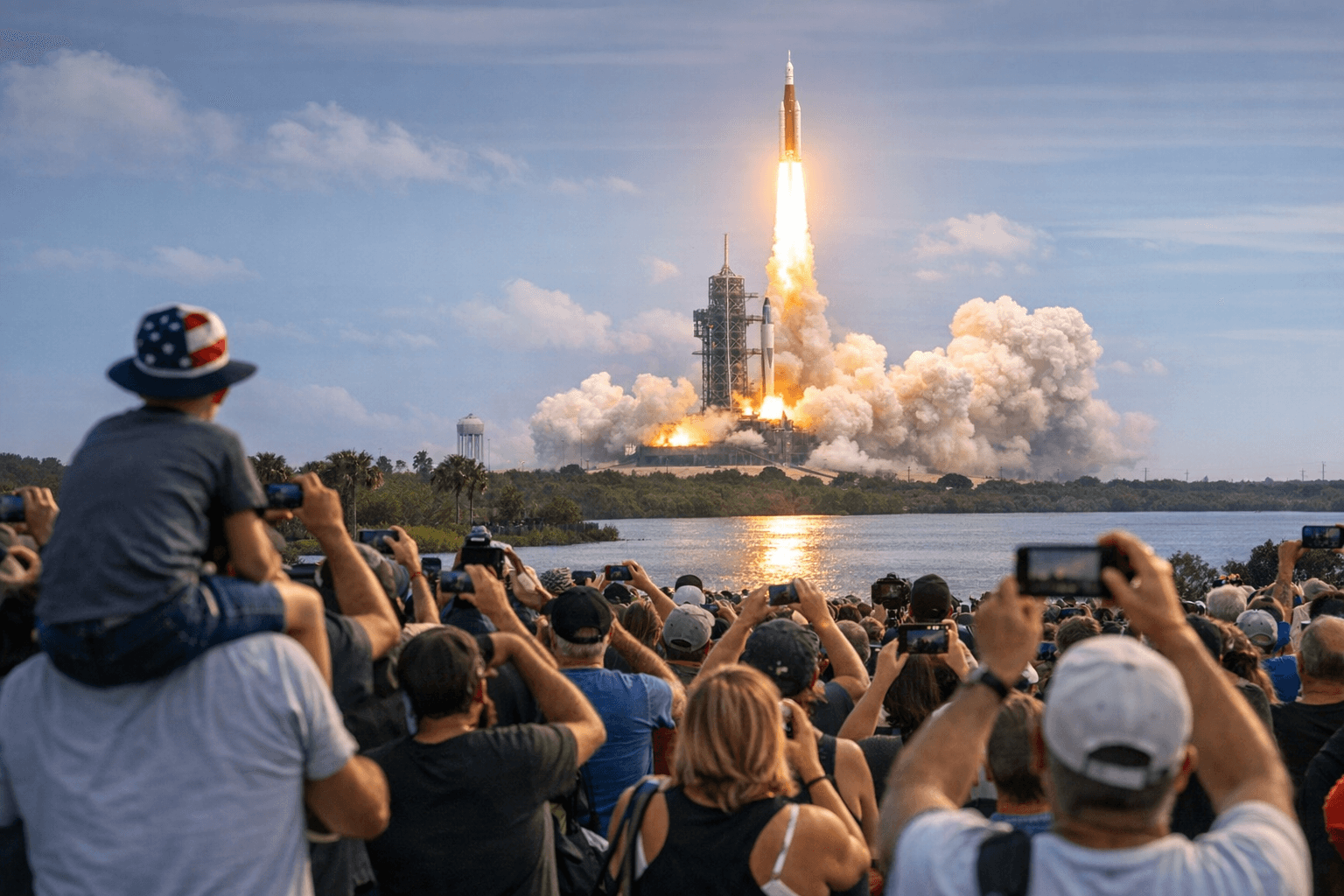
The rocket lifted off 11 minutes after the scheduled 6:24 p.m. ET window opened. Aboard the Orion spacecraft were commander Reid Wiseman, pilot Victor Glover, and mission specialists Christina Koch and Canadian Space Agency astronaut Jeremy Hansen. The 10-day lunar flyby carried multiple historic firsts simultaneously: Glover becomes the first Black astronaut to travel beyond low Earth orbit, Koch the first woman to journey toward the moon, and Hansen the first non-American astronaut to cross that threshold.
The mission does not include a lunar landing. Instead, the crew will swing more than 7,400 kilometers beyond the far side of the moon on flight day six, reaching a distance of over 400,000 kilometers from Earth and potentially surpassing the record set by Apollo 13 in April 1970. Artemis II builds directly on the uncrewed Artemis I flight in 2022, which validated both the SLS rocket and the Orion capsule. A crewed lunar landing is targeted for the Artemis III mission in 2028, with China's own lunar program providing competitive urgency to that timeline.
NASA described the mission as "a key step toward long-term return to the Moon and future missions to Mars." The crowd gathered along the Indian River, many of whom had traveled hundreds of miles for a view from 15 miles away, represented something beyond spectacle: for the first time in more than half a century, the United States had put astronauts on a trajectory past the moon.
This article was produced by Prism’s automated news system from verified source data, official records, and press releases, then run through automated quality and moderation checks before publishing. The system is built and supervised by the people who set the standards it runs under. Read our full AI policy.
Did this article answer your question?

