CSB faults PEMEX for mislabeled piping after 27,000‑lb H2S release kills two
The U.S. Chemical Safety Board found PEMEX Deer Park's failure to standardize equipment identification led to about 27,000 pounds of hydrogen sulfide released, killing two contractors.
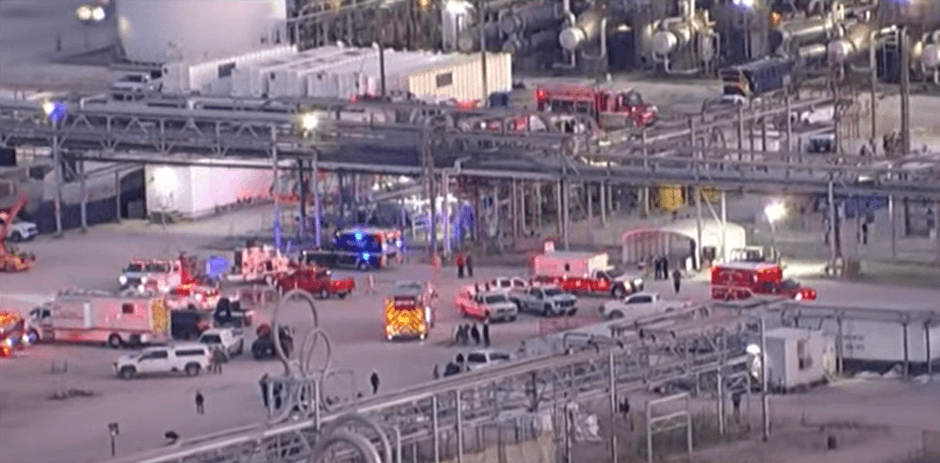
PEMEX Deer Park’s failure to standardize equipment identification led to the release of about 27,000 pounds of hydrogen sulfide that killed two contract workers, the U.S. Chemical Safety and Hazard Investigation Board said in its final report released Feb. 23. The board concluded that workers preparing an idled unit opened the wrong flange on a pipe from an operating unit, allowing a deadly plume to form and prompting shelter-in-place orders in Deer Park and Pasadena.
Investigators traced the sequence to preparatory work on an out-of-service unit. Workers opened a flange that belonged to a nearby operating line, releasing hydrogen sulfide that the CSB said reached concentrations of at least 500 parts per million at the refinery. Two contractors died at the site, 13 other workers were taken to local medical facilities for evaluation, and dozens more were treated on scene.
The CSB identified the core problem as an absence of a standardized system for marking and verifying equipment prior to line-opening activities. "The CSB concludes that PEMEX Deer Park had written procedures that standardize pipe marking for pipe cutting but did not have a standardized process for flange opening and blind removal activities," the board wrote. "Had PEMEX Deer Park required clear standardized markings for all line opening activities, this incident may have been prevented." The report also noted that without reliable identification, "workers searched for unlocked flange devices similar to what they had seen elsewhere in the refinery."
To address those failures, the CSB recommended that PEMEX label all piping in the affected unit in accordance with ANSI/ASME A13.1, implement procedures to ensure workers reassigned to units in "Positive Isolation Status" are fully informed of hazards and safeguards, and establish a comprehensive conduct-of-operations system consistent with the Center for Chemical Process Safety’s guidance on operational discipline. The board also urged the American Society of Mechanical Engineers to develop written guidelines establishing a standard practice for marking equipment prior to line-opening activities.
The CSB’s remit is advisory; it does not levy fines or citations. Its recommendations are intended for companies, industry groups, labor organizations, and regulatory agencies including OSHA and the EPA. The report underscores a broader regulatory gap: the CSB said accidental releases from opening the wrong equipment are common in the chemical and refining industries and that no industry-wide standard currently addresses marking equipment before line-opening work.
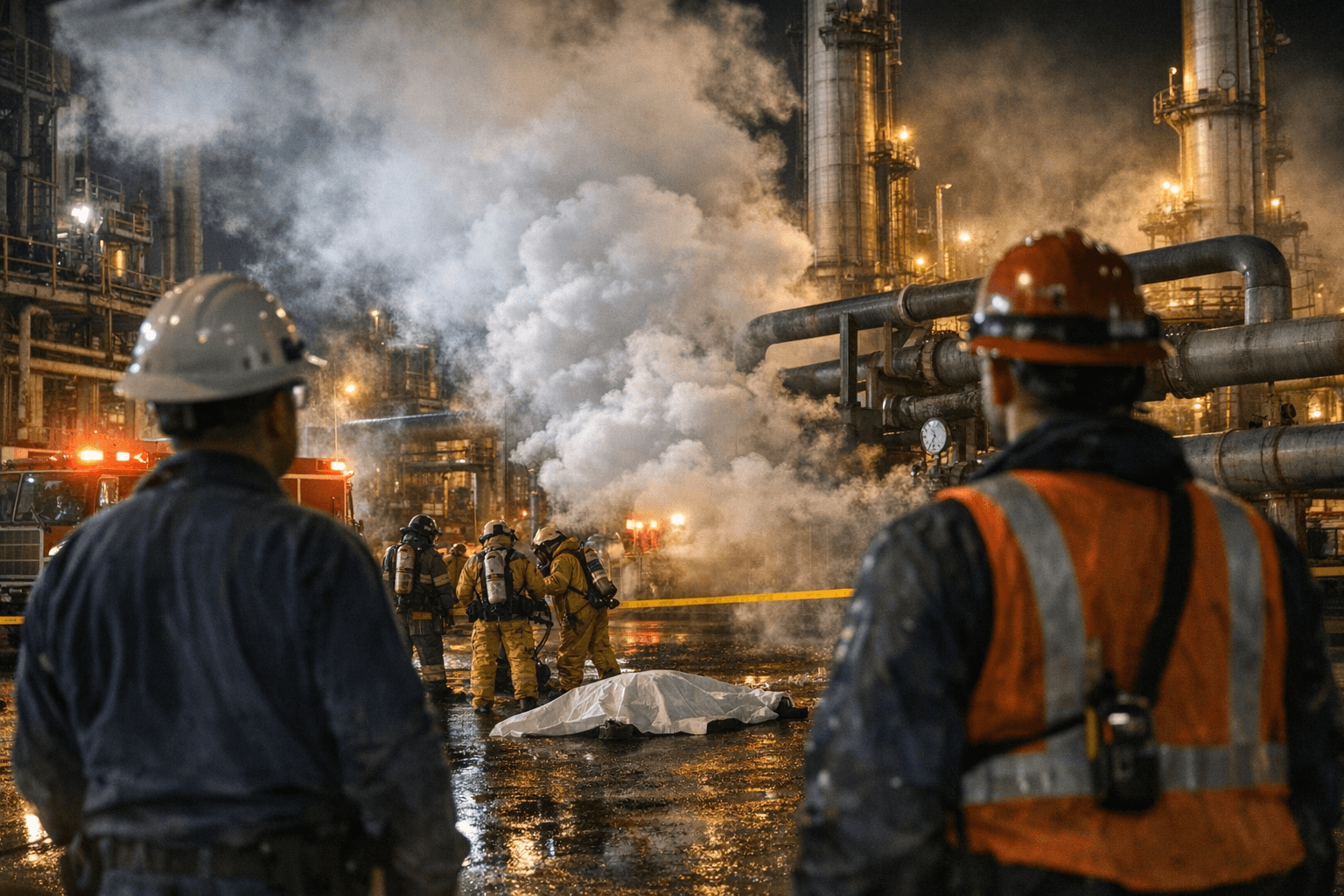
Since the incident, Reuters and the CSB reported that the Pemex Deer Park refinery has adopted a system to identify equipment to be opened for work. The refinery and the contractor company named in local reporting did not immediately respond to requests for comment regarding the CSB’s final findings.
A legal commentary by the law firm KherkherGarcia characterized the October 2024 leak as "the largest such release in Texas in a decade" and asserted federal agencies including OSHA and the Texas Commission on Environmental Quality were probing the incident. Those assertions remain marketable claims that industry and regulators can confirm or contest through enforcement filings and public statements.
The CSB report frames the incident as preventable and points to an actionable policy solution: clear, enforceable standards for identifying and isolating lines before work begins. For communities near heavy industry, the findings underscore how gaps in operational discipline and industry standards can translate into immediate hazards for workers and nearby residents.
This article was produced by Prism’s automated news system from verified source data, official records, and press releases, then run through automated quality and moderation checks before publishing. The system is built and supervised by the people who set the standards it runs under. Read our full AI policy.
Did this article answer your question?

