U.S. Customs to stop collecting IEEPA tariffs as ruling puts $175 billion at risk
CBP will halt IEEPA duty collections Feb. 24, potentially exposing more than $175 billion in revenue to refund and leaving importers in limbo pending system updates.

U.S. Customs and Border Protection said it will stop collecting tariffs imposed under the International Emergency Economic Powers Act, a change that could put more than $175 billion in Treasury receipts at risk of refund, according to a Penn-Wharton Budget Model estimate that also put daily IEEPA revenue at over $500 million.
The action follows a U.S. Supreme Court decision in Learning Resources, Inc. v. Trump that the president lacked authority under IEEPA to impose the levies. The court handed the government a 6-3 defeat, and the president issued an Executive Order the same day stating the IEEPA-based “additional ad valorem duties” shall no longer be in effect. CBP said in Cargo Systems Messaging Service guidance that it will cease IEEPA duty collection on or after Feb. 24 and will de-activate tariff codes tied to the prior IEEPA orders.
There is a narrow timing discrepancy in the published guidance: one CBP CSMS notice cited by legal analysts said collections would cease on or after 12:00 a.m. Eastern on Feb. 24, while CBP’s operational message set the effective time at 12:01 a.m. Eastern. CBP’s CSMS message also said, “CBP will provide additional guidance to the trade community through CSMS messages as appropriate.” The agency provided no operational timeline for refunds and offered no details in the CSMS text on how previously collected duties would be repaid.
Administration officials simultaneously directed replacement trade measures under different authorities, complicating the operational picture for importers. Legal analysis circulating in government and trade circles describes a temporary Section 122 import surcharge initially set at 10 percent for 150 days and expected to rise to 15 percent, with application to entries on or after Feb. 24. Other official statements describe the measure as a 15 percent global tariff under a separate authority. Both tracks reflect an intent to preserve revenue and trade policy effect while shifting legal basis away from IEEPA.
The Supreme Court ruling also clarified that disputes over these tariffs belong in the Court of International Trade, a point with immediate consequences for how refund claims and litigation will be channeled. Companies have already begun testing that path: FedEx filed suit seeking full refunds of tariffs it paid and stated, “FedEx has taken necessary action to protect the company’s rights as an importer of record to seek duty refunds from U.S. Customs and Border Protection following the U.S. Supreme Court’s ruling that the tariffs issued under the International Emergency Economic Powers Act (IEEPA) are unlawful.”
Operational frictions persisted in the days after the ruling. Industry brokers reported that CBP systems still required reporting of IEEPA tariff codes to secure cargo release, forcing importers to continue paying duties until system changes were completed. “Customs has not removed the requirement to report the IEEPA tariff codes in order to obtain a release of goods, so for cargo to continue moving, the IEEPA tariffs are still being reported on entries,” said Lori Mullins, director of operations at Rogers & Brown Custom Brokers. “We are still anticipating a CSMS message confirming that a change to now accept entries without these tariffs, but as of now, that change has not been made, and Customs still requires them.” Mullins added that importers face a 10-day window to pay assessed duties under current practice.
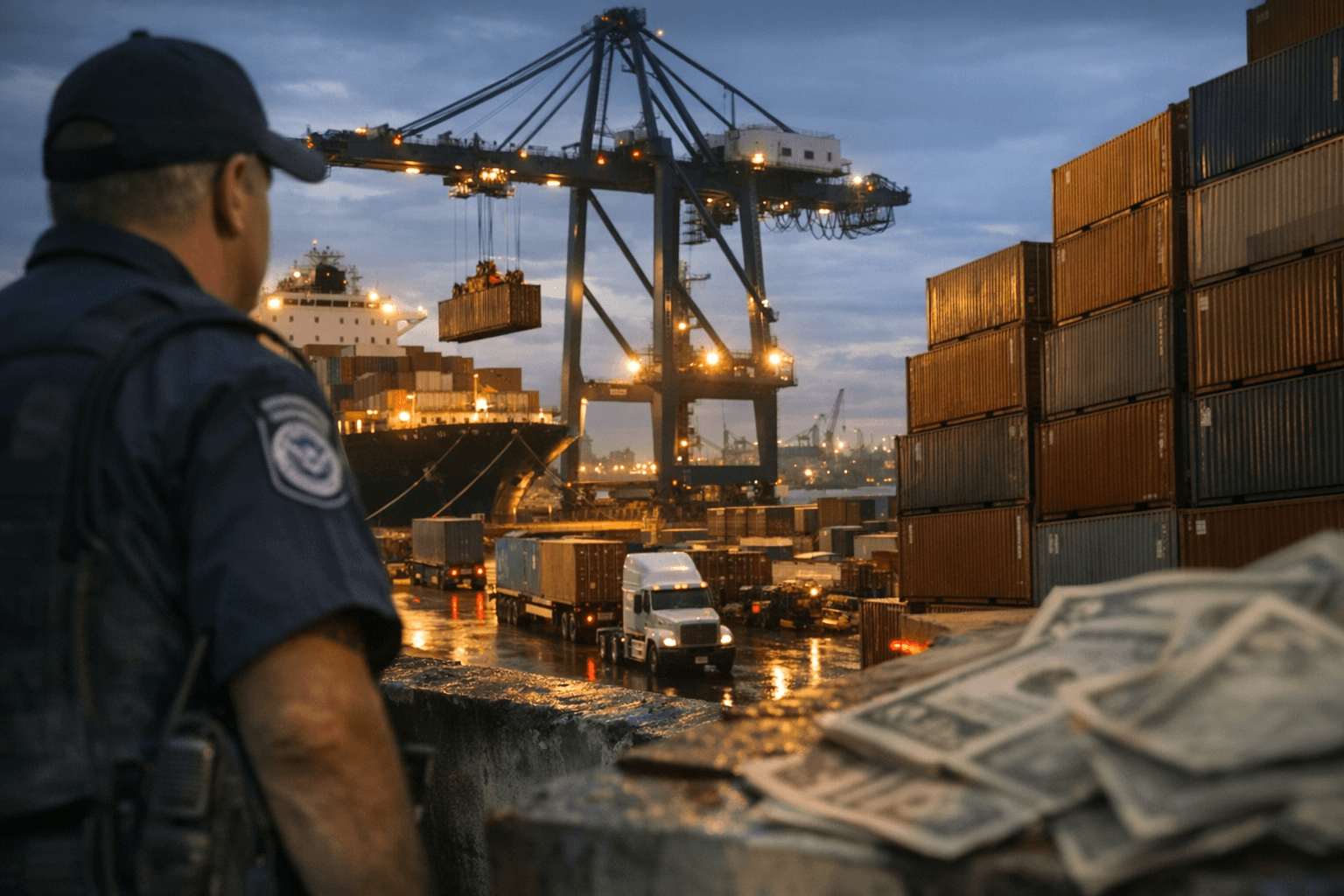
The operational stakes are large: trade data firms estimated roughly 211,000 containers valued at about $8.2 billion arrived in U.S. ports in the days after the decision, creating a backlog of entries that may be affected by system edits, substitute surcharges, and potential refund claims. Until CBP issues fuller guidance on de-activated tariff codes, claim procedures, and the interaction with new surcharge authorities, importers and brokers will contend with legal uncertainty, potential cash-flow shocks, and a likely wave of litigation in the Court of International Trade.
This article was produced by Prism’s automated news system from verified source data, official records, and press releases, then run through automated quality and moderation checks before publishing. The system is built and supervised by the people who set the standards it runs under. Read our full AI policy.
Did this article answer your question?

