Cuba Begins Freeing Prisoners Under Amnesty Amid Rights Groups' Scrutiny
Cuba freed prisoners Thursday under a 2,010-person amnesty — its largest in a decade — as Washington pressed an oil blockade and rights groups demanded political detainees be included.
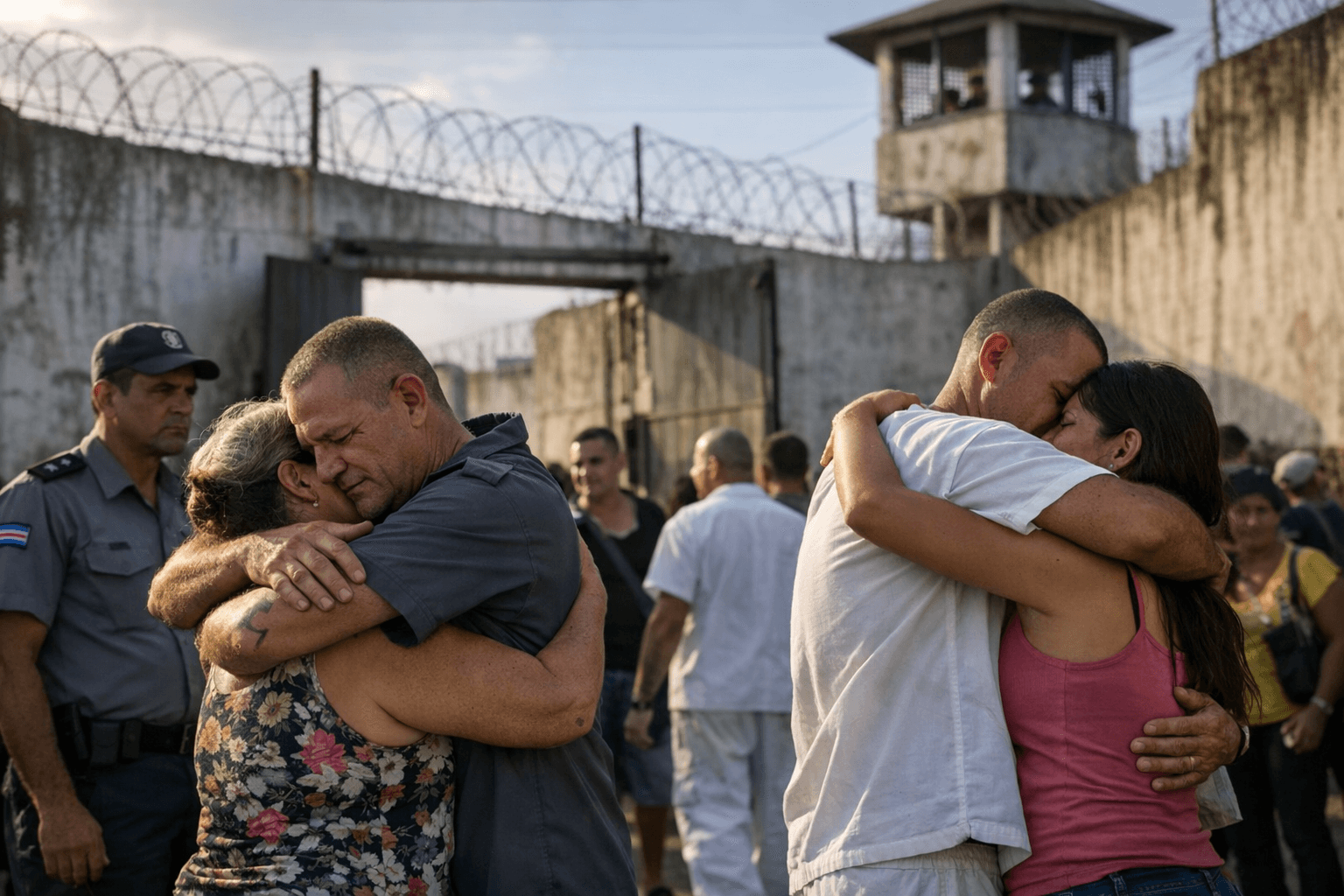
Inmates at La Lima penitentiary on the outskirts of Havana were woken at 6 a.m. Thursday and heard their names called. Hours later, they walked out through blue prison gates into the arms of waiting families, the first visible sign that Cuba's largest prisoner release in a decade had begun in earnest.
The Cuban government announced it would free 2,010 prisoners, describing the measure in state-run Granma newspaper as a "humanitarian and sovereign gesture" coinciding with Holy Week. The Cuban presidency framed it as the fifth pardon since 2011, bringing the cumulative total of freed prisoners to more than 11,000. But the government's own framing also revealed the limits of the release: the decision was driven, it said, by factors including good behavior, sentence completion, and health — criteria that do not map cleanly onto political detention cases.
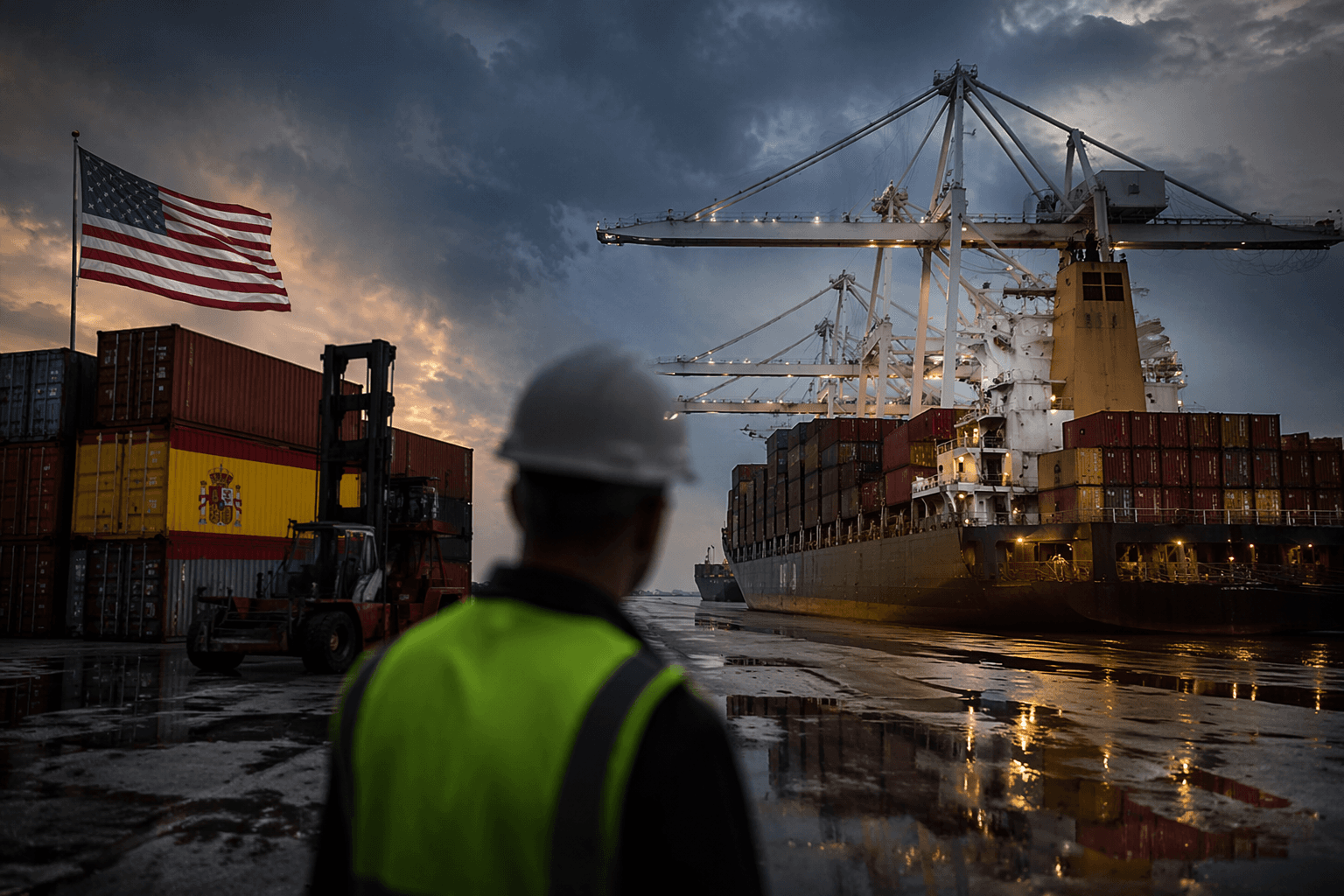
Washington's posture toward the announcement was pointed skepticism. "It is unclear how many, if any, political prisoners will be released," a Trump administration spokesperson said. "We continue to call for the immediate release of the hundreds of other brave Cuban patriots who remain unjustly detained." The statement tracked closely with the pressure context surrounding Thursday's amnesty: since January, the Trump administration has enforced a de facto oil blockade, first by severing Cuba's access to Venezuelan oil, then by threatening tariffs on trading partners. The resulting energy crisis has suspended flights, halted public transportation, and strained hospital services across the island.
The advocacy organization Prisoners Defended, which tracks political detentions, estimated as of February that Cuba holds 1,214 political prisoners, many of them protesters arrested during the sweeping 2021 mass demonstrations that drew the government's harshest crackdown in decades. Those detainees were typically charged with public disorder, contempt, or terrorism. The majority of prisoners interviewed by journalists at La Lima on Friday were not serving time on political charges, leaving the central human-rights question unresolved.
Thursday's amnesty was also not Havana's first concession this year. On March 12, Cuba freed 51 prisoners as a gesture of goodwill toward the Vatican, which has historically served as a mediator between Havana and Washington. The following day, President Miguel Diaz-Canel confirmed that U.S. and Cuban officials had entered direct talks, suggesting Thursday's larger release fits a pattern of carefully calibrated signals rather than a structural shift in how the government treats dissent.
Rights organizations welcomed the releases while demanding specifics Havana has historically refused to provide. Cuba generally does not publish lists of names of those freed, a practice that makes independent verification nearly impossible and blunts the diplomatic value of each amnesty. International monitors and Western governments will be watching not only how many walk free but whether those released face ongoing surveillance, travel restrictions, or re-arrest, the conditions that have shadowed previous Cuban pardons and defined the boundary between genuine reform and political stagecraft.
This article was produced by Prism’s automated news system from verified source data, official records, and press releases, then run through automated quality and moderation checks before publishing. The system is built and supervised by the people who set the standards it runs under. Read our full AI policy.
Did this article answer your question?