Iran’s supreme leader is isolated as nuclear talks near breakthrough
Mojtaba Khamenei is reportedly cut off in a secret location, and that isolation is slowing U.S.-Iran diplomacy even as both sides edge toward a deal.
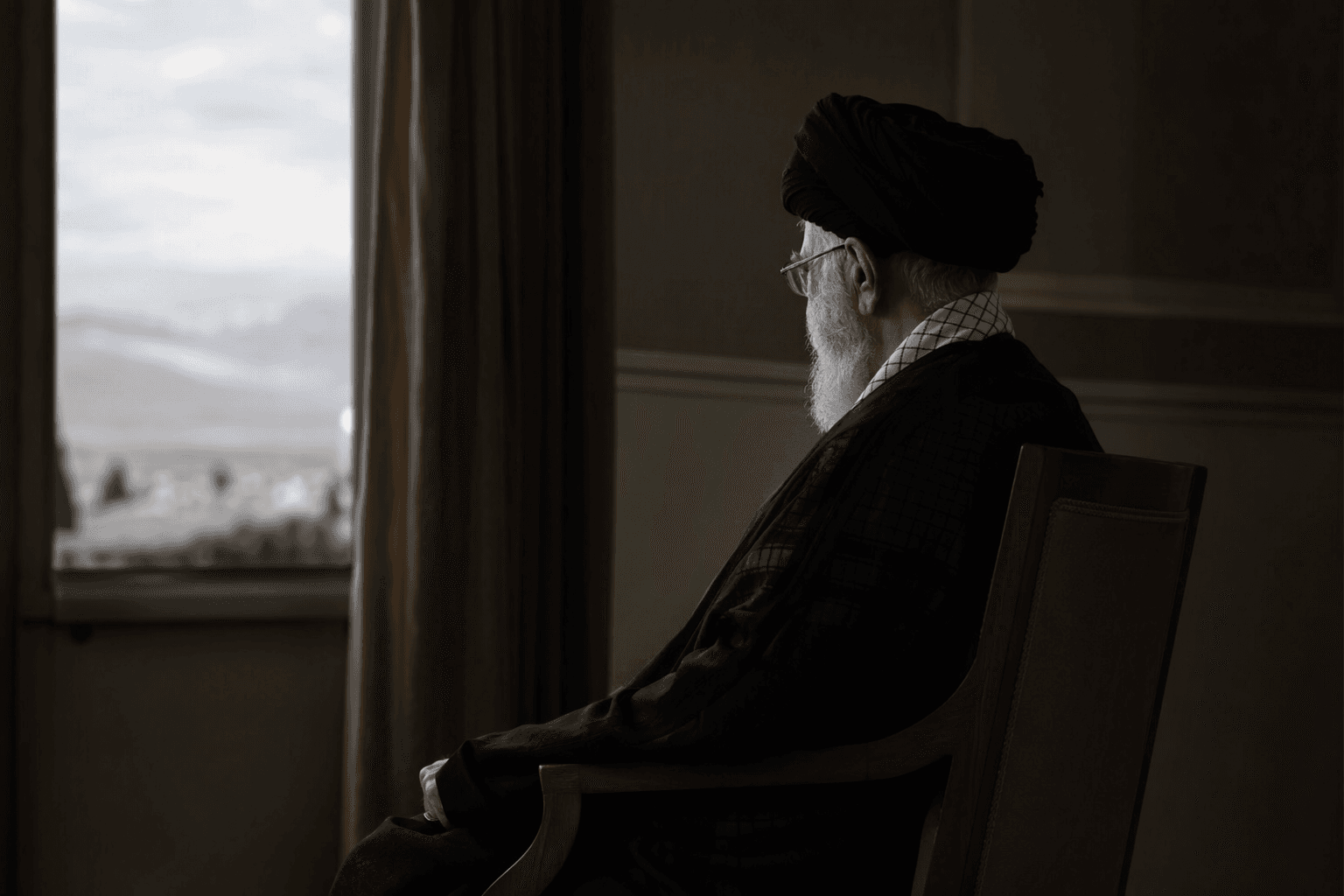
U.S. officials say Iran’s supreme leader, Mojtaba Khamenei, is hidden in an undisclosed location with so little access to the outside world that even top Iranian officials do not know where he is. Messages reach him only through couriers, a security setup that is protecting his location but also slowing the decisions needed to turn fragile nuclear talks into a binding agreement.
The secrecy has become more than a security measure. It is now shaping the pace of diplomacy between Washington and Tehran, where negotiators have made progress on a possible deal but are still working through final details. The practical problem is simple: when the people around Khamenei cannot reliably reach the ultimate decision-maker, apparent breakthroughs can still stall.
The talks are unfolding against the backdrop of a wider war that began after the killing of Iran’s previous supreme leader, Ayatollah Ali Khamenei, in U.S.-Israeli strikes in early March 2026. Mojtaba Khamenei was named Iran’s new supreme leader in March, and reports have repeatedly described his long-standing ties to the Islamic Revolutionary Guard Corps and the clerical establishment as central to his authority. That same network now appears to be reinforcing a bunker-like style of rule, with Iran’s wartime leadership increasingly sealed off from view.
On May 25, 2026, Iran said it had reached understandings with the United States on many issues, but stressed that an agreement was not imminent. The Trump administration, by contrast, signaled that a deal could be near, while making clear that final approval would still be required from both governments’ leadership. That gap in tone reflects the central obstacle in the talks: understanding is not the same as authorization.
Pakistan has emerged as an important mediator in the process, including through Army chief Asim Munir. A senior Pakistani government official confirmed that Islamabad has intensified diplomatic efforts to bring Tehran and Washington back to the negotiating table. The involvement of Pakistan underscores how many outside actors are now trying to bridge a negotiation that remains vulnerable to the same problem that defines Iran’s leadership at home: power is concentrated, but access to power is tightly controlled.
Know something we missed? Have a correction or additional information?
Submit a Tip