Cuba Denies U.S. Security Threat Allegations, Offers Constructive, Respectful Dialogue
Cuba rejected U.S. claims that it is a security threat and said it will engage in respectful, result-oriented dialogue while protecting sovereignty.
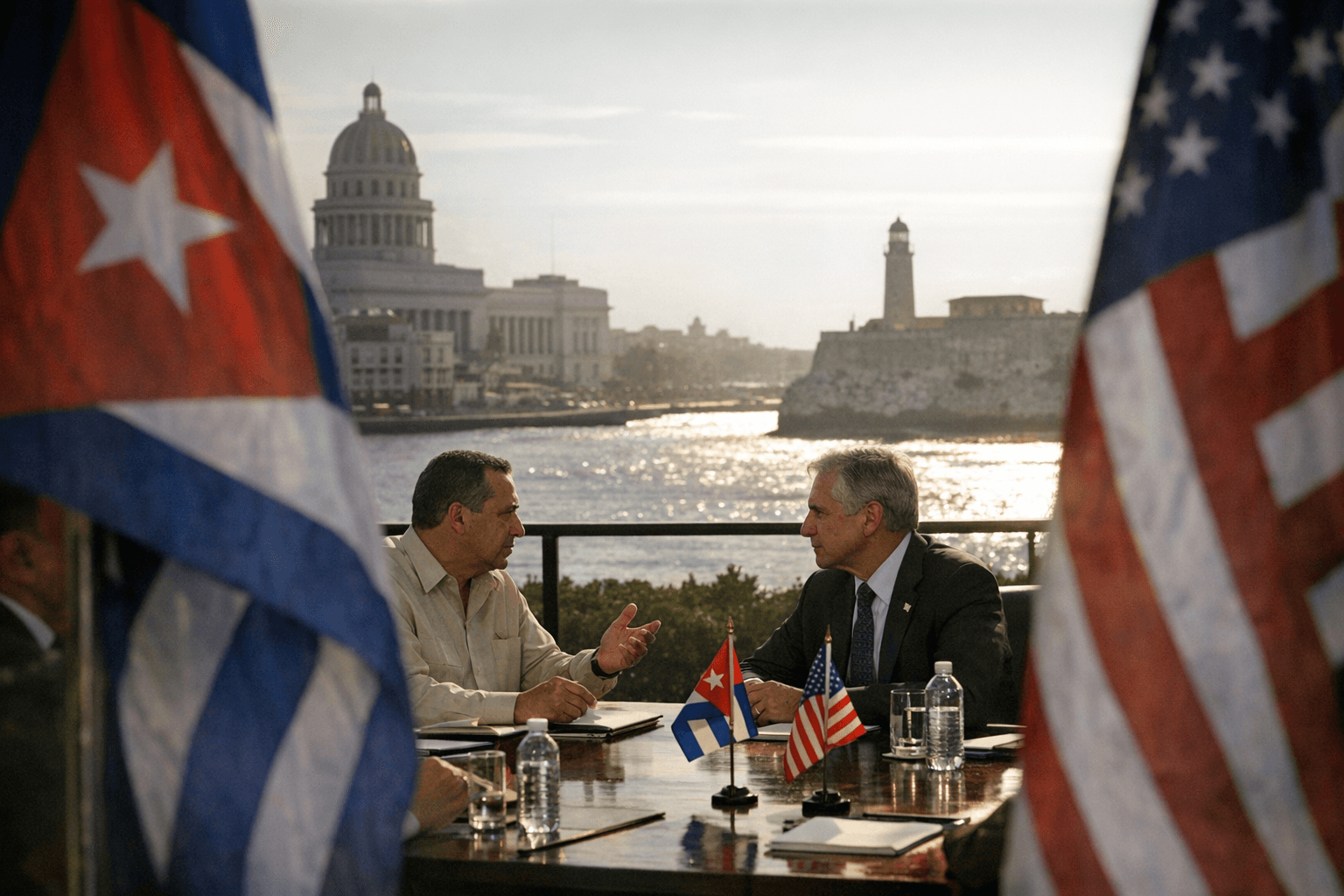
Cuba’s Ministry of Foreign Affairs publicly rejected U.S. accusations that Havana poses a security threat and said the island is willing to pursue constructive, respectful dialogue aimed at tangible results. The statement came after a White House memorandum described Cuba as an “unusual and extraordinary threat” and following public remarks by President Donald Trump that diplomatic contact with Cuba had been revived.
The Cuban ministry said, “The Cuban people and the American people benefit from constructive engagement, lawful cooperation, and peaceful coexistence,” and reiterated that “Cuba categorically declares that it does not harbor, support, finance, or permit terrorist or extremist organizations.” Havana added it was prepared to “reactivate and expand bilateral cooperation with the United States to address shared transnational threats, without ever relinquishing its sovereignty and independence.”
Deputy Foreign Minister Carlos Fernández de Cossío framed the outreach as cautious and conditional. “We are open to dialogue,” Cossío said, adding, “We’re not talking specifically about negotiation yet,” and that “If we can have a dialogue, maybe that can lead to negotiation.” Cossío emphasized Cuba’s bottom lines, noting the country’s constitution, economy, and socialist system are off-limits. “Cuba is a peaceful country,” he said, and added, “We only wish to relate with the United States in the way we relate with the rest of the world. The United States is the exception today.”
The U.S. response has been public and pointed. President Donald Trump told reporters he and his administration were “talking to the ‘highest people’ in the Cuban government” and said he intended to “make a deal with Cuba.” The White House has also threatened tariffs on countries supplying oil to Cuba. The U.S. Bureau of Western Hemisphere Affairs demanded that Cuba “stop its repressive acts of sending individuals to interfere with the diplomatic work” and warned, “Our diplomats will continue to meet with the Cuban people despite the regime’s failed intimidation tactics.”
Regional developments are sharpening the stakes. Reporting ties current tensions to the January capture of Venezuelan leader Nicolás Maduro and subsequent cuts in Venezuelan crude shipments to Cuba, which have worsened fuel shortages and strained the island’s power plants. A Cuban student, Jorge Grosso, said he spent nearly 24 hours in line for petrol and backed talks “to see what conditions are imposed (by Trump) because in the end they're strangling us.” Reports also describe prolonged outages in rural areas and mounting pressure on basic services.
For Cubans, the immediate consequence is practical: offers of security cooperation could ease some operational blocks, but Havana’s red lines mean political and economic demands are unlikely to be resolved in short order. Expect more communications labeled “informal” before any formal negotiation, continued public sparring over diplomatic harassment claims, and persistent fuel and power disruptions until the energy picture changes. Monitor official ministry statements and embassy notices for developments that directly affect daily life and services.
Know something we missed? Have a correction or additional information?
Submit a Tip