Cuba faces critical power cuts as fuel blockade deepens
Cuba’s fuel collapse left Havana without power for up to 22 hours a day, while hospitals, water trucking and food transport were dragged deeper into crisis.
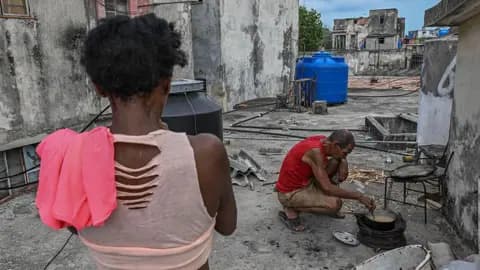
Cuba’s energy minister said the island had "absolutely no fuel (oil), and absolutely no diesel," as the country’s power system slid into what officials described as a critical state and Havana neighborhoods endured 20 to 22 hours without electricity a day. The shortages have pushed the capital into its worst rolling blackouts in decades and turned a fuel dispute into a broader civilian emergency that is now reaching homes, hospitals and basic services.
Vicente de la O Levy said the grid was running only on domestic crude oil, natural gas and renewable energy, while Cuba’s 1,300 megawatts of solar capacity added over the past two years has not been enough to steady the system. Much of that new solar output is being lost because the grid itself is unstable, leaving the island unable to turn installed capacity into reliable power. He said Cuba remained open to fuel sales from any country willing to supply it.

The pressure from Washington has clearly tightened the squeeze. The United Nations said the U.S. fuel blockade, now in its fourth month, became more severe after Washington moved at the end of January to block oil supplies entering Cuba. The U.N. called the measure unlawful and said it undermined rights to food, education, health, water and sanitation. It also said the island suffered three national grid disconnections last month, plunging the country into darkness for days.
But Cuba’s own structural weaknesses have made the crisis far more dangerous. Years of dependence on imported fuel, a fragile transmission network and limited reserves have left the system unable to absorb even temporary disruptions. The U.N. said more than 96,000 surgeries were pending nationwide, including 11,000 for children, while about one million people depended on water trucking that has been constrained by the diesel shortage. The shortages have also threatened food transport and the delivery of other essentials that rely on fuel to move through the island.
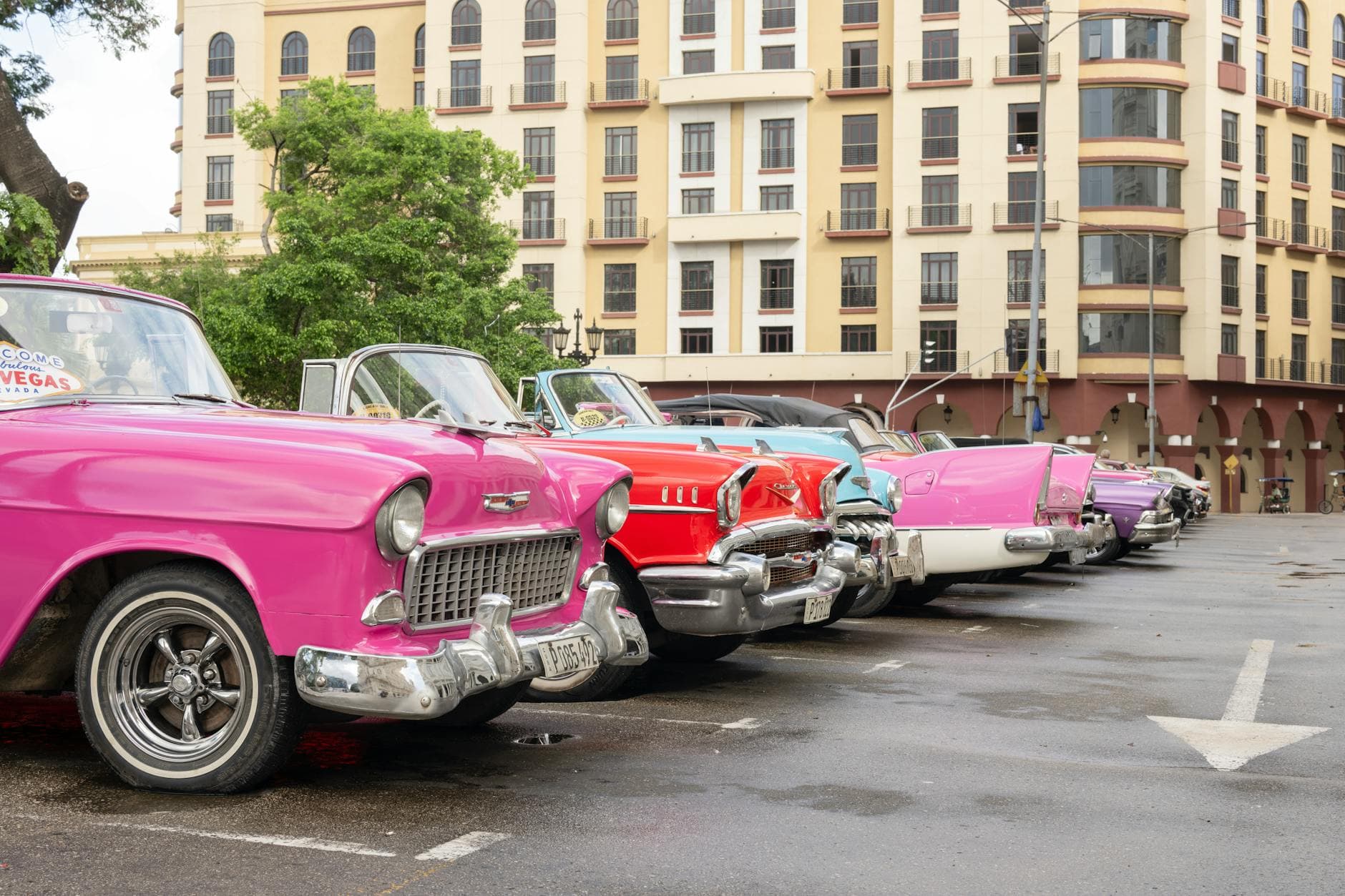
Residents have responded with nighttime pot-banging protests over the longer blackouts, and many say they struggle to charge phones, power electric mopeds or complete basic household tasks during the brief windows when electricity returns. Officials said a Russian oil donation sent in late March was exhausted in early May, and Reuters reported that neither Mexico nor Venezuela had sent fuel since January, while only one large Russian-flagged tanker had delivered crude since December.
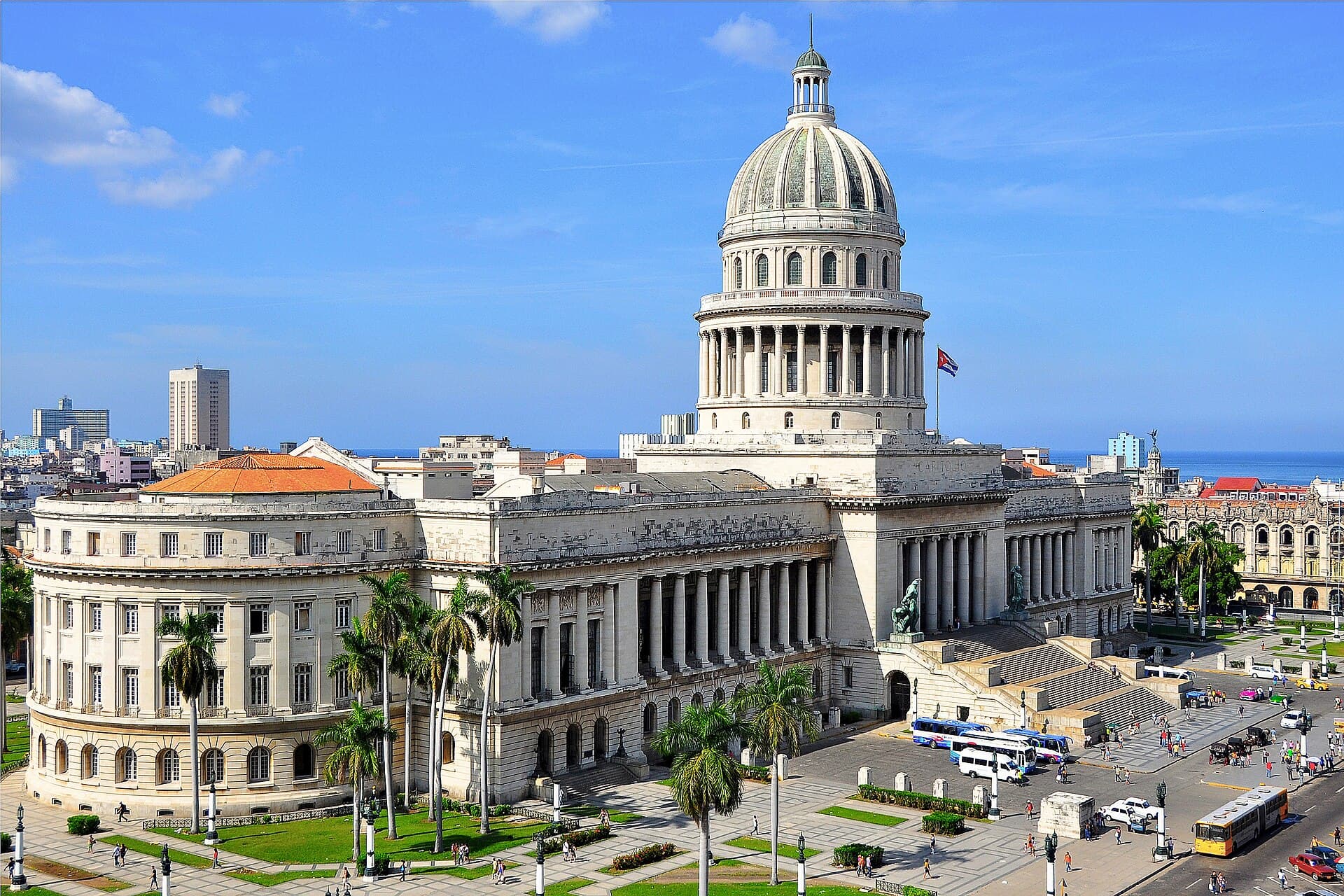
As summer heat drives demand higher, Cuba’s government is trying to hold together an energy system running out of fuel, spare capacity and time.
This article was produced by Prism’s automated news system from verified source data, official records, and press releases, then run through automated quality and moderation checks before publishing. The system is built and supervised by the people who set the standards it runs under. Read our full AI policy.
Did this article answer your question?